The Pentateuch: Foundations of Faith and Law
From the All 66 books of the bible curriculum
The Pentateuch: Foundations of Faith and Law
TL;DR
The Pentateuch, the first five books of the Bible, lays the groundwork for all of God's interaction with humanity, establishing core beliefs about creation, sin, and redemption. It introduces the foundational covenant between God and Israel, outlining the laws and promises that shaped their identity and future. Understanding these books is crucial for grasping the rest of biblical history and God's overarching plan.
1. The Mental Model
Think of the Pentateuch as the constitution and origin story for God's chosen people, Israel. It explains how everything began, why things are the way they are, and sets the fundamental rules for living in relationship with God. It's the essential backstory you need for the rest of the Bible to make sense.
2. The Core Material
The Pentateuch, also known as the Torah (meaning "instruction" or "law"), comprises Genesis, Exodus, Leviticus, Numbers, and Deuteronomy. These books, traditionally attributed to Moses, narrate events from creation to the eve of Israel's entry into the Promised Land.
Genesis: Beginnings and Promises
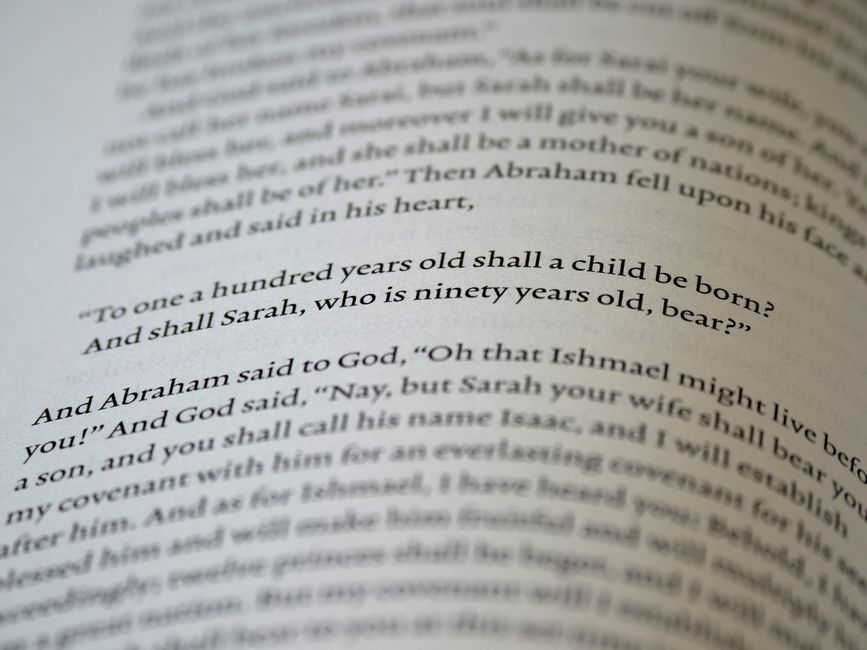
Photo by Brett Jordan on Pexels
Genesis covers the creation of the world, the fall of humanity into sin, the great flood, and the calling of Abraham. It introduces key themes like covenant, blessing, and the promise of a chosen people through whom all nations would be blessed. You'll see how humanity continually messes up, but God consistently works to bring about His purposes, always initiating redemption.
Exodus: Deliverance and Covenant
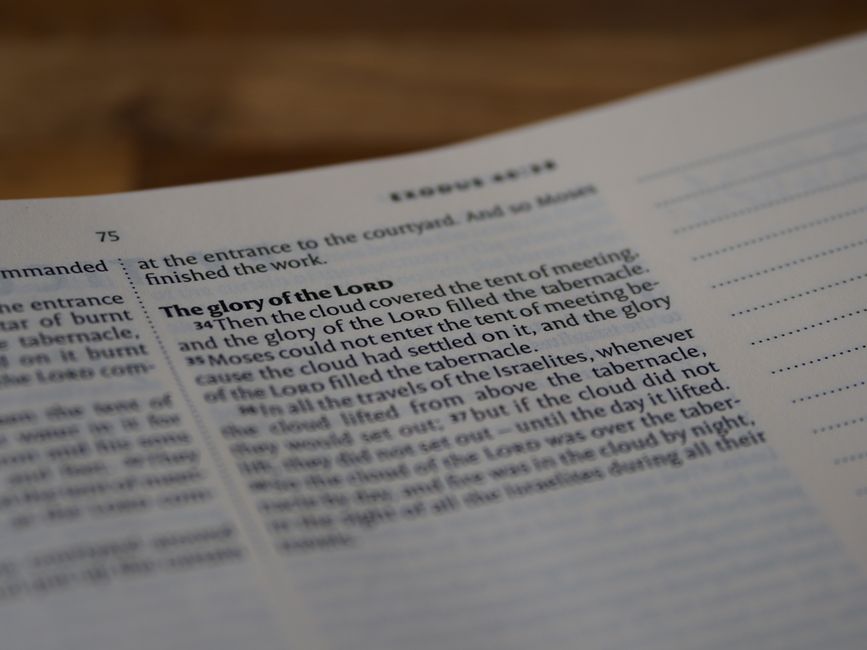
Photo by Brett Jordan on Pexels
Exodus picks up with the Israelites enslaved in Egypt, their miraculous deliverance by God through Moses, and their journey to Mount Sinai. Here, God gives Moses the Ten Commandments and detailed instructions for building the Tabernacle, a portable sanctuary for His presence. This book is central to understanding God as a deliverer and a covenant-making God.
Leviticus: Holiness and Worship

Photo by Brett Jordan on Pexels
Leviticus focuses heavily on the laws concerning worship, sacrifices, and daily living for a holy people in covenant with a holy God. It outlines various offerings, festivals, and ethical guidelines, all designed to teach Israel how to approach God and live distinctly from the surrounding nations. While many laws are ceremonial, the underlying principle of God's holiness and humanity's need for atonement is timeless.
Numbers: Wilderness Wanderings and Rebellion

Photo by fb_stitch on Pexels
Numbers chronicles the Israelites' 40-year journey through the wilderness after Sinai. It highlights their repeated disobedience, murmuring, and rebellion against God and Moses, leading to a generation being denied entry into the Promised Land. Despite their failures, God remains faithful to His covenant promises, demonstrating His patience and discipline.
Deuteronomy: Review and Renewal
Deuteronomy serves as Moses' farewell address to the second generation of Israelites before they enter Canaan. It's a powerful retelling and re-emphasis of the Law, reminding them of God's faithfulness and their responsibilities under the covenant. Moses urges them to remember, obey, and love God, setting out the consequences of obedience and disobedience. This book acts as a bridge, looking back at the past and forward to their future in the land.
Here’s a simplified flow of the key events and themes across the Pentateuch:
graph TD
    A["Genesis: Creation, Fall, Abrahamic Covenant"] --> B["Exodus: Egyptian Bondage, Deliverance, Sinai Covenant (Law)"]
    B --> C["Leviticus: Laws for Holy Living & Worship (Tabernacle)"]
    C --> D["Numbers: Wilderness Wandering, Rebellion, Discipline"]
    D --> E["Deuteronomy: Review of Law, Call to Obedience, Preparation for Land"]
3. Worked Example
Let's look at the theme of covenant as it develops from Genesis to Deuteronomy.
In Genesis, God makes an unconditional covenant with Abraham (Genesis 12:1-3, 15:1-21). He promises Abraham land, many descendants, and that through him, all peoples on earth will be blessed. This covenant is based solely on God's initiative and faithfulness. For example, in Genesis 15, God walks between the divided animals in a ritual that signified a curse on the party who broke the covenant – but Abraham is asleep, showing God takes the full responsibility.
By Exodus and Leviticus, at Mount Sinai, God establishes a conditional covenant with the nation of Israel (Exodus 19-24). This Mosaic Covenant is based on their obedience to His laws. "Now if you obey me fully and keep my covenant, then out of all nations you will be my treasured possession" (Exodus 19:5). The laws in Leviticus then detail what this obedience looks like in terms of worship and daily life.
In Numbers, we see the consequences of breaking this covenant. The generation that exited Egypt fails to trust and obey God (e.g., Kadesh Barnea in Numbers 13-14), leading to their prolonged wilderness wandering and death before entering the Promised Land.
Finally, in Deuteronomy, Moses reviews both covenants. He reminds the new generation of God's unconditional promises to Abraham and powerfully reiterates the conditions of the Mosaic Covenant, urging them to choose life by obeying God: "This day I call the heavens and the earth as witnesses against you that I have set before you life and death, blessings and curses. Now choose life, so that you and your children may live" (Deuteronomy 30:19). This shows a clear progression from God's initial promise to the specific requirements for His people to live in relationship with Him.
4. Key Takeaways
- The Pentateuch establishes God as the sovereign Creator and sustainer of all things.
- It details the origin of sin and its destructive impact on humanity and creation.
- God initiates salvation through covenants, starting with Abraham, demonstrating His faithfulness.
- The Law (Torah) reveals God's holy character and provides guidance for living in relationship with Him.
- The books illustrate humanity's recurring struggle with obedience and God's consistent patience and justice.
- They lay the prophetic groundwork for a coming Messiah who would fulfill the promises and ultimate redemption.
- Understanding these foundations is essential for interpreting the rest of the Bible accurately.
Common mistakes to avoid:
- Don't read the Old Testament laws as merely arbitrary rules; see them as revealing God's character and principles.
- Don't skip over sections like Leviticus as irrelevant; look for the enduring theological truths about holiness and atonement.
- Don't view the stories of Israel's failures as just historical accounts; recognize them as warnings and lessons about human nature and faith.
- Don't forget that the Pentateuch points forward to Jesus Christ, who fulfills the Law and the promises.
5. Now Try It
Spend 15 minutes reading Genesis 12 and Exodus 19-20. As you read, identify: 1) What God promises to Abraham, and 2) What God requires of Israel at Sinai. Think about the differences in the nature of these two interactions. Success looks like you being able to articulate the core promise of the Abrahamic covenant and the core requirement of the Mosaic covenant, noting how one is largely unconditional and the other is clearly conditional.
Frequently asked about The Pentateuch: Foundations of Faith and Law
Get the full All 66 books of the bible curriculum
Clone the complete plan to your dashboard for unlimited AI-generated notes, practice quizzes, and a personalised revision schedule.
Create Free Account