Introduction to TV Production Concepts and Formats
From the Tv production curriculum
Introduction to TV Production Concepts and Formats
TL;DR
TV production involves a structured process, from idea to screen, using specific roles and stages. Different TV formats, like dramas or news, each have their own unique production demands and audience expectations. Understanding these foundational concepts is crucial for creating effective and engaging television content.
1. The Mental Model
Think of TV production like building a house. You start with an idea (the blueprint), then gather your crew and materials (pre-production), build it (production), and finally finish and decorate it (post-production).
2. The Core Material
TV production isn't just pointing a camera; it's a complex, collaborative effort that brings stories and information to life on screen. It breaks down into three main phases: pre-production, production, and post-production.
Pre-Production: The Planning Stage

Photo by RDNE Stock project on Pexels
This is where everything gets planned out. You'll define your concept (what's the show about?), write a script, create a budget, hire crew, find locations, cast actors, and schedule everything. Essentially, you're preparing all the ingredients before you start cooking.
Production: The Filming Stage
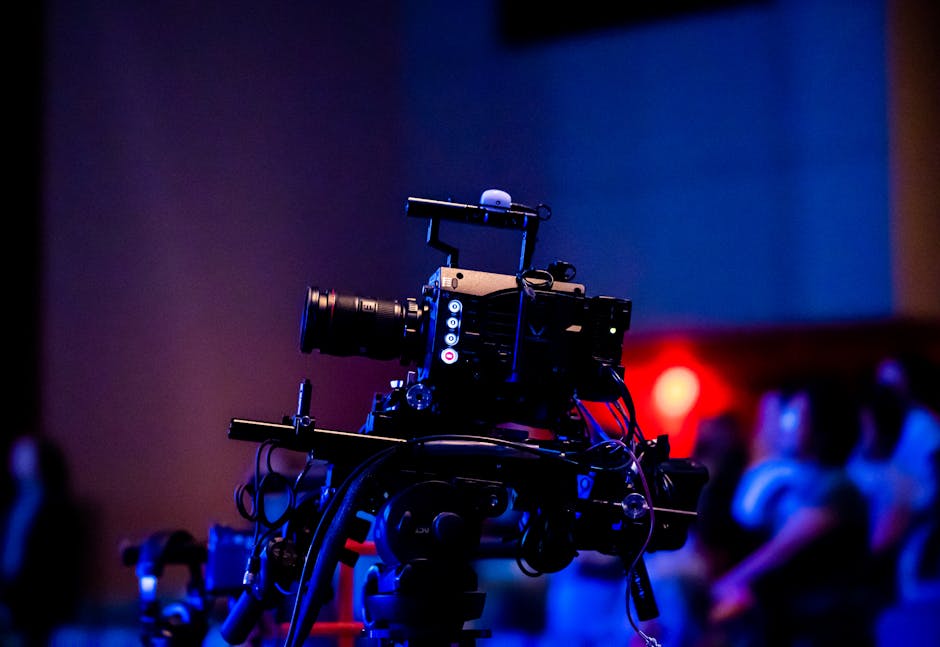
Photo by Caleb Oquendo on Pexels
This is the actual "shooting" phase. You'll be on set, recording video and audio according to your script and plans. This involves camera operators, sound engineers, directors guiding performances, and lighting technicians shaping the visual mood. It's often the most exciting but also the most demanding part.
Post-Production: The Finishing Stage
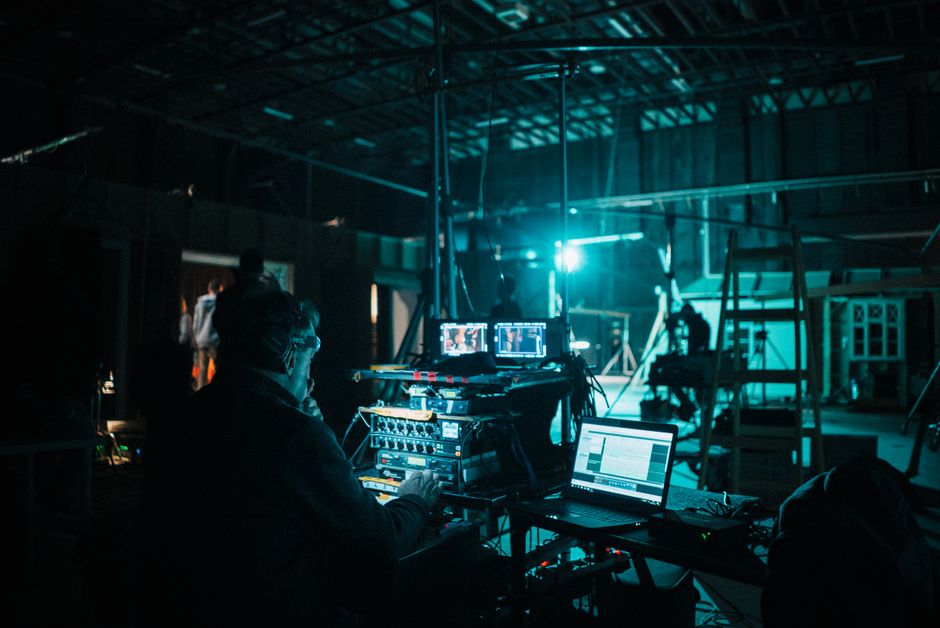
Photo by Bence Szemerey on Pexels
Once filming is done, you move into post. This is where the raw footage is edited together, sound is mixed (music, effects, dialogue), visual effects are added, and color correction is done to ensure a consistent look. The goal is to polish the raw material into a cohesive, finished product ready for broadcast.
TV Formats: Different Shapes for Different Stories
Photo by Anete Lusina on Pexels
Just like there are different types of books, there are different TV formats, each with its own characteristics and production needs.
- Drama: Fictional stories, often with ongoing plots and character development (e.g., The Crown, Stranger Things). Requires detailed scripts, set design, and acting.
- Comedy: Aims to entertain through humor (e.g., Friends, The Office). Can be sitcoms (situational comedy) or sketch comedy.
- News/Current Affairs: Reports on real-world events and issues (e.g., BBC News, 60 Minutes). Demands factual accuracy, fast turnaround, and often live broadcasting capabilities.
- Documentary: Non-fictional storytelling about real subjects, people, or events (e.g., Planet Earth, Making a Murderer). Involves research, interviews, and often archival footage.
- Reality TV: Unscripted or partially scripted content featuring real people in unordinary situations (e.g., Survivor, The Bachelor). Often relies on conflict and dramatic situations.
- Talk Show: Features hosts interviewing guests, discussing topics, or performing sketches (e.g., The Tonight Show, The Ellen DeGeneres Show). Heavily relies on host personality and guest bookings.
- Game Show: Contestants compete for prizes by answering questions or completing challenges (e.g., Jeopardy!, Family Feud). Requires clear rules, a host, and prize coordination.
Here's how these phases generally flow:
graph TD
    A["Idea/Concept Development"] --> B["Scripting & Storyboarding"]
    B --> C["Budgeting & Scheduling"]
    C --> D["Crew & Cast Hiring"]
    D --> E["Location Scouting & Permissions"]
    E --> F["Pre-Production Complete"]
    F --> G["Shooting (Production)"]
    G --> H["Editing (Post-Production)"]
    H --> I["Sound Design & Mix"]
    I --> J["Visual Effects & Color Grading"]
    J --> K["Final Review & Delivery"]
    K --> L["Broadcast/Distribution"]
3. Worked Example
Let's imagine you want to create a short, educational documentary about local urban farming.
- Pre-Production:
- Concept: Explore the benefits and challenges of growing food in city environments.
- Script: Outline interview questions, potential narrative voice-overs, and shot list ideas.
- Budget: Estimate costs for camera rental, sound gear, travel, and editing software.
- Crew: You'll be the director/camera operator, and you'll need one sound person.
- Locations: Research and contact three local urban farms for permission to film.
- Schedule: Plan three days for shooting, two weeks for editing.
- Production:
- You and your sound person visit the farms.
- You conduct interviews with farmers, recording both video and clear audio.
- You capture B-roll footage (supplementary shots) of plants, harvesting, and farm activities.
- Post-Production:
- Edit: You import all footage and audio. You select the best interview takes and arrange them, then layer in your B-roll to illustrate what's being said.
- Sound: You adjust audio levels for interviews, add subtle background music, and clean up any unwanted noise.
- Color: You make sure all the shots look consistent and vibrant.
- Graphics: Add simple titles for interviewees and a concluding credit screen.
- Final Review: Watch the entire documentary, check for any errors, and make final tweaks.
This process transforms your initial idea into a polished, watchable documentary.
4. Key Takeaways
- TV production is split into three main stages: pre-production (planning), production (filming), and post-production (editing and finishing).
- Each stage has distinct tasks and requires collaboration from different specialists.
- Pre-production is the most critical phase for saving time and money later on.
- TV formats like drama, news, or documentary dictate different production approaches and audience expectations.
- Understanding the flow from concept to broadcast helps you manage a project effectively.
- Effective communication among the team is vital at every step.
- Even small projects benefit from structured planning.
Common Mistakes to Avoid:
- Skipping pre-production: This inevitably leads to chaos and costly reshoots during production.
- Underestimating budget/time: Always build in buffer room for unforeseen issues.
- Ignoring sound: Poor audio can ruin even the best visuals; prioritize good sound recording.
- Lack of clear vision: Without a strong concept, your project will lack direction and purpose.
5. Now Try It
Think about your favorite TV show. Identify its primary format (e.g., drama, reality, news). Then, briefly outline what you imagine its pre-production, production, and post-production stages would involve. Focus on one specific episode or segment. What kind of crew roles would be crucial? What unique challenges might that format present during filming or editing?
Success looks like: You've clearly identified the format and provided 2-3 specific examples of activities for each production stage relevant to that show and format.
Frequently asked about Introduction to TV Production Concepts and Formats
Get the full Tv production curriculum
Clone the complete plan to your dashboard for unlimited AI-generated notes, practice quizzes, and a personalised revision schedule.
Create Free Account