Factors Affecting Population Size
From the cs curriculum
Factors Affecting Population Size
TL;DR
Population size changes based on births, deaths, immigration, and emigration. These four factors directly influence whether a population grows, shrinks, or stays stable. Understanding them helps predict and manage how populations behave.
1. The Mental Model
Think of a population like a bank account. Money comes in (births, immigration) and money goes out (deaths, emigration). The balance, your population size, changes based on these transactions.
2. The Core Material
A population's size is dynamic, constantly changing due to a few key processes. We can model this with a simple idea:
Current Population Size + (Births + Immigration) - (Deaths + Emigration) = New Population Size
Let's break down each factor:
Births (Natality)
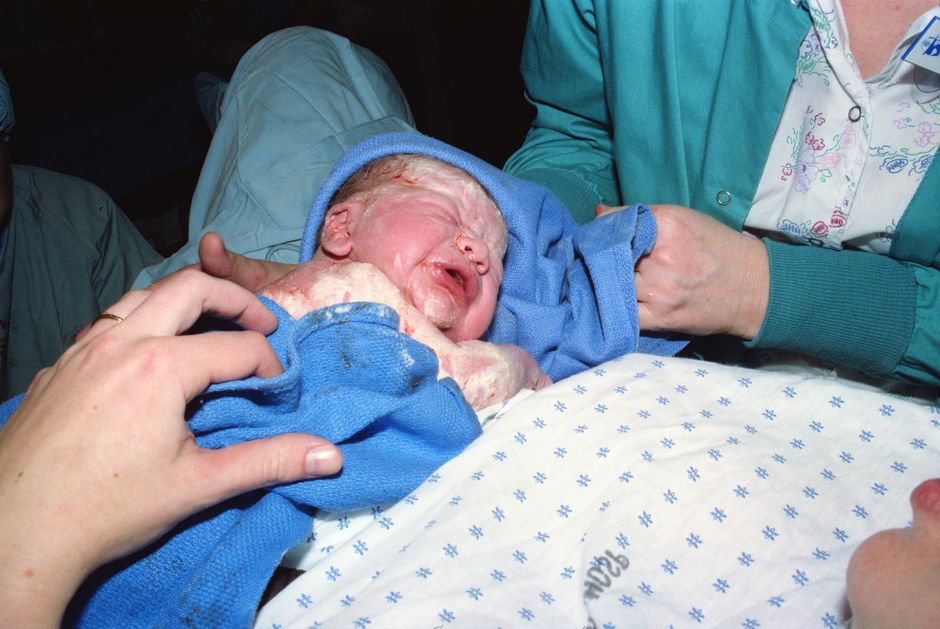
Photo by Tom Fisk on Pexels
This is the number of new individuals added to the population through reproduction. A high birth rate means more new individuals are joining, leading to population growth. Factors like fertility rates, age structure (how many reproductive-aged individuals there are), and environmental conditions (like food availability) heavily influence birth rates.
Deaths (Mortality)

Photo by Serena Koi on Pexels
This is the number of individuals leaving the population due to death. A high death rate causes the population to shrink. Factors like disease, predation, famine, natural disasters, and competition can increase death rates.
Immigration
This refers to individuals moving into a population from another area. It adds new members and contributes to population growth. Immigration is often driven by better resources, less competition, or safer environments in the new location.
Emigration
This refers to individuals moving out of a population to another area. It removes members and causes the population to shrink. Emigration can be triggered by resource scarcity, overcrowding, increased predation, or harsh environmental conditions.
Here's how these factors interact:
graph LR
    subgraph Population Size Change
        Births["Births (+)"] --> "Population Size"
        Immigration["Immigration (+)"] --> "Population Size"
        Deaths["Deaths (-)"] --> "Population Size"
        Emigration["Emigration (-)"] --> "Population Size"
    end
Growth Rate

Photo by Jakub Zerdzicki on Pexels
The overall change in population size over a specific period is called the growth rate.
Growth Rate = (Births + Immigration) - (Deaths + Emigration)
If the growth rate is positive, the population is growing. If it's negative, the population is shrinking. If it's zero, the population is stable.
3. Worked Example
Imagine a small island with a population of 100 wild rabbits at the start of the year.
Over the year:
* Births: 30 new kits are born.
* Deaths: 10 rabbits die from illness or predation.
* Immigration: 5 rabbits swim over from a nearby island.
* Emigration: 2 rabbits leave to explore another island.
Let's calculate the population change:
Change = (Births + Immigration) - (Deaths + Emigration)
Change = (30 + 5) - (10 + 2)
Change = 35 - 12
Change = 23
The population increased by 23 rabbits.
So, the new population size is 100 (initial) + 23 (change) = 123 rabbits.
4. Key Takeaways
- Population size is determined by four primary factors: births, deaths, immigration, and emigration.
- Births and immigration add individuals, leading to population growth.
- Deaths and emigration remove individuals, leading to population decline.
- The balance between these four factors dictates whether a population grows, shrinks, or remains stable.
- Environmental conditions and resource availability significantly influence birth and death rates.
- Migration (immigration and emigration) can have a rapid and substantial impact on local population sizes.
Common Mistakes to Avoid:
- Forgetting to include immigration or emigration when calculating population change, especially in open systems.
- Only considering "births" and "deaths" without thinking about movement in and out.
- Confusing factors that affect birth/death rates (like food scarcity) with the rates themselves.
- Assuming a stable population means no births or deaths; it just means they balance out.
5. Now Try It
You're tracking a colony of ants. At the start of the week, there are 500 ants. Over the week, 100 new ants hatch, 20 ants die from a spider attack, 50 ants join from a neighboring colony, and 30 ants leave to start their own colony. Calculate the ant colony's population at the end of the week. What does a positive or negative result for the change in population size signify?
Frequently asked about Factors Affecting Population Size
More from cs
Get the full cs curriculum
Clone the complete plan to your dashboard for unlimited AI-generated notes, practice quizzes, and a personalised revision schedule.
Create Free Account