Location Nouns: City, Country, Beach
From the german curriculum
Location Nouns: City, Country, Beach
TL;DR
In German, the articles and prepositions you use for "city," "country," and "beach" change based on whether you're in or going to the location. Most places use "in" or "nach" with specific articles or no article, while "beach" has its own set of rules. Getting these right is key to sounding natural when talking about locations.
1. The Mental Model
Think of German location nouns as having "location personalities." Some places are introverts (always use in), some are extroverts (use nach), and some are a bit quirky (like the beach, which needs special attention).
2. The Core Material
When talking about cities, countries, and the beach in German, the words you use for "in" or "to" (prepositions) and the articles (like "the") often change. It's not just about what makes sense in English; German has specific patterns.
Cities (die Stadt)

Photo by Zois Fotis on Pexels
Cities are pretty straightforward.
- To a city (going there): Use nach (no article).
- Ich fahre nach Berlin. (I'm driving to Berlin.)
- Wir fliegen nach München. (We're flying to Munich.)
- In a city (already there): Use in + Dative (no article, since
Stadtisn't used for a specific city name).- Ich bin in Berlin. (I'm in Berlin.)
- Sie leben in Hamburg. (They live in Hamburg.)
Countries (das Land)

Photo by Nothing Ahead on Pexels
Countries are a bit trickier because some have articles (like "the USA") and some don't (like "Germany").
-
Countries without articles (most common, e.g., Deutschland, Frankreich):
- To a country: Use nach (no article).
- Ich reise nach Deutschland. (I'm traveling to Germany.)
- Sie fährt nach Frankreich. (She's driving to France.)
- In a country: Use in (no article).
- Ich bin in Deutschland. (I'm in Germany.)
- Er arbeitet in Spanien. (He works in Spain.)
- To a country: Use nach (no article).
-
Countries with articles (e.g., die Schweiz, die USA, die Türkei): These are feminine (die), masculine (der), or plural (die).
- To a country: Use in + Accusative article.
- Ich fliege in die Schweiz. (I'm flying to Switzerland.)
- Wir fahren in die USA. (We're driving to the USA.)
- Er reist in den Irak. (He's traveling to Iraq.)
- In a country: Use in + Dative article.
- Ich bin in der Schweiz. (I'm in Switzerland.)
- Sie leben in den USA. (They live in the USA.)
- Er arbeitet im Irak. (He works in Iraq. Note:
imis a contraction ofin dem.)
- To a country: Use in + Accusative article.
Beach (der Strand)
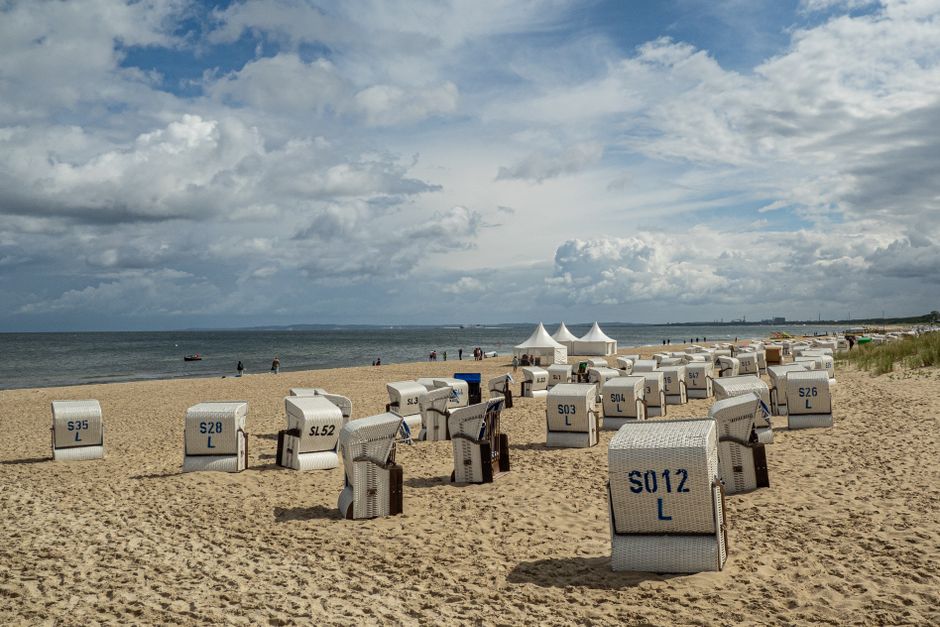
Photo by Damian on Pexels
The beach has its own special rules. Strand is masculine (der Strand).
- To the beach (going there): Use an + Accusative article.
- Ich gehe an den Strand. (I'm going to the beach.)
- At the beach (already there): Use an + Dative article.
- Ich bin am Strand. (I'm at the beach. Note:
amis a contraction ofan dem.)
- Ich bin am Strand. (I'm at the beach. Note:
Summary Flow
Photo by Wolfgang Weiser on Pexels
graph TD
    Start("Where are you talking about?") --> |Is it a city?| CityChoice
    Start --> |Is it a country?| CountryChoice
    Start --> |Is it the beach?| BeachChoice

    CityChoice("City") --> |Going there?| CityTo["nach [City Name]"]
    CityChoice --> |Already there?| CityIn["in [City Name]"]

    CountryChoice("Country") --> |Country w/o article?| CountryWOArticle
    CountryChoice --> |Country with article?| CountryWArticle

    CountryWOArticle("w/o Article (e.g., Germany)") --> |Going there?| CWOATo["nach [Country Name]"]
    CountryWOArticle --> |Already there?| CWOAIn["in [Country Name]"]

    CountryWArticle("with Article (e.g., Switzerland, USA)") --> |Going there?| CWATo["in + Accusative Article + [Country Name]"]
    CountryWArticle --> |Already there?| CWAIn["in + Dative Article + [Country Name]"]

    BeachChoice("Beach (der Strand)") --> |Going there?| BeachTo["an den Strand"]
    BeachChoice --> |Already there?| BeachIn["am Strand"]
3. Worked Example
Let's say you want to talk about going to and being in "Italy," "Berlin," and "the beach."
-
Italy: "Italy" is Italien, a country without an article.
- Going to Italy: Ich fliege nach Italien.
- Being in Italy: Ich bin in Italien.
-
Berlin: "Berlin" is a city.
- Going to Berlin: Ich fahre nach Berlin.
- Being in Berlin: Ich bin in Berlin.
-
The beach: "The beach" is der Strand.
- Going to the beach: Ich gehe an den Strand.
- Being at the beach: Ich bin am Strand.
4. Key Takeaways
- Use nach for cities when going to them.
- Use in for cities when in them.
- Most countries without articles also use nach (to) and in (in).
- Countries with articles (like die Schweiz or die USA) require in + Accusative (to) or in + Dative (in).
- The beach (der Strand) uses an den Strand (to) and am Strand (at).
Amis a contraction ofan dem, andimis a contraction ofin dem.
Common Mistakes to Avoid:
- Using in with an article for countries that don't have one (e.g., in das Deutschland is wrong).
- Using nach for countries that do have an article (e.g., nach die Schweiz is wrong).
- Confusing Accusative and Dative articles for countries with articles or for the beach.
- Forgetting the contraction am or im when appropriate.
5. Now Try It
Imagine you're planning a trip and then describing where you are. Write two sentences for each of the following locations: one saying you're going there, and one saying you are there.
1. Spain (Spanien - no article)
2. The Netherlands (die Niederlande - plural, with article)
3. New York City
4. The beach (again, for practice!)
Success means you've correctly used nach, in, an den, am, and the right articles (or no articles) for each scenario.
Frequently asked about Location Nouns: City, Country, Beach
More from german
Get the full german curriculum
Clone the complete plan to your dashboard for unlimited AI-generated notes, practice quizzes, and a personalised revision schedule.
Create Free Account