Prepositions of Time: Seasons and Months
From the german curriculum
Prepositions of Time: Seasons and Months
TL;DR
When talking about seasons and months in German, you almost always use the preposition "im". "Im" is a contraction of "in dem," meaning "in the" (masculine/neuter dative). Remember that all months and seasons are masculine in German, which is why "dem" (dative masculine) is used.
1. The Mental Model
Think of "im" as your go-to word for "in" when you're talking about months or seasons. It's like a special little package deal for time periods that are always masculine in German.
2. The Core Material
In German, when you want to say "in [month]" or "in [season]," you'll use the preposition "im". This is a contraction of "in dem". Let's break down why:
- "In" is the preposition meaning "in."
- "Dem" is the dative form of the masculine definite article "der" (the).
Why dative? Because prepositions of time often trigger the dative case. And why masculine? Because all seasons and all months in German are masculine nouns.
-
Months (die Monate) are all masculine:
- der Januar (January)
- der Februar (February)
- der März (March)
- der April (April)
- der Mai (May)
- der Juni (June)
- der Juli (July)
- der August (August)
- der September (September)
- der Oktober (October)
- der November (November)
- der Dezember (December)
-
Seasons (die Jahreszeiten) are all masculine:
- der Frühling (spring)
- der Sommer (summer)
- der Herbst (autumn/fall)
- der Winter (winter)
Since they are all masculine, when you combine "in" with the definite article "der" in the dative case, you get "in dem," which contracts to "im".
Examples with Months:

Photo by Matheus Bertelli on Pexels
- I have a birthday in July. → Ich habe im Juli Geburtstag.
- Christmas is in December. → Weihnachten ist im Dezember.
- We're going on vacation in August. → Wir fahren im August in den Urlaub.
Examples with Seasons:
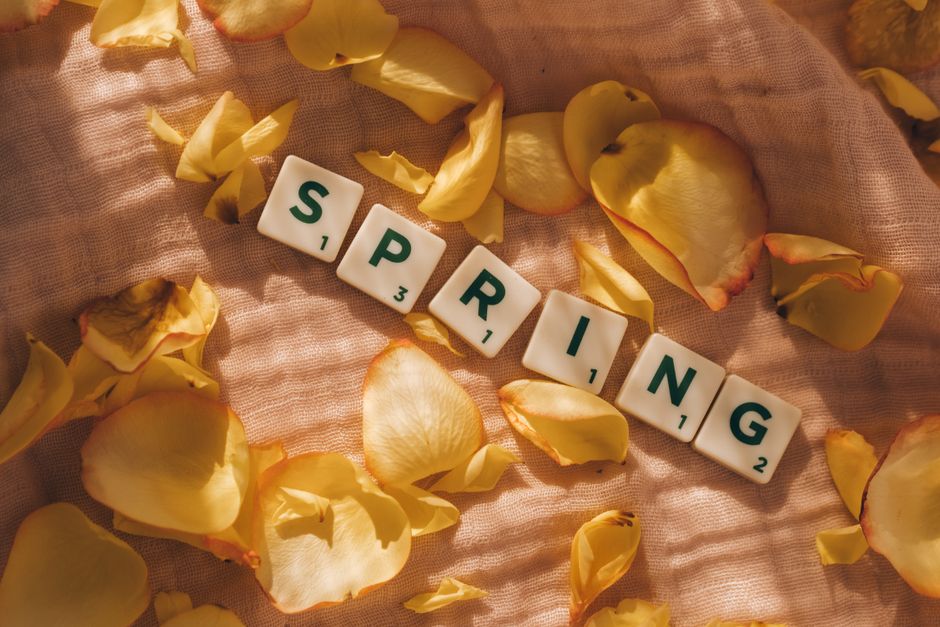
Photo by Polina ⠀ on Pexels
- It often snows in winter. → Es schneit oft im Winter.
- The flowers bloom in spring. → Die Blumen blühen im Frühling.
- We like to swim in summer. → Wir schwimmen gerne im Sommer.
Here's how it works:
graph TD
    A["Concept: 'In' + Month/Season"] --> B["Identify Noun Gender"]
    B --> C{Is it a Month or a Season?}
    C -- Yes --> D["All Months/Seasons are Masculine ('der')"]
    D --> E["Preposition 'in' for Time"]
    E --> F["'in' + Dative Case (for time)"]
    F --> G["Masculine 'der' in Dative becomes 'dem'"]
    G --> H["Combine: 'in' + 'dem'"]
    H --> I["Contraction: 'im'"]
3. Worked Example
Let's say you want to express these ideas in German:
1. "My favorite month is October."
2. "I like to hike in autumn."
3. "School starts in September."
Here's how you'd put it together:
-
"My favorite month is October."
- Month: Oktober (masculine, "der Oktober")
- This sentence isn't about when something happens, it's just identifying the month, so no preposition needed here.
- German: Mein Lieblingsmonat ist Oktober.
-
"I like to hike in autumn."
- Season: Herbst (masculine, "der Herbst")
- "in autumn" = "in" + "dem Herbst" = im Herbst
- German: Ich wandere gerne im Herbst.
-
"School starts in September."
- Month: September (masculine, "der September")
- "in September" = "in" + "dem September" = im September
- German: Die Schule beginnt im September.
4. Key Takeaways
- Use "im" when talking about events happening in a specific month or season.
- "Im" is a contraction of "in dem."
- All German months (Januar, Februar, etc.) are masculine.
- All German seasons (Frühling, Sommer, Herbst, Winter) are masculine.
- The preposition "in" usually takes the dative case when referring to time.
- Knowing the gender of nouns is crucial for choosing the correct article and preposition.
Common Mistakes to Avoid

Photo by KATRIN BOLOVTSOVA on Pexels
- Don't use "in der" or "in das" for months/seasons; they are masculine.
- Avoid using just "in" without "dem" (e.g., "in Juli") – German almost always contracts.
- Don't confuse "im" with "am" (on) or "um" (at) which are used for other time expressions.
5. Now Try It
Translate these sentences into German, focusing on using "im" correctly:
1. We celebrate New Year's Eve in January.
2. It's very hot in summer.
3. My birthday is in April.
4. The trees lose their leaves in autumn.
Success looks like: You've correctly used "im" for each month or season, and the rest of your sentence is grammatically sensible.
Frequently asked about Prepositions of Time: Seasons and Months
More from german
Get the full german curriculum
Clone the complete plan to your dashboard for unlimited AI-generated notes, practice quizzes, and a personalised revision schedule.
Create Free Account