Introduction to Environmental Change and Coastal Geomorphology
From the Geography curriculum
Introduction to Environmental Change and Coastal Geomorphology
TL;DR
This topic explores how natural forces and human activities are changing our planet, focusing specifically on how coasts are shaped. You'll learn about key environmental changes like climate change and sea-level rise, and then dive into the processes that build, erode, and modify coastlines. Understanding these interactions is crucial for managing our vulnerable coastal environments.
1. The Mental Model
Think of Earth as a dynamic system where everything is connected: the air, water, land, and living things constantly interact. Environmental change is like nudging this system, causing ripples, especially in sensitive areas like coastlines, which are battlegrounds between land and sea.
2. The Core Material
Environmental change refers to significant alterations to Earth's natural systems over time. These changes can be natural, like volcanic eruptions or long-term climate cycles, but more recently, human activities have become a dominant driver. Coastal geomorphology is the study of how coastlines are formed and changed by natural processes.
2.1 Drivers of Environmental Change
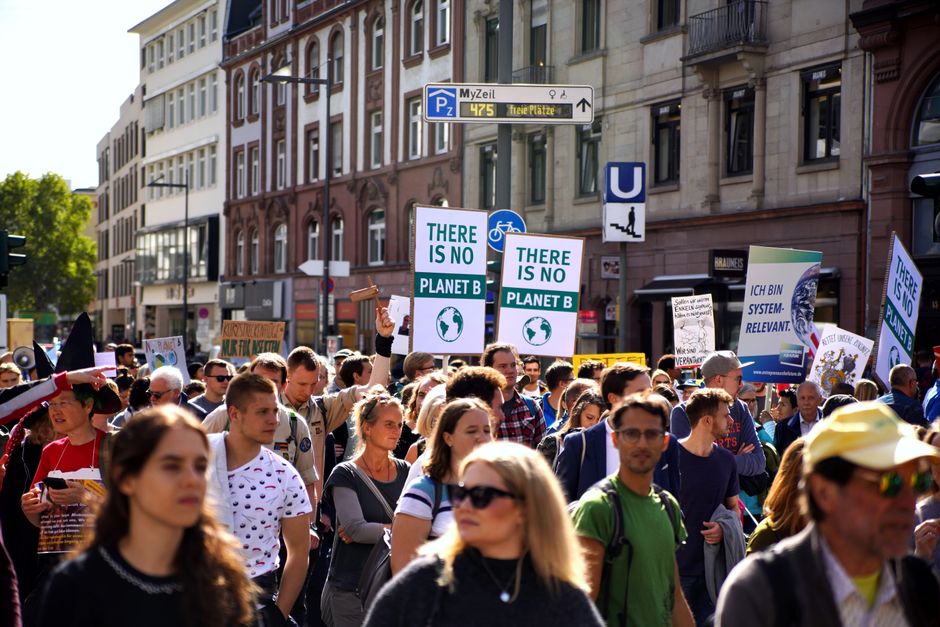
Photo by Iván Hernández-Cuevas on Pexels
The main drivers you need to know about are:
- Climate Change: This is a long-term shift in global or regional climate patterns, primarily driven by increased greenhouse gas emissions from human activities (like burning fossil fuels). Key impacts include rising global temperatures, altered precipitation patterns, and more extreme weather events.
- Sea-Level Rise (SLR): A direct consequence of climate change, SLR happens for two main reasons:
- Thermal Expansion: As oceans warm, the water expands, taking up more space.
- Melting Ice: Glaciers and ice sheets melt, adding water to the oceans.
- Land Use Change: Humans alter landscapes for agriculture, urbanization, deforestation, and industrial development. This affects ecosystems, water cycles, and sediment supply to coasts.
- Pollution: Introduction of harmful substances (chemicals, plastics, nutrients) into the environment degrades ecosystems, including coastal ones.
2.2 Coastal Geomorphology: Shaping the Coast
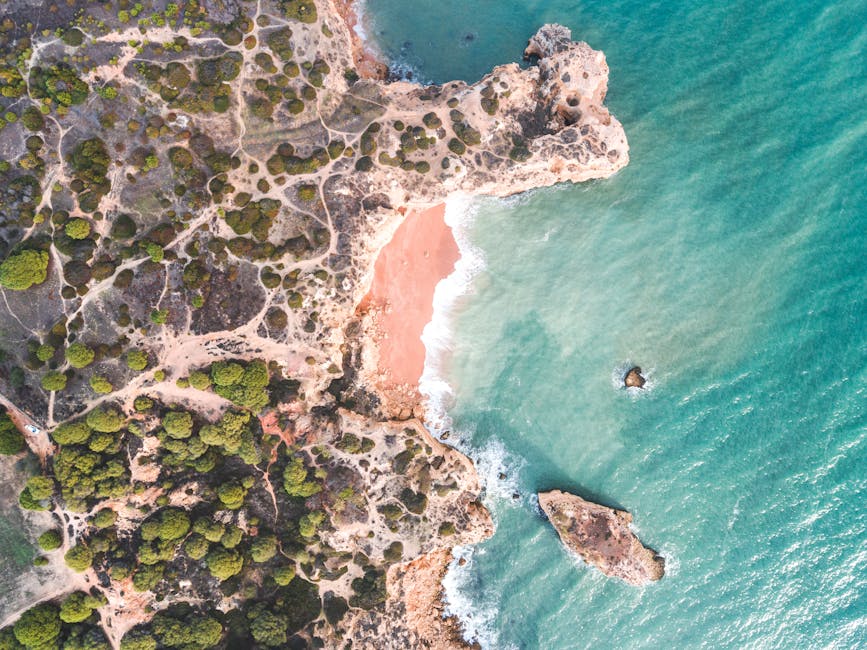
Photo by Lukas Šakys on Pexels
Coastal geomorphology focuses on the processes and landforms found at the interface between land and sea. Coasts are constantly changing due to a balance of forces.
2.2.1 Key Coastal Processes
- Waves: The primary sculptors of coastlines.
- Erosion: Waves crashing against cliffs and carrying away sediment.
- Transport: Moving sand and pebbles along the shore (longshore drift).
- Deposition: Dropping sediment to form beaches, spits, and bars when wave energy decreases.
- Tides: The rise and fall of sea level, primarily caused by gravitational forces from the Moon and Sun. Tides influence where waves break and expose/submerge parts of the intertidal zone.
- Currents: Movement of water masses, often driven by winds, tides, or density differences. Longshore currents are especially important for sediment transport.
- Sediment Supply: The amount of sand, gravel, and mud available to build and maintain coastal features. This comes from rivers, eroded cliffs, and offshore sources.
- Geology: The type of rock along the coast (e.g., hard granite versus soft clay) dictates how resistant it is to erosion and influences coastal landforms (e.g., rocky headlands vs. sandy beaches).
- Sea-Level Change: Both short-term (e.g., storm surges) and long-term (e.g., SLR) changes in sea level directly impact the position of the shoreline and the energy of waves reaching it.
2.2.2 Common Coastal Landforms
These processes create distinctive landforms:
- Erosional: Cliffs, wave-cut platforms, caves, arches, stacks. These form where wave energy is high and rocks are resistant.
- Depositional: Beaches, spits, bars, tombolos, dunes. These form where wave energy is lower and sediment accumulates.
- Biogenic: Coral reefs, mangrove forests. These are formed or significantly influenced by living organisms.
2.3 The Interconnection: Environmental Change and Coasts
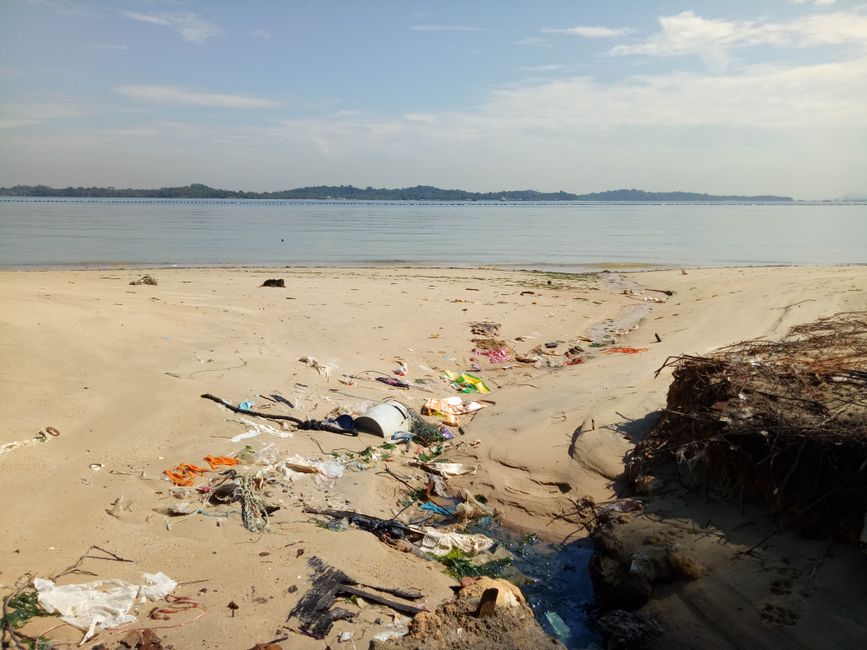
Photo by A R-T on Pexels
Environmental changes, particularly climate change and sea-level rise, are profoundly impacting coastal geomorphology. SLR, for example, can lead to increased coastal erosion, saltwater intrusion into freshwater aquifers, and the submergence of low-lying coastal areas and habitats. Stronger storms due to climate change can intensify wave action, causing more rapid erosion.
Here's how these drivers link to coastal impacts:
graph TD
    A["Human Activities (e.g., Fossil Fuels, Deforestation)"] --> B["Increased Greenhouse Gases"]
    B --> C["Global Warming"]
    C --> D1["Thermal Expansion of Ocean Water"]
    C --> D2["Melting Glaciers & Ice Sheets"]
    D1 --> E["Sea-Level Rise (SLR)"]
    D2 --> E
    C --> F["More Intense Storms"]
    E --> G["Increased Coastal Erosion"]
    E --> H["Submergence of Low-Lying Coasts"]
    F --> G
    A --> I["Land Use Change & Pollution"]
    I --> J["Habitat Degradation (e.g., Mangroves, Coral Reefs)"]
    J --> G
3. Worked Example
Let's consider how sea-level rise impacts a hypothetical stretch of coastline in a sandy beach environment. Imagine a beach that is currently stable, with waves breaking some distance offshore and depositing sand onto the beach.
- Initial State: A sandy beach gradually slopes into the ocean. Dunes behind the beach are protected from regular wave action.
- Sea-Level Rise Occurs: Over decades, global sea level rises by 0.5 meters.
- Impact on Wave Action: The higher sea level means waves can now break closer to the shore and reach further inland. Their energy is no longer dissipated as much offshore.
- Increased Erosion: The increased wave energy closer to shore starts eroding the beach more aggressively. Sand is picked up and carried offshore or along the coast, leading to a narrower beach.
- Dune Retreat: As the beach narrows and wave run-up extends, the dunes, which were once protected, now face direct wave attack during storms. This causes the dunes to erode and retreat inland.
- Saltwater Intrusion: For coastal areas with low elevations, the rising sea level can also push saltwater further inland into groundwater systems, contaminating freshwater supplies beneath the land.
This example shows a direct chain of cause and effect: rising sea levels (an environmental change) lead to significant geomorphological alterations (beach narrowing, dune erosion) and other environmental problems (saltwater intrusion).
4. Key Takeaways
- Environmental change refers to significant long-term alterations to Earth's natural systems, driven by both natural processes and human activities.
- Key drivers of current environmental change include climate change, sea-level rise, land-use change, and pollution.
- Coastal geomorphology studies how coastlines are shaped by processes like waves, tides, currents, sediment supply, geology, and sea-level changes.
- Waves are the primary agents of coastal erosion, transport, and deposition, creating diverse landforms.
- Sea-level rise intensifies coastal erosion, submerges low-lying areas, and alters sediment budgets along coastlines.
- Understanding the interaction between environmental change and coastal processes is vital for coastal management and conservation.
Common Mistakes to Avoid:
- Don't confuse weather (short-term atmospheric conditions) with climate (long-term patterns).
- Don't underestimate the role of human activities as drivers of current environmental change.
- Don't forget that coastal processes like erosion and deposition are always happening; environmental change just accelerates or alters them.
- Don't treat coasts as static; they are incredibly dynamic environments constantly adjusting to forces.
5. Now Try It
Choose a local or well-known coastline (e.g., your closest beach, a famous white cliff, or a specific river delta). Spend 15 minutes researching recent environmental changes (like sea-level rise data for that region, or documented storm events) and how these changes are impacting its specific coastal landforms (e.g., is the beach eroding, are cliffs collapsing, are dunes migrating?).
What success looks like: You should be able to identify at least one environmental change affecting your chosen coast and describe at least two specific geomorphological impacts you would expect to see, linking the cause (environmental change) to the effect (coastal change).
Frequently asked about Introduction to Environmental Change and Coastal Geomorphology
Get the full Geography curriculum
Clone the complete plan to your dashboard for unlimited AI-generated notes, practice quizzes, and a personalised revision schedule.
Create Free Account