Introduction to Human Body Divisions
From the Regional terms and Histology curriculum
Introduction to Human Body Divisions
TL;DR
Understanding the main divisions of the human body helps you pinpoint anatomical locations and organize your learning. We'll break the body down into axial and appendicular parts, then explore the major body cavities that house organs. This foundational knowledge is key for all subsequent anatomy studies.
1. The Mental Model
Think of the human body like a house. It has a main central structure (the "house" itself) and attached parts (like "wings" or "garages"). Inside, there are different rooms or compartments, each protecting specific furniture or appliances.
2. The Core Material
When studying anatomy, it's super helpful to categorize the body's regions. This makes it easier to locate structures and understand their relationships. We primarily divide the body into two main parts: axial and appendicular.
Axial vs. Appendicular Body Parts
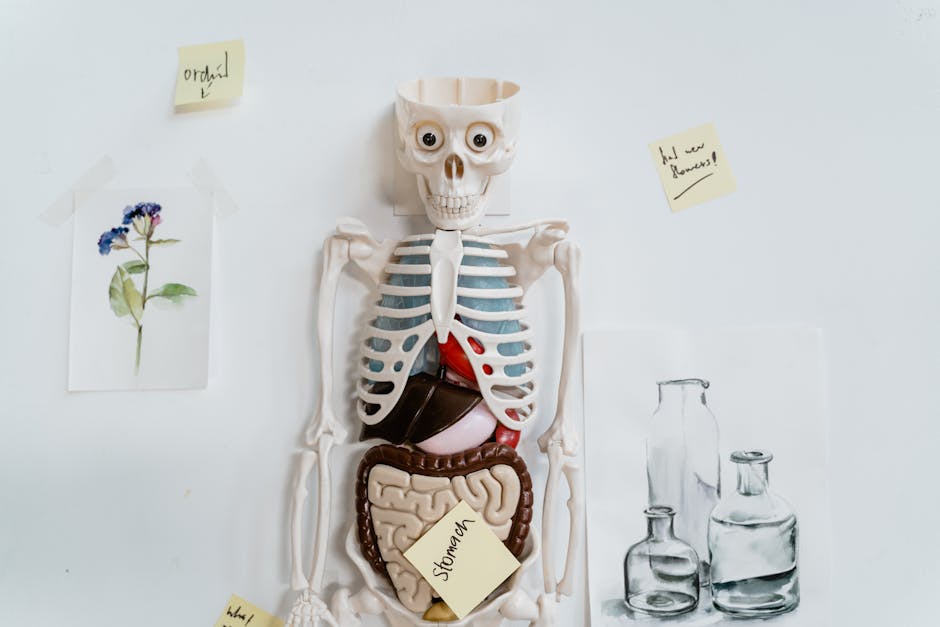
Photo by MART PRODUCTION on Pexels
The axial skeleton forms the central axis of your body. Think of it as the core.
* It includes your head, neck, and trunk (torso).
* The trunk is further divided into the thorax (chest), abdomen (belly), and pelvis (hip region).
* It protects your internal organs and provides support.
The appendicular skeleton consists of your appendages, meaning the parts that "hang off" the axial skeleton.
* These are your upper limbs (arms, forearms, wrists, hands) and lower limbs (thighs, legs, ankles, feet).
* These parts are primarily involved in movement and interaction with the environment.
Major Body Cavities
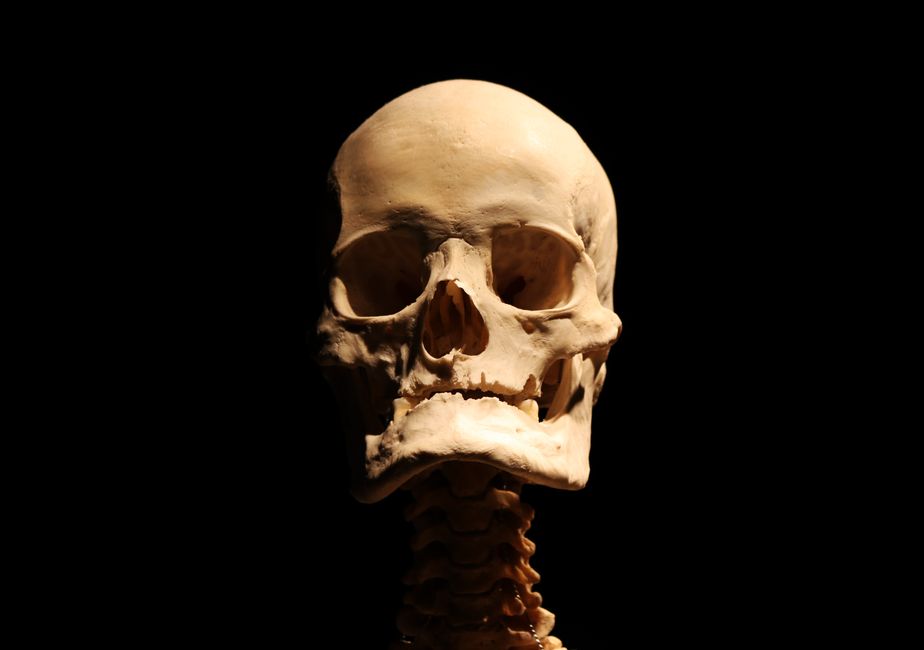
Photo by adrian vieriu on Pexels
Within the axial body, there are several large, hollow spaces called body cavities. These cavities protect vital organs and allow them to change size and shape without being compressed. You'll primarily focus on two main sets: the dorsal and ventral body cavities.
The dorsal body cavity is located on the posterior (back) side of the body. It contains:
* The cranial cavity: This houses your brain.
* The vertebral (spinal) cavity: This contains your spinal cord.
The ventral body cavity is located on the anterior (front) side of the body and is much larger. It's divided by a muscular sheet called the diaphragm into two main parts:
* The thoracic cavity (above the diaphragm):
* Pleural cavities: Each houses a lung.
* Pericardial cavity: Houses your heart.
* Mediastinum: The central region between the lungs, containing the heart, trachea, esophagus, and major blood vessels.
* The abdominopelvic cavity (below the diaphragm):
* Abdominal cavity: Contains your stomach, liver, spleen, pancreas, small intestine, and most of the large intestine.
* Pelvic cavity: Contains the bladder, reproductive organs, and rectum.
It's important to remember that the abdominal and pelvic cavities aren't physically separated by a diaphragm; they are continuous. However, they house different sets of organs.
graph TD
    A["Human Body"] --> B["Axial Body"]
    A --> C["Appendicular Body"]

    B --> D["Head"]
    B --> E["Neck"]
    B --> F["Trunk"]

    F --> G["Thorax"]
    F --> H["Abdomen"]
    F --> I["Pelvis"]

    C --> J["Upper Limbs"]
    C --> K["Lower Limbs"]

    B --> L["Body Cavities (Axial Only)"]

    L --> M["Dorsal Cavity"]
    L --> N["Ventral Cavity"]

    M --> O["Cranial Cavity"]
    M --> P["Vertebral Cavity"]

    N --> Q["Thoracic Cavity"]
    N --> R["Abdominopelvic Cavity"]

    Q --> S["Pleural Cavities"]
    Q --> T["Pericardial Cavity"]
    Q --> U["Mediastinum"]

    R --> V["Abdominal Cavity"]
    R --> W["Pelvic Cavity"]
3. Worked Example
Imagine a doctor needs to perform surgery on a patient's appendix, which is located in the lower right side of the abdomen.
First, the doctor identifies that the appendix is an organ of the trunk, which is part of the axial body. Specifically, it's in the abdomen, which is part of the abdominopelvic cavity. Because the appendix is within a body cavity, it's protected and can move slightly without issue. Understanding these divisions helps the doctor visualize the organ's location relative to other structures and body landmarks, guiding the surgical approach.
4. Key Takeaways
- The human body is broadly divided into axial and appendicular regions.
- The axial body includes the head, neck, and trunk.
- The appendicular body includes your limbs.
- Body cavities are protective spaces within the axial body, housing vital organs.
- The dorsal cavity contains the brain and spinal cord.
- The ventral cavity is separated by the diaphragm into the thoracic and abdominopelvic cavities.
- The thoracic cavity houses the lungs and heart.
- The abdominopelvic cavity houses abdominal and pelvic organs.
Common Mistakes to Avoid:
- Don't confuse the appendicular skeleton with "appendages"; appendicular refers to the limbs.
- Don't forget the trunk is part of the axial body, not the appendicular.
- Don't think the abdominal and pelvic cavities are completely separate compartments; they're continuous.
- Don't call the entire chest region the "pericardial cavity"; that's just for the heart.
- Don't forget the diaphragm is the key divider for the ventral cavity.
5. Now Try It
Spend 15 minutes drawing a simple outline of a human body, then label its major axial and appendicular parts. Next, try to sketch the diaphragm and indicate where the major body cavities (cranial, vertebral, thoracic, abdominal, pelvic) would be located within your drawing. Success means you can correctly label at least 8 out of 10 key regions and cavities without looking at your notes, giving you a solid mental map.
Frequently asked about Introduction to Human Body Divisions
More from Regional terms and Histology
Get the full Regional terms and Histology curriculum
Clone the complete plan to your dashboard for unlimited AI-generated notes, practice quizzes, and a personalised revision schedule.
Create Free Account