beginner

Regional terms and Histology — 7-topic bundle

Comprehensive AI-generated study curriculum with 7 detailed note modules.

0 students cloned 2 views 7 notes

Course Syllabus

  1. Introduction to Human Body Divisions
  2. Regional Terminology of the Trunk and Head
  3. Regional Terminology of the Upper and Lower Limbs
  4. Introduction to Histology and Epithelial Tissue
  5. Connective Tissue and its Functions
  6. Muscle Tissue: Types and Contractile Roles
  7. Nervous Tissue: Structure and Signaling
Study Notes

Introduction to Human Body Divisions

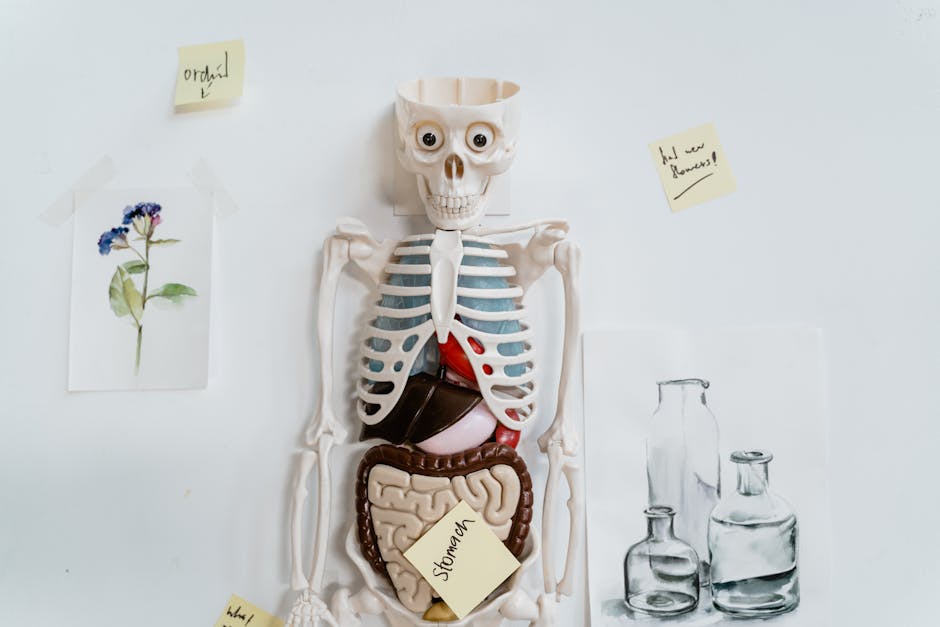
When studying anatomy, it's super helpful to categorize the body's regions. This makes it easier to locate structures and understand their relationships. We primarily divide the body into two main parts: axial and appendicular.

Anatomical model with sticky notes and drawings on a white wall, depicting internal organs.
Photo by MART PRODUCTION on Pexels

Read full note →

Regional Terminology of the Trunk and Head

When we talk about the body, especially the trunk (torso) and head, we use specific terms to pinpoint areas. This is super important because it ensures everyone knows exactly what part you're referring to, whether it's a doctor, nurse, or another anatomist.

Read full note →

Regional Terminology of the Upper and Lower Limbs

When we talk about the body, especially the limbs, general terms like "arm" or "leg" aren't precise enough for healthcare. Regional terms give us that needed precision. They help us pinpoint exact areas for diagnosis, treatment, and communication.

Let's break down the key regions for both the upper and lower limbs.

Read full note →

Introduction to Histology and Epithelial Tissue

Histology is the microscopic study of tissues. A tissue is a group of similar cells and their extracellular matrix that work together to perform a specific function. There are four basic tissue types in the human body:
1. Epithelial tissue: Covers surfaces, lines cavities, and forms glands.
2. Connective tissue: Supports, protects, and binds other tissues.
3. Muscle tissue: Produces movement.
4. Nervous tissue: Transmits electrical signals.

Read full note →

Connective Tissue and its Functions

Connective tissue is super diverse, but all types share some common features: they have cells, and they have an extracellular matrix (ECM). The ECM is the non-living stuff outside the cells and consists of ground substance (a gel-like material) and protein fibers (like collagen and elastin). The specific combination of these components dictates the CT's function.

Read full note →

Nervous Tissue: Structure and Signaling
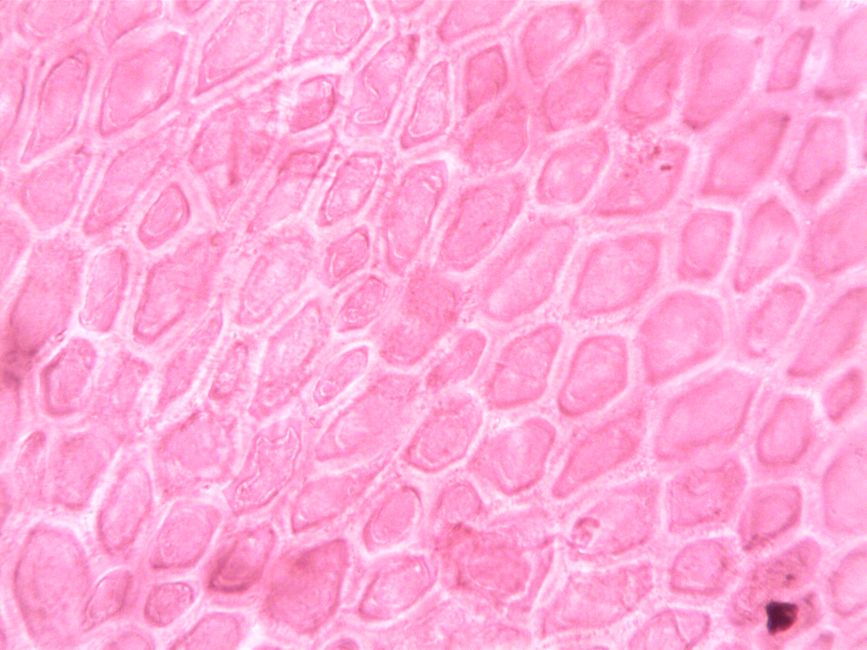
Your nervous system is the master control and communication system of your body. It allows you to sense the world, think, move, and regulate internal functions. It's made of two main types of cells: neurons and neuroglia (or glial cells).

Read full note →