Anatomy of the Upper Limb: Muscles and Vasculature
From the Anatomy curriculum
TL;DR
The upper limb's muscles provide movement, while its intricate vascular network ensures they receive vital blood supply and oxygen. You'll learn about muscle groups, their actions, and the major arteries and veins that support them. Understanding these systems together is key to grasping how your arm functions.
1. The Mental Model
Think of your upper limb as a complex machine. The bones are the framework, the muscles are the motors and cables that pull the framework, and the vasculature is the fuel delivery and waste removal system for those motors. Each part works together seamlessly.
2. The Core Material
Your upper limb's impressive range of motion comes from many muscles acting on different joints. We can broadly group these muscles by their location and primary action, from your shoulder down to your hand. Meanwhile, a branching network of arteries brings oxygenated blood, and veins carry deoxygenated blood back to the heart.
2.1 Major Muscle Groups and Actions
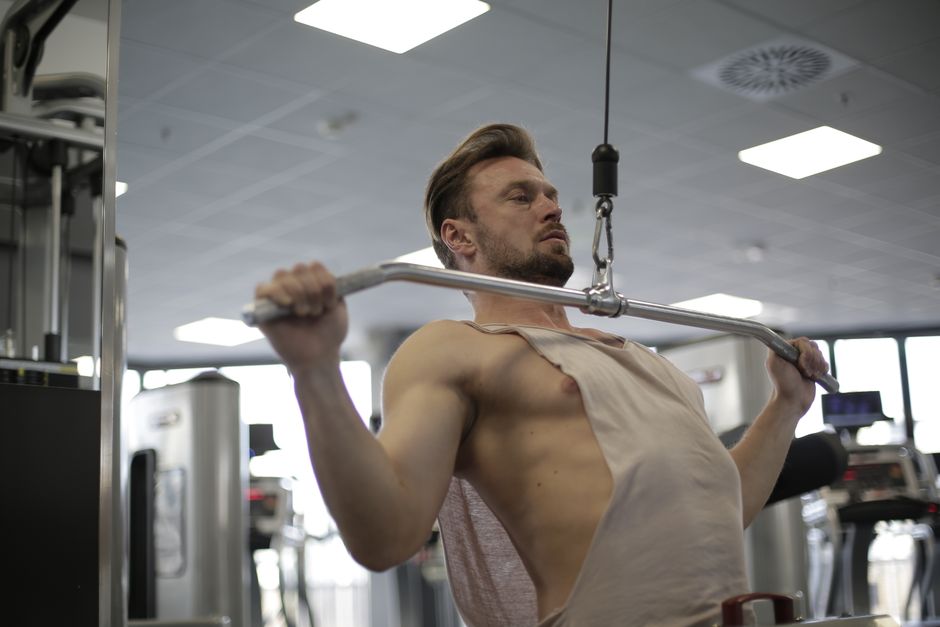
Photo by Andrea Piacquadio on Pexels
Let's break down the muscles. Knowing their general location helps you understand their main job.
- Shoulder: These muscles move your arm at the shoulder joint. The deltoid is your big shoulder cap muscle, responsible for lifting your arm (abduction). The rotator cuff muscles (supraspinatus, infraspinatus, teres minor, subscapularis) stabilize the shoulder and help with rotation.
- Arm (Brachium):
- Anterior Compartment (Flexors): Primarily flex the elbow. The biceps brachii is famous, flexing your elbow and supinating your forearm. The brachialis is a strong elbow flexor, and the coracobrachialis helps flex and adduct the arm.
- Posterior Compartment (Extensors): Primarily extend the elbow. The triceps brachii is the main muscle here, extending your elbow.
- Forearm (Antebrachium):
- Anterior Compartment (Flexors/Pronators): Generally flex the wrist and fingers, and pronate the forearm (turn palm down). Think of muscles like the flexor carpi radialis, flexor carpi ulnaris, and pronator teres.
- Posterior Compartment (Extensors/Supinators): Generally extend the wrist and fingers, and supinate the forearm (turn palm up). Examples include the extensor carpi radialis longus, extensor carpi ulnaris, and supinator.
- Hand: Intrinsic hand muscles are responsible for fine movements of your fingers and thumb, like gripping and pinching.
2.2 Arterial Supply
Photo by Fayette Reynolds M.S. on Pexels
The arterial supply to the upper limb starts from your chest and branches downwards, delivering oxygenated blood.
graph TD
    SubclavianArtery["Subclavian Artery (from aorta)"] --> AxillaryArtery["Axillary Artery (past 1st rib)"]
    AxillaryArtery --> BrachialArtery["Brachial Artery (distal to teres major)"]
    BrachialArtery -- "divides at elbow" --> RadialArtery["Radial Artery (lateral forearm)"]
    BrachialArtery -- "divides at elbow" --> UlnarArtery["Ulnar Artery (medial forearm)"]
    RadialArtery -- "anastomoses" --> SuperficialPalmarArch["Superficial Palmar Arch (hand)"]
    UlnarArtery -- "anastomoses" --> DeepPalmarArch["Deep Palmar Arch (hand)"]
    SuperficialPalmarArch --> DigitalArteries["Digital Arteries (fingers)"]
    DeepPalmarArch --> DigitalArteries
- Subclavian Artery: Originates from your aortic arch (left side) or brachiocephalic trunk (right side). It supplies your neck, upper chest, and shoulder.
- Axillary Artery: The subclavian artery becomes the axillary artery as it passes the lateral border of the first rib. It supplies your shoulder and axilla (armpit).
- Brachial Artery: The axillary artery becomes the brachial artery as it passes the inferior border of the teres major muscle. It's the main supply to your arm and is often where you feel a pulse in your arm.
- Radial and Ulnar Arteries: At your elbow, the brachial artery splits into these two.
- Radial Artery: Runs down the lateral side of your forearm. You can feel its pulse near your wrist on the thumb side.
- Ulnar Artery: Runs down the medial side of your forearm.
- Palmar Arches: The radial and ulnar arteries connect (anastomose) in your hand to form superficial and deep palmar arches, which then supply your fingers via digital arteries.
2.3 Venous Drainage

Photo by https://kaboompics.com/ on Pexels
Veins largely mirror the arteries, but with an important addition: superficial veins. Venous blood flows from the hand back towards the heart.
- Deep Veins: These veins usually run alongside the arteries and share their names (e.g., radial veins, ulnar veins, brachial veins, axillary vein, subclavian vein). They collect blood from the deep structures.
- Superficial Veins: These veins run just under your skin and are often visible. They are key for drawing blood.
- Cephalic Vein: Starts on the lateral side of your hand/forearm and runs up the lateral arm, eventually draining into the axillary vein.
- Basilic Vein: Starts on the medial side of your hand/forearm and runs up the medial arm, joining the brachial veins to form the axillary vein.
- Median Cubital Vein: Connects the cephalic and basilic veins in the antecubital fossa (front of the elbow). This is a common site for venipuncture (blood draws).
3. Worked Example
Let's trace the path of blood and muscle action during a simple movement: flexing your elbow to bring a cup to your mouth.
- Initiation: You decide to lift the cup. Your brain sends signals down to your arm muscles.
- Muscle Action: Your biceps brachii and brachialis muscles contract. The biceps also helps supinate your forearm, turning your palm upwards to hold the cup.
- Energy Supply: To contract, these muscles need energy. Oxygenated blood from your brachial artery flows into smaller arteries and capillaries within the muscle, delivering oxygen and nutrients.
- Waste Removal: As the muscles work, they produce waste products (like carbon dioxide). Deoxygenated blood, now rich in waste, flows from the muscle capillaries into small veins, then into the brachial veins (deep) and possibly the basilic vein (superficial).
- Return Journey: This deoxygenated blood then travels up to the axillary vein, then to the subclavian vein, and eventually back to your heart for re-oxygenation.
4. Key Takeaways
- Upper limb muscles are grouped into compartments based on their primary actions (flexion/extension, abduction/adduction, pronation/supination).
- The deltoid and rotator cuff muscles are crucial for shoulder movement and stability.
- The biceps brachii flexes the elbow and supinates the forearm; the triceps brachii extends the elbow.
- Arteries branch downwards from the subclavian to axillary, brachial, radial, and ulnar arteries, forming palmar arches in the hand.
- Veins largely mirror arteries, but superficial veins (cephalic, basilic, median cubital) are important for clinical procedures.
- The median cubital vein is a common and accessible site for drawing blood.
Common Mistakes to Avoid:
- Don't confuse the deep and superficial venous systems; they both drain the limb but have distinct paths.
- Forgetting that the brachial artery splits into both radial and ulnar arteries.
- Mixing up which muscles are in the anterior (flexor) vs. posterior (extensor) compartments of the arm and forearm.
- Underestimating the role of the rotator cuff in shoulder stability; it's not just about rotation.
5. Now Try It
Spend 15 minutes reviewing a diagram of the upper limb's muscles and vasculature. Trace the path of an artery from the heart to your thumb, naming every major vessel it becomes along the way. Then, imagine extending your arm fully; list the primary muscles involved in this action and which compartment they belong to.
Frequently asked about Anatomy of the Upper Limb: Muscles and Vasculature
Study this next
Get the full Anatomy curriculum
Clone the complete plan to your dashboard for unlimited AI-generated notes, practice quizzes, and a personalised revision schedule.
Save this course free