Body Systems and Physical Activity
From the PDHPE Term 3 Test curriculum
TL;DR
Your body has amazing systems like the cardiovascular, respiratory, and musculoskeletal systems that all work together during physical activity. Understanding how they adapt to exercise helps you perform better and stay healthy. These systems change both short-term (acute) during activity and long-term (chronic) with regular training.
1. The Mental Model
Think of your body as a high-performance car. Each system is like a different part – the engine, fuel pump, exhaust – all needing to work perfectly together to make the car go fast and efficiently. Physical activity challenges these parts, making them stronger and more efficient over time.
2. The Core Material
When you exercise, your body needs more energy, oxygen, and has to get rid of waste products. Your body systems kick into gear to meet these demands.
2.1. Cardiovascular System (Heart, Blood Vessels, Blood)

Photo by cottonbro studio on Pexels
This system is your body's delivery service.
* Acute (during exercise): Your heart rate goes up to pump more blood per minute (this is called cardiac output). Your blood vessels dilate (widen) in working muscles to deliver more oxygen and nutrients, and constrict (narrow) in non-working areas like your digestive system. Your blood pressure also increases.
* Chronic (with regular training): Your heart becomes stronger and more efficient. It can pump more blood with each beat (increased stroke volume), meaning your resting heart rate often decreases. Your blood volume can increase, and your blood vessels become more elastic and efficient.
2.2. Respiratory System (Lungs, Airways, Diaphragm)
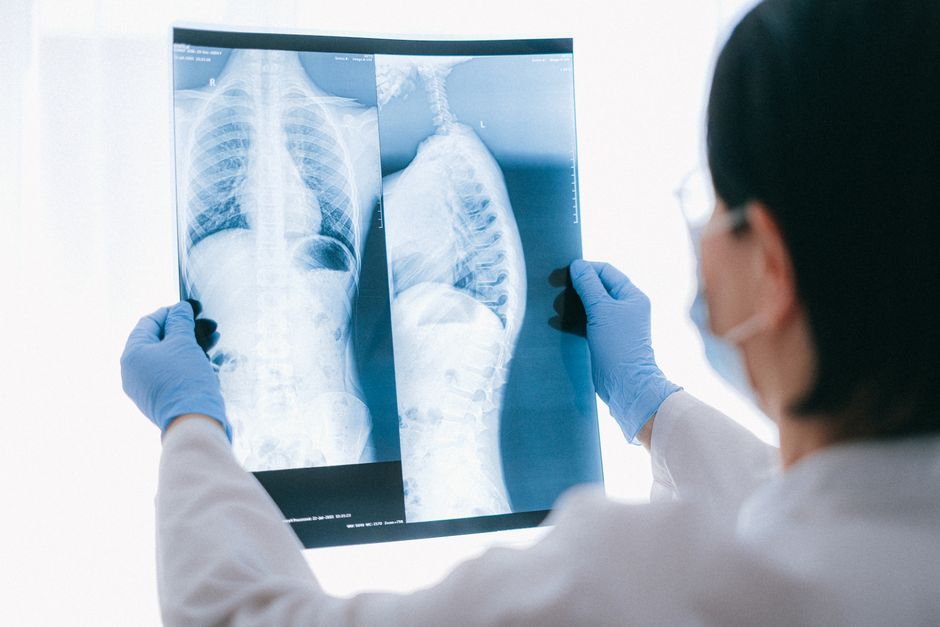
Photo by Anna Shvets on Pexels
This is your body's gas exchange unit.
* Acute (during exercise): You breathe faster and deeper (increased respiratory rate and tidal volume), taking in more oxygen and expelling more carbon dioxide. This is to match the increased demand for oxygen from your muscles and the increased production of CO2.
* Chronic (with regular training): Your lung capacity might slightly increase, but the biggest adaptation is improved efficiency in getting oxygen into the blood and CO2 out. Your respiratory muscles (like the diaphragm) become stronger, making breathing easier.
2.3. Musculoskeletal System (Muscles, Bones, Joints)

Photo by https://kaboompics.com/ on Pexels
This system is responsible for movement and support.
* Acute (during exercise): Your muscles contract more frequently and with more force. This muscle activity generates heat, which is why you get warm. Blood flow to muscles increases significantly.
* Chronic (with regular training):
* Muscles: They can grow larger (hypertrophy) and stronger, and their endurance improves. They also get better at storing fuel (glycogen) and using oxygen (more mitochondria).
* Bones: Weight-bearing exercise makes bones denser and stronger, reducing the risk of osteoporosis.
* Joints: Cartilage can become healthier, and ligaments/tendons stronger, improving joint stability.
Here's how these systems interact during a simple exercise like jogging:
graph TD
    A["Start Jogging (Muscle Activity)"] --> B["Muscles Need More O2 & Nutrients"]
    B --> C["Brain Signals Respiratory System"]
    C --> D["Increased Breathing Rate & Depth"]
    B --> E["Brain Signals Cardiovascular System"]
    E --> F["Increased Heart Rate & Stroke Volume"]
    F --> G["Increased Blood Flow to Muscles"]
    G --> H["O2 & Nutrients Delivered to Muscles"]
    H --> I["Muscles Produce CO2 & Waste"]
    I --> J["Blood Carries CO2 to Lungs"]
    J --> K["CO2 Exhaled (Respiratory System)"]
    K --> L["Body Temperature Rises (Sweating)"]
    L --> M["Sustain Activity (Repeat Cycle)"]
2.4. Energy Systems

Photo by Snapwire on Pexels
Your body uses different energy systems depending on the intensity and duration of activity.
* ATP-PC System (Phosphocreatine): Used for very short, explosive efforts (e.g., 100m sprint, shot put). It's quick but runs out fast (0-10 seconds). No oxygen needed.
* Anaerobic Glycolysis System (Lactic Acid System): Used for high-intensity efforts lasting a bit longer (e.g., 400m sprint, 100m swim). Breaks down glucose without oxygen, producing lactic acid. Fast, but less efficient than aerobic and causes fatigue (10-90 seconds).
* Aerobic System: Used for longer, lower-intensity activities (e.g., marathon, long walk). Uses oxygen to break down carbohydrates and fats for energy. Slowest to start but produces the most energy and lasts the longest.
3. Worked Example
Let's imagine you're running a 5km race.
- Start (Explosive, first few seconds): Your muscles immediately use the ATP-PC system for that initial burst of speed.
- First 1-2 minutes (High intensity): As your ATP-PC stores deplete, you'll rely heavily on anaerobic glycolysis. You might feel your muscles starting to burn a bit from lactic acid buildup. Your respiratory rate and heart rate will rapidly increase to try and meet the oxygen demand, but you'll likely be in an "oxygen deficit."
- Middle and end of race (Aerobic dominant): Once you settle into a pace, your aerobic system becomes the primary energy provider. Your cardiovascular system is working hard: heart rate is elevated, pumping oxygenated blood to your legs. Your respiratory system is taking deep, rapid breaths to bring in oxygen and expel CO2. Your musculoskeletal system is contracting rhythmically, using the oxygen and nutrients delivered. Your body is working hard to maintain homeostasis despite the increased demands.
4. Key Takeaways
- The cardiovascular system delivers oxygen and nutrients and removes waste.
- The respiratory system manages gas exchange (oxygen in, carbon dioxide out).
- The musculoskeletal system provides movement, support, and strength.
- These systems work together, not in isolation, to support physical activity.
- Acute responses are immediate changes during exercise; chronic adaptations are long-term changes from regular training.
- Energy systems (ATP-PC, Anaerobic Glycolysis, Aerobic) fuel different types of activity based on intensity and duration.
- Regular exercise makes your heart more efficient, your lungs better at gas exchange, and your bones and muscles stronger.
Common Mistakes to Avoid:
* Forgetting that all systems are interconnected and influence each other.
* Confusing acute responses (e.g., increased heart rate during exercise) with chronic adaptations (e.g., lower resting heart rate due to training).
* Not understanding which energy system is dominant for different types of activities.
* Thinking that only muscles adapt to exercise; bones, heart, and lungs also change significantly.
5. Now Try It
Imagine you're training for a half-marathon (21.1 km). For each of the three main systems (cardiovascular, respiratory, musculoskeletal), list one acute response you'd experience during a long training run, and one chronic adaptation you'd expect to develop after several months of consistent training. Explain why each change occurs in relation to the demands of running.
What success looks like: Your answers clearly differentiate between short-term reactions and long-term changes, and logically link them to the physiological demands of endurance running.
Frequently asked about Body Systems and Physical Activity
Study this next
Get the full PDHPE Term 3 Test curriculum
Clone the complete plan to your dashboard for unlimited AI-generated notes, practice quizzes, and a personalised revision schedule.
Save this course free