Industrial Transformation and Key Innovators
From the DU Hisory curriculum
TL;DR
The Industrial Revolution was a period of rapid technological, economic, and social change, primarily driven by new inventions and factory systems. Key innovators developed technologies like steam power and textile machinery, fundamentally reshaping production and society. Understanding these changes helps us grasp the origins of our modern industrial world.
1. The Mental Model
Imagine a world where everything was made by hand, slowly and expensively. Then, picture a series of inventions that allowed things to be made by machines, quickly and cheaply, leading to huge changes in how people lived and worked. That's the essence of the Industrial Transformation.
2. The Core Material
The Industrial Revolution, beginning in Great Britain in the late 18th century, marked a profound shift from an agrarian and handicraft economy to one dominated by industry and machine manufacturing. This wasn't just about new machines; it was about new ways of organizing work, new energy sources, and entirely new social structures.
The Shift to Factory Production
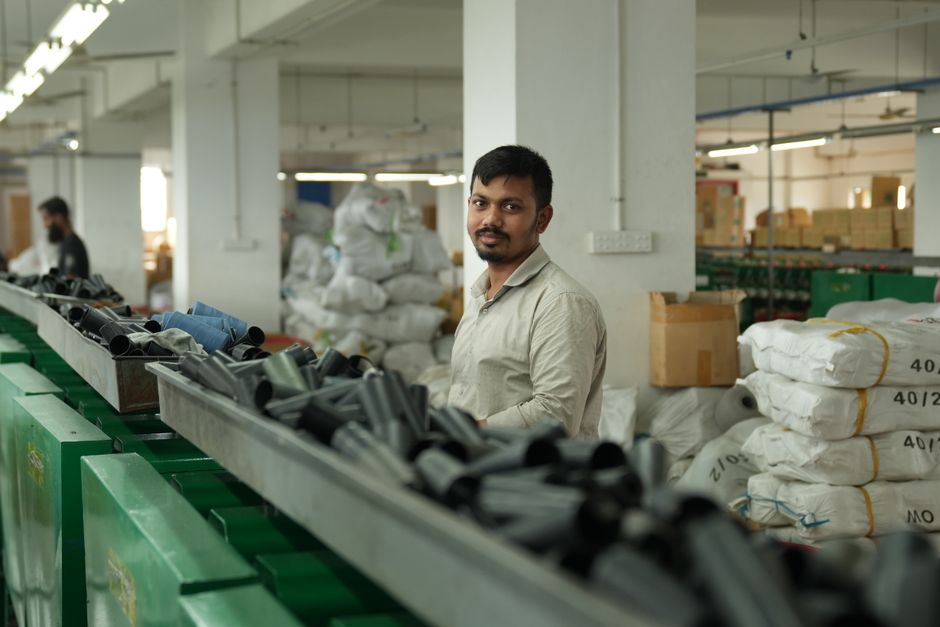
Photo by Galib Rahman Nadim on Pexels
Before industrialization, most goods were produced in homes or small workshops. The invention of new machinery, too large and expensive for individual homes, led to the development of factories. These factories brought workers and machines together under one roof, allowing for specialization of labor and mass production. This change was central to the "transformation."
Key Innovations and Innovators

Photo by santiago martinez on Pexels
Steam Power
Perhaps the most crucial innovation was the steam engine. Initially used to pump water out of mines, its capabilities were greatly expanded.
- Thomas Newcomen (early 18th century): Developed one of the first practical steam engines for pumping water. It was inefficient but proved the concept.
- James Watt (late 18th century): Significantly improved Newcomen's design, making the steam engine much more efficient and versatile. Watt's engine could power factory machinery, locomotives, and ships, becoming the driving force of the Industrial Revolution.
Textile Industry
The textile industry was at the forefront of industrial change, with a series of inventions dramatically increasing the speed of spinning yarn and weaving cloth.
- John Kay (1733): Invented the flying shuttle, which sped up weaving. This created a demand for more yarn.
- James Hargreaves (1764): Invented the spinning jenny, allowing one worker to spin multiple spools of thread simultaneously, addressing the yarn shortage.
- Richard Arkwright (1769): Invented the water frame, a water-powered spinning machine that produced stronger thread. He's often credited with establishing the factory system.
- Samuel Crompton (1779): Combined elements of the spinning jenny and water frame to create the spinning mule, producing high-quality thread efficiently.
- Edmund Cartwright (1785): Invented the power loom, mechanizing the weaving process and completing the textile revolution.
Iron and Steel Production
Better methods for producing iron and steel were essential for building new machines, factories, and railways.
- Abraham Darby (early 18th century): Developed a process for smelting iron using coke (derived from coal) instead of charcoal. This made iron production cheaper and more efficient.
Here's how these innovations often spurred each other on:
graph TD
    A["Need for faster weaving"] --> B["John Kay's Flying Shuttle"]
    B --> C["Increased demand for yarn"]
    C --> D["James Hargreaves' Spinning Jenny"]
    C --> E["Richard Arkwright's Water Frame"]
    D --> F["Samuel Crompton's Spinning Mule"]
    E --> F
    F --> G["Increased yarn supply"]
    G --> H["Need for faster weaving (again)"]
    H --> I["Edmund Cartwright's Power Loom"]
    I --> J["Demand for stronger machines"]
    J --> K["Improvements in Iron/Steel (e.g., Darby)"]
    K --> L["James Watt's Steam Engine (powering factories/transport)"]
    L --> M["Further Industrial Expansion"]
Consequences of Industrial Transformation

Photo by Diana ✨ on Pexels
The changes brought by these innovators weren't just technological. They led to:
- Urbanization: People moved from rural areas to cities for factory jobs.
- New Social Classes: The rise of an industrial working class (proletariat) and a wealthy industrialist class (bourgeoisie).
- Economic Growth: Unprecedented growth in wealth and production.
- Social Challenges: Poor working conditions, child labor, and pollution were common.
3. Worked Example
Let's trace the impact of James Watt's improved steam engine. Before Watt, Newcomen's engine was mainly used to pump water from coal mines. While useful, it was massive, inefficient, and stationary.
Watt, working with instrument maker Matthew Boulton, made several critical improvements:
1. Separate Condenser: This innovation cooled the steam outside the main cylinder, preventing the cylinder from having to be reheated for every stroke. This drastically improved efficiency.
2. Rotary Motion: Watt developed a way for the engine to produce rotary (spinning) motion, not just up-and-down motion.
Imagine a cotton mill before Watt. It might be located next to a river to use a water wheel for power. This limited where factories could be built. With Watt's engine, a factory could be built almost anywhere coal was available to fuel the engine. This freed up factory location and allowed for much larger, continuously running machinery. The number of power looms in Britain, for example, skyrocketed from around 2,400 in 1813 to 224,000 by 1835, largely thanks to the reliable power provided by steam engines. This wasn't just a machine; it was the power source that unlocked the full potential of many other inventions.
4. Key Takeaways
- The Industrial Revolution transitioned economies from manual labor to machine production.
- James Watt's improved steam engine was crucial, providing a versatile power source for factories and transportation.
- Innovations in the textile industry, like the spinning jenny and power loom, greatly increased production efficiency.
- Abraham Darby's work with coke smelting revolutionized iron production, providing essential materials for new machines.
- The factory system, bringing workers and machines together, became the dominant mode of production.
- Industrialization led to significant societal changes, including urbanization and the formation of new social classes.
- New technologies often created demand for further innovations in related fields.
Common Mistakes to Avoid:
- Don't assume the Industrial Revolution was a single event; it was a process over decades.
- Avoid oversimplifying the impact, it brought both progress and significant social problems.
- Don't credit a single inventor for an entire industry; often, innovation was cumulative.
- Don't forget that agriculture and resource extraction (like coal mining) were also transformed.
5. Now Try It
Choose one key innovator we discussed (e.g., Richard Arkwright or Edmund Cartwright) and research their invention in more detail. Specifically, find out: What problem did their invention solve, what previous technology did it replace or improve upon, and what immediate economic impact did it have on Britain (e.g., did it lower prices, increase exports, or create new jobs)? Write a short paragraph (5-7 sentences) summarizing your findings.
What success looks like: You'll have identified the specific problem, the predecessor technology, and at least two concrete economic impacts, supported by a brief explanation.
Frequently asked about Industrial Transformation and Key Innovators
Study this next
Get the full DU Hisory curriculum
Clone the complete plan to your dashboard for unlimited AI-generated notes, practice quizzes, and a personalised revision schedule.
Save this course free