Physical Geography: Earth's Systems and Processes
From the GEOGRAPHY curriculum
Physical Geography: Earth's Systems and Processes
TL;DR
Physical geography explores Earth's natural features and processes, focusing on how different "systems" interact. You'll learn about the lithosphere, hydrosphere, atmosphere, and biosphere, and how their connections shape our planet. Understanding these relationships helps us make sense of phenomena like climate, landforms, and ecosystems.
1. The Mental Model
Imagine Earth isn't just one big blob, but a collection of interconnected "spheres" working together. Think of them as different departments in a company, constantly exchanging information and resources. What happens in one department (sphere) directly affects the others.
2. The Core Material
Physical geography is about understanding the natural world around us – the land, water, air, and life. To do this, we break Earth down into four main interacting systems, or "spheres":
2.1 The Lithosphere (Earth's Solid Part)

Photo by Umay Isik on Pexels
This is Earth's solid outer layer, including the crust and the uppermost part of the mantle. It's where you find continents, ocean floors, mountains, rocks, and soil. Processes here include plate tectonics (the movement of large sections of Earth's crust), volcanism (volcanoes), erosion (wearing away of land by wind, water, ice), and weathering (breaking down of rocks). These processes create and reshape landforms.
2.2 The Hydrosphere (Earth's Water)
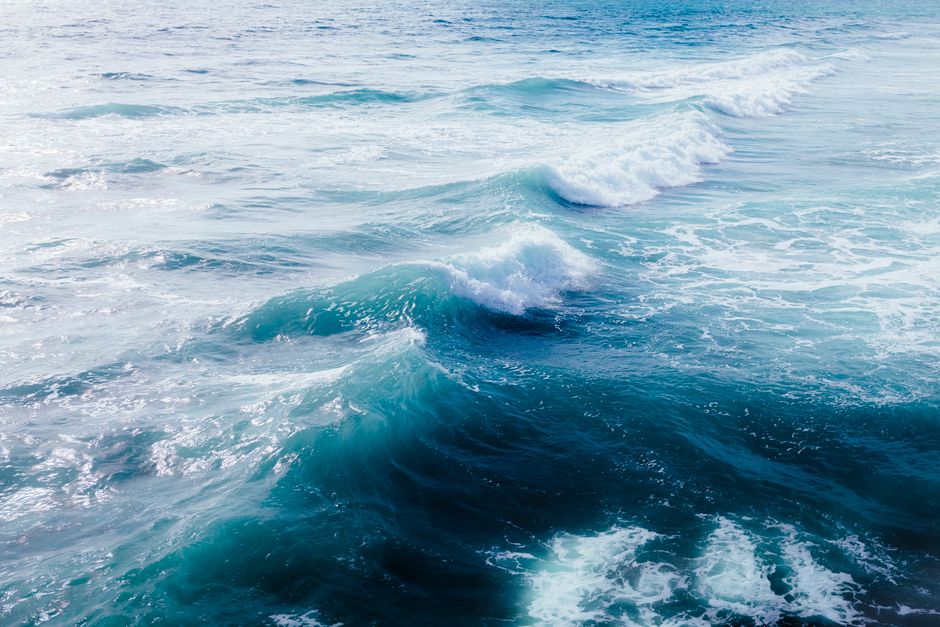
Photo by Isaac Garcia on Pexels
The hydrosphere includes all the water on Earth – in oceans, seas, lakes, rivers, glaciers, ice caps, groundwater, and even atmospheric vapor. The water cycle is a key concept here, describing the continuous movement of water above, on, and below the surface of the Earth. This system is crucial for climate regulation and supporting life.
2.3 The Atmosphere (Earth's Air)
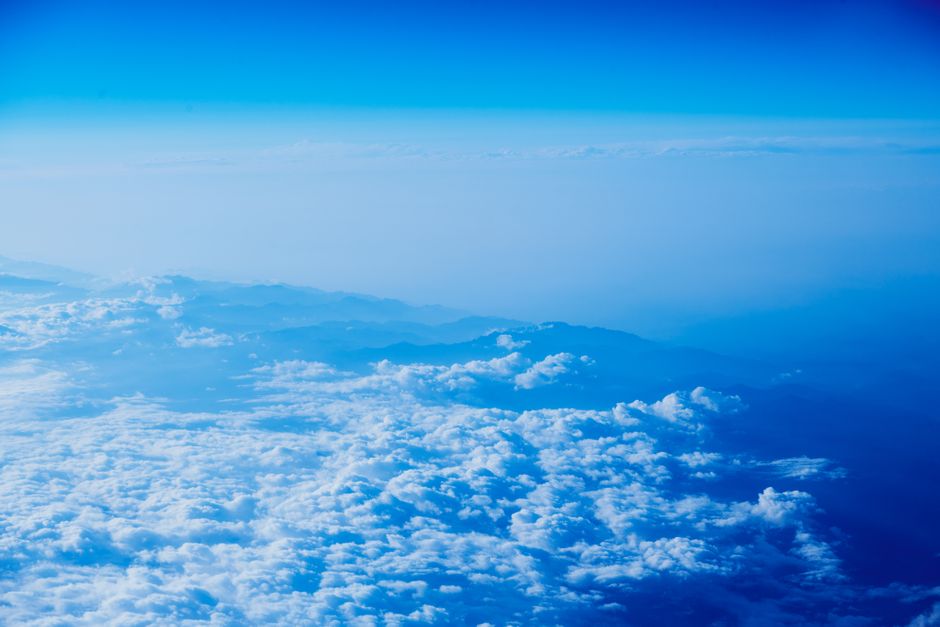
Photo by Suki Lee on Pexels
This is the blanket of gases surrounding Earth, primarily nitrogen (about 78%) and oxygen (about 21%). It protects us from solar radiation, regulates temperature, and drives weather and climate. Key processes include atmospheric circulation (wind patterns), cloud formation, and the greenhouse effect (natural warming of the planet by certain gases).
2.4 The Biosphere (Earth's Life)

Photo by Nothing Ahead on Pexels
The biosphere encompasses all living things on Earth, from the smallest bacteria to giant redwood trees, and all the environments they inhabit. It's where life interacts with the other three spheres. Ecosystems, biomes (like deserts or rainforests), and food webs are central to understanding the biosphere.
2.5 Interconnections: Earth's Systems at Work
These four spheres don't exist in isolation; they are deeply interconnected. Changes in one sphere inevitably impact the others. For example, a volcanic eruption (lithosphere) can release gases into the atmosphere, affecting weather patterns (atmosphere) and potentially altering rainfall (hydrosphere), which in turn impacts vegetation (biosphere).
Here's how these systems interact in a cycle:
graph TD
    A["Volcanic Eruption (Lithosphere)"] --> B["Ash/Gases into Atmosphere"];
    B --> C["Atmospheric Circulation (Atmosphere)"];
    C --> D["Climate Change / Acid Rain (Atmosphere/Hydrosphere)"];
    D --> E["Impact on Vegetation (Biosphere)"];
    E --> F["Soil Formation / Erosion (Lithosphere/Biosphere)"];
    F --> A;
3. Worked Example
Let's consider the formation of a delta at the mouth of a large river, like the Mississippi Delta.
- Lithosphere: The river flows over land, eroding soil and rock upstream, carrying sediments.
- Hydrosphere: The river itself is part of the hydrosphere, acting as a transport system for water and sediment. The ocean at the river's mouth is also hydrosphere.
- Interaction: As the river reaches the calmer waters of the ocean, its flow slows down. The sediments it carried (from the lithosphere) are deposited (a lithospheric process) at the mouth, building up new land over time.
- Biosphere: This newly formed, fertile land provides habitats for various plants and animals (biosphere), creating unique delta ecosystems, including wetlands and marshes.
- Atmosphere: Local weather patterns (atmosphere) like heavy rainfall affect the river's discharge and sediment load, influencing how quickly the delta grows. Storms and hurricanes (atmospheric events) can dramatically reshape the delta's landforms and ecosystems.
So, a delta is a perfect example of the lithosphere, hydrosphere, atmosphere, and biosphere all working together to create a significant geographical feature.
4. Key Takeaways
- Earth is best understood as a system of four interacting spheres: lithosphere, hydrosphere, atmosphere, and biosphere.
- The lithosphere is the solid Earth, responsible for landforms and geological processes.
- The hydrosphere includes all water on Earth, crucial for climate and life, driven by the water cycle.
- The atmosphere is the gas layer surrounding Earth, controlling weather, climate, and protecting life.
- The biosphere comprises all life and its interactions with the other spheres.
- Changes in one sphere always have ripple effects on the others, showcasing their interconnectedness.
Common Mistakes to Avoid:
- Thinking of the spheres as completely separate entities; they are always intertwined.
- Forgetting that humans are part of the biosphere and can significantly impact all other spheres.
- Confusing weathering (breaking down rock) with erosion (moving material).
- Underestimating the dynamic nature of Earth's systems; they are constantly changing.
5. Now Try It
Think about a natural disaster you've recently heard about, like a wildfire, a flood, or a hurricane. For 15 minutes, write down how this one event involved and impacted each of the four Earth spheres (lithosphere, hydrosphere, atmosphere, and biosphere). What success looks like: You should be able to clearly identify at least one connection or impact for each of the four spheres related to your chosen event.
Frequently asked about Physical Geography: Earth's Systems and Processes
Get the full GEOGRAPHY curriculum
Clone the complete plan to your dashboard for unlimited AI-generated notes, practice quizzes, and a personalised revision schedule.
Create Free Account