Personal Experiences and Survivor Testimonies
From the Sec 2 history chapter 6 curriculum
TL;DR
Personal experiences and survivor testimonies offer crucial insights into historical events, giving voice to individuals often overlooked by official records. They provide a human perspective, detailing the emotional and physical impact of history. Analyzing these accounts helps you understand the past more deeply and empathetically.
1. The Mental Model
Think of personal testimonies as direct windows into the past, allowing you to see history through the eyes of someone who lived it. They're like pieces of a larger puzzle, showing you the human side of major events.
2. The Core Material
When studying history, you'll often encounter official documents, textbooks, and academic analyses. While these are important, they can sometimes feel abstract or distant. Personal experiences and survivor testimonies bridge this gap by bringing the past to life. They are first-hand accounts, often in the form of oral histories, diaries, letters, or memoirs, from individuals who witnessed or participated in historical events.
These accounts are invaluable for several reasons:
- Humanize History: They show you the impact of events on ordinary people, focusing on emotions, daily struggles, and personal triumphs or tragedies. This helps you connect with the past on a deeper, more empathetic level.
- Provide Different Perspectives: Official narratives might focus on leaders or political decisions. Testimonies often reveal the experiences of marginalized groups, women, children, or those whose voices might otherwise be silenced. They can challenge or complement official histories.
- Offer Unique Details: Survivors often recall specific details, feelings, and sensations that no textbook could capture, providing a richer, more nuanced understanding of an event.
- Serve as Evidence: While personal accounts can be subjective, when cross-referenced with other sources, they can provide powerful evidence of what truly happened, especially in cases where official records are incomplete or biased.
However, it's also crucial to approach these testimonies with a critical eye:
- Memory can be fallible: Over time, details might fade or be conflated.
- Subjectivity and bias: Personal feelings and experiences naturally shape how an event is remembered and recounted.
- Selective memory: People might choose to emphasize certain aspects while downplaying others.
Your job is to analyze these accounts carefully, considering the context, the person's background, and comparing them with other sources to build a comprehensive picture.
graph TD
    A["Historical Event"] --> B["Official Records/Textbooks"]
    A --> C["Personal Experiences/Testimonies"]

    C --> D["Oral Histories"]
    C --> E["Diaries/Letters"]
    C --> F["Memoirs/Autobiographies"]

    D --> G{"Humanize History"}
    E --> H{"Offer Unique Details"}
    F --> I{"Provide Diverse Perspectives"}

    G & H & I --> J["Richer Historical Understanding"]

    J --> K{"Critical Analysis Required"}
    K --> L["Consider Context"]
    K --> M["Cross-Reference Sources"]
    K --> N["Acknowledge Subjectivity"]
Analyzing Testimonies
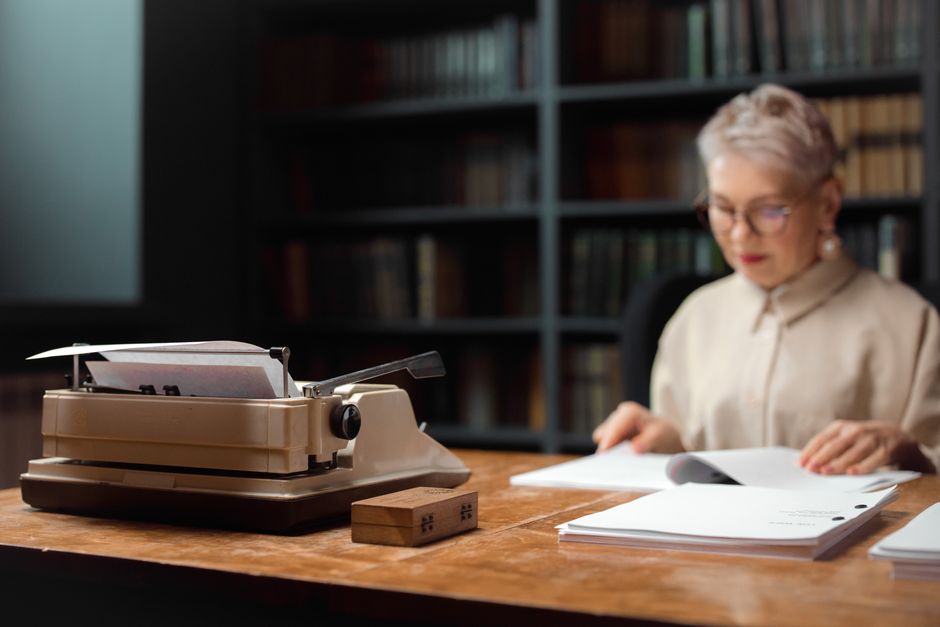
Photo by Ron Lach on Pexels
When you encounter a testimony, ask yourself:
- Who is speaking? What was their role, background, and perspective during the event?
- What are they describing? Focus on specific details, emotions, and personal impacts.
- What message are they trying to convey? Is it a warning, a remembrance, a plea for justice?
- How does this account compare to other sources? Does it confirm, contradict, or add new information?
3. Worked Example
Let's consider a testimony from a survivor of the Sook Ching massacre during the Japanese Occupation of Singapore.
"I remember the fear, the absolute terror when the Japanese soldiers came to our kampong. They rounded up all the Chinese men, my father and uncles included. My mother tried to hide my younger brother, stuffing him under floorboards. We could hear the screaming from the collection centres, even from our house. I was just a child, maybe seven, but the image of my father being marched away, never to be seen again, is burned into my memory. We didn't know if he was dead or alive for months, then we just knew. The hunger afterwards was terrible, but it was the constant fear, the quiet despair in my mother's eyes, that truly haunted me."
Analysis:
* Who: An unnamed Chinese child survivor, likely recalling events decades later. Their role was a victim/witness.
* What: Describes the roundup of Chinese men, the hiding of a child, the sounds of terror, the marching away of her father, the prolonged uncertainty, the eventual acceptance of his death, and the subsequent hunger and despair.
* Message: Conveys the deep trauma, fear, and lasting emotional impact of the occupation, particularly the Sook Ching massacre, on families and children. It highlights the helplessness and loss.
* Comparison: Official records confirm the Sook Ching massacre and the targeting of Chinese men. This testimony adds a crucial emotional and personal layer, showing the immediate terror, the long-term psychological scarring, and the impact on family units, which statistics alone cannot convey. It humanizes the victims beyond mere numbers.
4. Key Takeaways
- Personal testimonies offer a human, emotional perspective on historical events.
- They provide unique details and diverse viewpoints often missing from official records.
- Testimonies help you connect with the past and develop empathy for those who lived through it.
- Always analyze testimonies critically, considering memory, bias, and context.
- Cross-referencing testimonies with other sources gives a more complete historical picture.
Common mistakes to avoid:
- Treating testimonies as undisputed facts: Remember they're subjective and require critical analysis.
- Ignoring the emotional impact: Don't just extract facts; pay attention to the feelings conveyed.
- Failing to consider the source's background: The 'who' is as important as the 'what'.
- Not comparing with other sources: Relying on only one type of source gives an incomplete view.
5. Now Try It
Find another personal account or survivor testimony related to the Japanese Occupation of Singapore (e.g., from a textbook, an online archive, or a museum exhibit). Read it carefully and, in a paragraph, summarize its main points, identifying what unique insights it provides that might be missing from a standard historical textbook account. What emotions or specific details stood out to you? What does this testimony add to your understanding of the occupation?
Frequently asked about Personal Experiences and Survivor Testimonies
More from Sec 2 history chapter 6
Get the full Sec 2 history chapter 6 curriculum
Clone the complete plan to your dashboard for unlimited AI-generated notes, practice quizzes, and a personalised revision schedule.
Save this course free