Foundational Causes of the Civil War
From the USA history curriculum
TL;DR
The American Civil War wasn't just about one thing; it was a complex conflict stemming from deeply rooted disagreements over slavery, states' rights, and economic differences that built up over decades. These issues created a growing divide between the industrial North and the agrarian South, making compromise increasingly difficult. Ultimately, the inability to resolve these fundamental tensions led to secession and war.
1. The Mental Model
Think of the Civil War as a boiling pot. While Lincoln's election was the spark that made it boil over, many ingredients were added over decades, slowly raising the temperature until it exploded. You're looking at the core, long-standing ingredients that made the pot boil.
2. The Core Material
The Civil War, fought from 1861 to 1865, had roots that stretched back to the founding of the nation. While many factors contributed, a few stand out as foundational.
Slavery: The Central Conflict

Photo by Muffin Creatives on Pexels
Slavery was, without a doubt, the most significant and divisive issue. It wasn't just a moral question for many; it was deeply intertwined with the South's economic system and social structure. The South's economy was primarily agrarian, relying heavily on enslaved labor for cash crops like cotton. The North, meanwhile, was rapidly industrializing and increasingly viewed slavery as morally wrong and economically backward. This fundamental disagreement colored every other political and social debate.
States' Rights vs. Federal Power

Photo by Tara Winstead on Pexels
Closely linked to slavery was the debate over states' rights. Southern states argued they had the right to govern themselves without federal interference, especially regarding slavery. They believed they could nullify federal laws they disagreed with and even secede from the Union if their rights were violated. The North generally favored a stronger federal government with the power to enforce laws across all states, including those related to slavery.
Economic Differences

Photo by Erick González González on Pexels
The economic systems of the North and South were vastly different, leading to conflicting interests. The industrial North thrived on manufacturing, trade, and free labor. It favored policies like protective tariffs (taxes on imported goods) to make American-made products more competitive. The agrarian South, dependent on slave labor and agricultural exports, opposed these tariffs because they increased the cost of imported goods and feared retaliation from European countries that might then tariff Southern cotton.
Westward Expansion and Compromise Failures
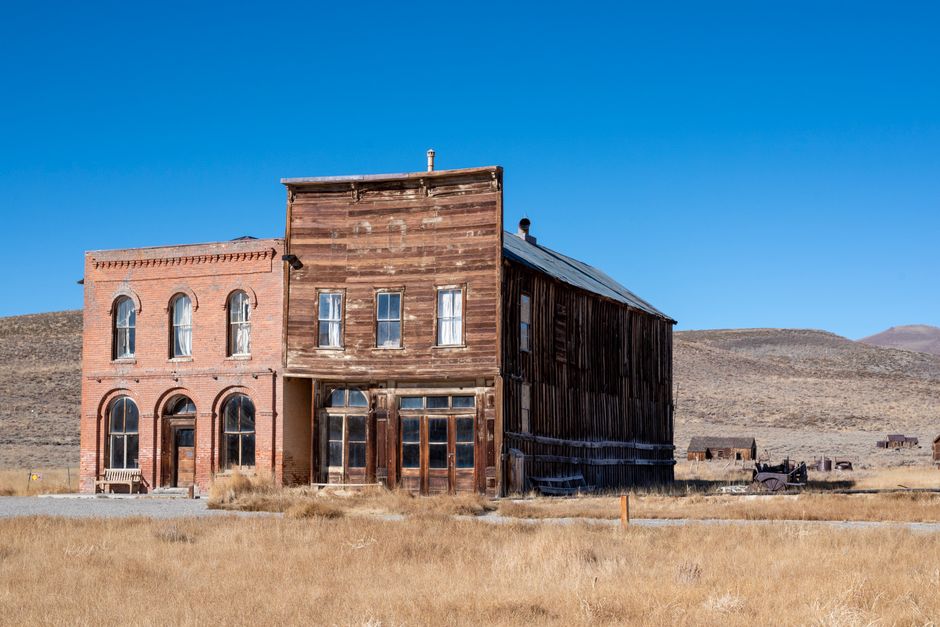
Photo by Joseph Russo on Pexels
As the United States expanded westward, the question of whether new territories would allow slavery became a flashpoint. Each new territory threatened to upset the delicate balance of power between free and slave states in Congress. Attempts to resolve these issues through compromises (like the Missouri Compromise, Compromise of 1850, and Kansas-Nebraska Act) often only temporarily delayed conflict and sometimes even exacerbated tensions. The Kansas-Nebraska Act, for example, introduced "popular sovereignty," allowing settlers in a territory to decide on slavery, which led to violent clashes known as "Bleeding Kansas."
graph TD
    A["Fundamental Disagreement: Slavery (Moral, Economic)"] --> B["Differing Economic Systems (Industrial North vs. Agrarian South)"]
    B --> C["Political Divergence (States' Rights vs. Federal Power)"]
    C --> D["Westward Expansion & New Territories"]
    D --> E["Repeated Compromise Failures (Missouri Compromise, Comp. of 1850, KN Act)"]
    E --> F["Increased Sectionalism & Distrust"]
    F --> G["Secession & Start of Civil War"]
    A -- "South's Dependence on" --> B
    B -- "Led to different views on" --> C
    C -- "Ignited by" --> D
    D -- "Fueled" --> E
3. Worked Example
Consider the Kansas-Nebraska Act of 1854. Senator Stephen Douglas wanted to organize the Nebraska Territory (which included what would become Kansas) to facilitate a transcontinental railroad. To gain Southern support, he proposed popular sovereignty, meaning settlers in these territories would vote on whether to allow slavery. This directly contradicted the Missouri Compromise of 1820, which had prohibited slavery north of the 36°30′ parallel. The result wasn't a peaceful resolution but rather intense migration of pro-slavery and anti-slavery settlers into Kansas, leading to widespread violence, voter fraud, and even bloodshed, earning it the nickname "Bleeding Kansas." This example shows how attempts at compromise often failed and instead intensified sectional divisions.
4. Key Takeaways
- Slavery was the primary cause, deeply intertwining moral issues with the South's economic and social structure.
- The debate over states' rights versus federal power was largely a vehicle for Southern states to protect slavery.
- Economic differences, like tariffs, further divided the industrial North and the agrarian South.
- Westward expansion continuously reignited the slavery debate, as new territories threatened the balance of power.
- Attempts at political compromise often failed or worsened tensions, contributing to the inevitability of war.
- The Civil War wasn't caused by a single event, but a culmination of long-standing, unresolved conflicts.
Avoid these common mistakes:
- Don't assume the Civil War was only about slavery; recognize the interconnectedness of other factors like states' rights and economic differences.
- Don't think that any single compromise would have prevented the war entirely; the underlying tensions were too great.
- Don't overlook the impact of westward expansion in making the slavery debate unavoidable.
- Don't simplify the "North vs. South" dynamic too much; there were varied opinions within both regions, though sectional lines were clear.
5. Now Try It
Imagine you're a newspaper editor in 1850. Write a short editorial (about 150-200 words) discussing the most pressing issues facing the nation that could lead to disunion. Focus on articulating how slavery, states' rights, and economic differences are creating dangerous divisions.
Success looks like: Your editorial clearly identifies these three foundational causes and explains how they are contributing to the growing sectionalism, warning your readers of the potential for conflict. You should sound like someone living in that era, reflecting the concerns of the time.
Frequently asked about Foundational Causes of the Civil War
Study this next
Get the full USA history curriculum
Clone the complete plan to your dashboard for unlimited AI-generated notes, practice quizzes, and a personalised revision schedule.
Save this course free