Introduction to Sustainable Production
From the Sustainable production curriculum
Introduction to Sustainable Production
TL;DR
Sustainable production means making goods and services in a way that minimizes negative impacts on the environment, conserves resources, and supports social well-being for the long term. It balances economic needs with ecological and social responsibilities. The goal is to meet present needs without compromising the ability of future generations to meet their own.
1. The Mental Model
Think of sustainable production as trying to run a business without borrowing from tomorrow's resources or harming future generations. It's like living within your means, but for the planet and society.
2. The Core Material
Sustainable production isn't just about being "green"; it's a comprehensive approach that considers the entire lifecycle of a product or service. It aims to improve environmental performance, boost economic efficiency, and enhance social equity simultaneously. This balance is often called the "triple bottom line": People, Planet, and Profit.
2.1 Environmental Considerations
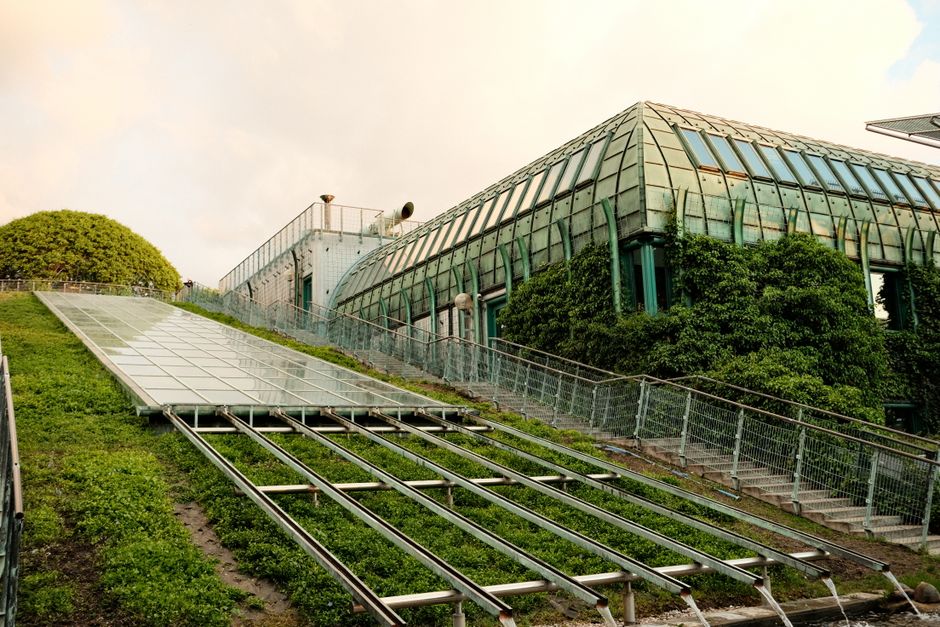
Photo by Krystian B on Pexels
This involves minimizing resource depletion (like water, minerals, fossil fuels), reducing pollution (air, water, soil), and decreasing waste generation. It also means protecting biodiversity and ecosystems. Key strategies include using renewable energy, improving energy efficiency, designing products for durability and recyclability, and sourcing materials responsibly.
2.2 Economic Viability
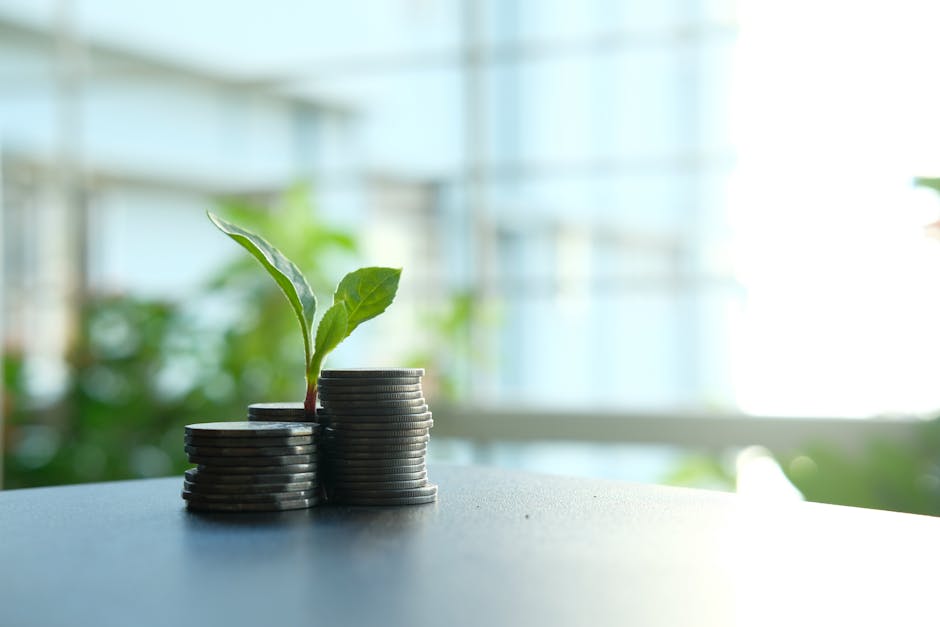
Photo by Towfiqu barbhuiya on Pexels
Sustainable production isn't about sacrificing profit. In fact, it often leads to cost savings through efficiency gains (less waste, lower energy bills) and opens new market opportunities for eco-friendly products. It can also improve brand reputation and attract socially conscious investors and customers. The goal is long-term economic stability, not just short-term gains.
2.3 Social Equity

Photo by Artem Podrez on Pexels
This dimension focuses on the impact of production on people. It includes fair labor practices, safe working conditions, community engagement, and ensuring products are accessible and beneficial to society. It's about respecting human rights throughout the supply chain and contributing positively to local communities.
graph TD
    A["Sustainable Production"] --> B["Environmental Impact"]
    A --> C["Economic Viability"]
    A --> D["Social Equity"]

    B --> B1["Resource Conservation"]
    B --> B2["Pollution Reduction"]
    B --> B3["Waste Minimization"]
    B --> B4["Ecosystem Protection"]

    C --> C1["Cost Savings (Efficiency)"]
    C --> C2["Market Opportunities (Green Products)"]
    C --> C3["Brand Reputation & Investment"]
    C --> C4["Long-term Profitability"]

    D --> D1["Fair Labor Practices"]
    D --> D2["Safe Working Conditions"]
    D --> D3["Community Engagement"]
    D --> D4["Product Accessibility & Benefit"]
2.4 Lifecycle Thinking
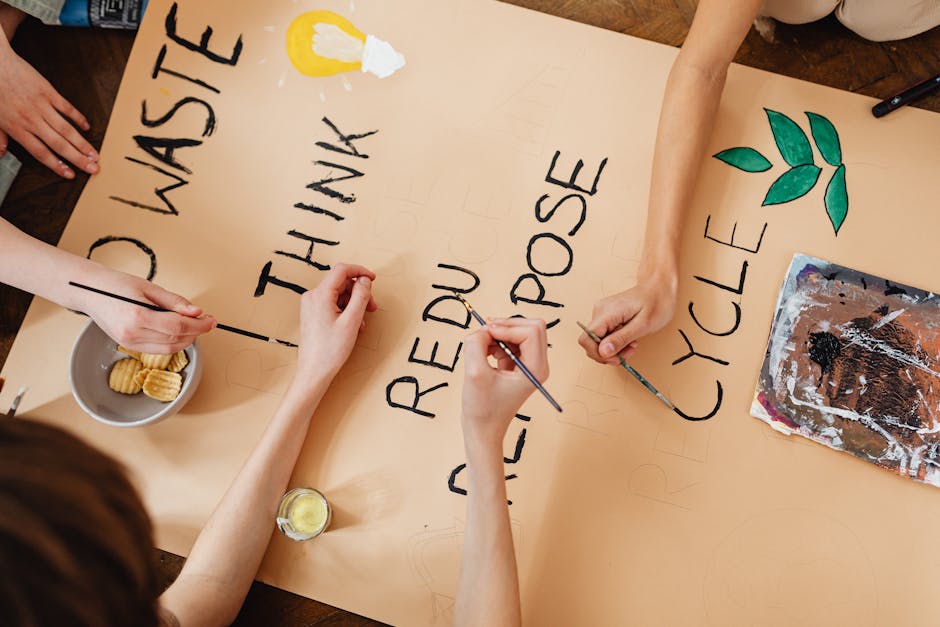
Photo by https://kaboompics.com/ on Pexels
A crucial aspect of sustainable production is looking at the entire lifecycle of a product, from raw material extraction, through manufacturing, transport, use, and finally, disposal or recycling. This helps identify where the biggest impacts occur and where improvements can be made. For example, a "green" product might have a high environmental impact during raw material extraction if not sourced sustainably.
3. Worked Example
Imagine you're running a small t-shirt company.
Traditional Approach: You buy cheap cotton from an unknown source, dye shirts using conventional methods, package them in plastic, and ship them globally with no thought for fuel efficiency. Your factory workers are paid minimum wage with long hours.
Sustainable Production Approach:
1. Environmental: You source organic cotton from a certified farm known for using less water and no harmful pesticides. You switch to low-impact, non-toxic dyes and use a closed-loop water system in your dyeing process. Your factory runs on solar panels. Packaging is made from recycled paper.
2. Economic: While organic cotton costs more initially, your water and energy bills are lower. Your brand attracts premium customers willing to pay more for ethical products, boosting sales. You might even get tax breaks for using renewable energy.
3. Social: Your factory provides fair wages, safe working conditions, and benefits for employees. You partner with a local charity to donate unsold shirts. You transparently communicate your supply chain to customers.
This holistic approach shows how environmental, economic, and social factors are intertwined in sustainable production.
4. Key Takeaways
- Sustainable production balances environmental protection, economic viability, and social equity.
- It involves looking at a product's entire lifecycle, from creation to disposal.
- Reducing waste and energy consumption often leads to cost savings and increased efficiency.
- Adopting sustainable practices can improve brand reputation and open new market opportunities.
- Fair labor practices and community engagement are as critical as environmental concerns.
- It's a continuous process of improvement, not a one-time fix.
Common Mistakes to Avoid:
- Greenwashing: Don't just claim to be sustainable without concrete actions or evidence.
- Ignoring the supply chain: Focusing only on your own operations while ignoring impacts upstream (suppliers) or downstream (disposal) is incomplete.
- Viewing it as a cost center only: Sustainable practices often become profit drivers in the long run.
- Overlooking social aspects: Sustainability isn't just about the planet; it's also about people.
5. Now Try It
Choose a common product you use daily (e.g., a smartphone, a coffee cup, a pair of jeans). Spend 15 minutes thinking through its lifecycle from a sustainable production perspective. Identify at least two potential environmental impacts, two economic considerations for its producers, and two social impacts along its journey. Where could improvements be made for a more sustainable version of that product?
Frequently asked about Introduction to Sustainable Production
Get the full Sustainable production curriculum
Clone the complete plan to your dashboard for unlimited AI-generated notes, practice quizzes, and a personalised revision schedule.
Create Free Account