The Historical Evolution of Globalization
From the Contemporary world curriculum
TL;DR
Globalization isn't a new phenomenon; it's a long, complex process that has transformed how societies interact over centuries. It's driven by advancements in technology, trade, and cultural exchange, leading to increased interconnectedness across the globe. Understanding its historical roots helps us grasp its current challenges and future trajectory.
1. The Mental Model
Think of globalization as a constantly expanding web connecting people, ideas, and goods worldwide. This web has grown in size and complexity over millennia, driven by various "spiders" (technological innovations) and the increasing desire for "flies" (resources, markets, and cultural exchange).
2. The Core Material
Globalization is the process of increasing interdependence and integration among people, businesses, and governments worldwide. It's characterized by the flow of goods, services, capital, technology, and information across national borders. While the term "globalization" became popular in the 20th century, its roots stretch back much further.
Early Forms of Globalization (Pre-1500)
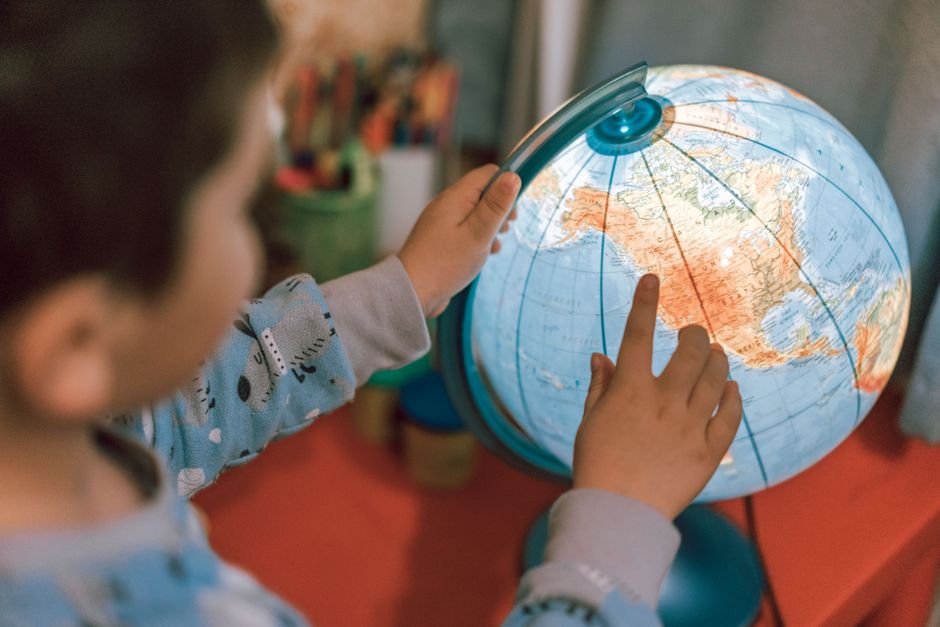
Photo by Atlantic Ambience on Pexels
Long before modern nations existed, various forms of interconnectedness shaped human societies. This period saw the rise of major trade routes and empires, facilitating the exchange of goods, ideas, and even diseases.
- Ancient Trade Networks: Routes like the Silk Road connected East and West, exchanging spices, textiles, technologies (like papermaking), and religious beliefs. The Roman Empire's vast network also facilitated trade and cultural diffusion across Europe and North Africa.
- Migrations and Empires: Large-scale human migrations spread languages, technologies, and agricultural practices. Empires, by their very nature, consolidated diverse regions under single rule, often imposing common administrative systems and fostering cultural exchange.
- Religious Expansion: The spread of major religions like Buddhism, Christianity, and Islam across continents established shared belief systems and cultural practices over vast areas.
The Age of Discovery and Mercantilism (1500-1800)

Photo by Ylanite Koppens on Pexels
This era marked a significant acceleration in globalization, largely driven by European exploration and colonization.
- Oceanic Voyages: Explorers like Columbus and Magellan established direct sea routes between continents, fundamentally changing trade patterns. This led to the "Columbian Exchange," a massive transfer of plants, animals, diseases, and people between the Old and New Worlds.
- Colonialism: European powers established vast colonial empires, extracting resources from colonized territories and establishing new markets for their goods. This created a highly unequal global economic system.
- Mercantilism: This economic theory emphasized accumulating wealth (gold and silver) through a positive balance of trade, leading to intense competition among European powers and the exploitation of colonies.
The Industrial Revolution and Imperialism (1800-WWI)

Photo by T6 Adventures on Pexels
Technological advancements during the Industrial Revolution dramatically increased the scale and speed of global interactions.
- Technological Innovations: The steam engine, telegraph, and later the railway and steamship, revolutionized transport and communication, making long-distance trade faster and cheaper.
- Mass Production: Factories produced goods on an unprecedented scale, requiring new markets and raw materials from around the world.
- New Imperialism: Industrialized nations competed for colonies to secure raw materials, new markets, and strategic advantages, further integrating vast regions into a global economic system, often through force.
Interwar Period and Deglobalization (1914-1945)
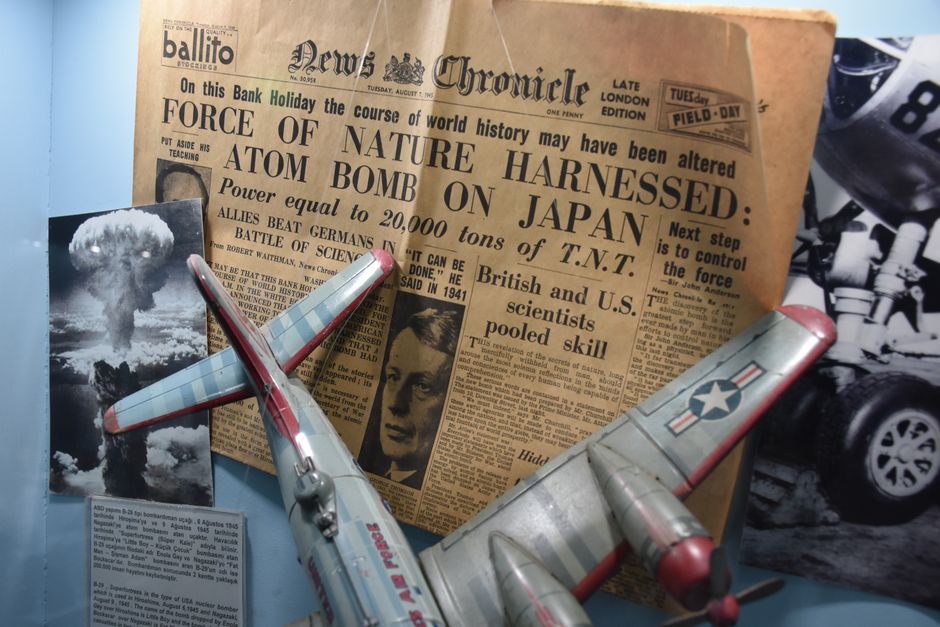
Photo by TOLGA AKAGÜN on Pexels
World Wars and economic crises led to a period of reduced global integration.
- World Wars: Conflicts disrupted trade, destroyed infrastructure, and led to protectionist policies.
- Great Depression: Economic collapse led many countries to turn inward, imposing high tariffs and restricting international trade to protect domestic industries.
Post-WWII and the Rise of Modern Globalization (1945-Present)
After WWII, there was a deliberate effort to rebuild the global economy and prevent future conflicts through international cooperation.
- Bretton Woods Institutions: The creation of the World Bank, International Monetary Fund (IMF), and later the General Agreement on Tariffs and Trade (GATT, now WTO) aimed to stabilize the global financial system and promote free trade.
- Technological Revolution (Digital Age): The internet, personal computers, and mobile technology have exponentially increased the speed and volume of information and capital flows, enabling truly global supply chains and instant communication.
- Rise of Multinational Corporations (MNCs): Companies operate across many countries, integrating production processes globally and influencing international policy.
- Regional Blocs: Organizations like the European Union (EU) and NAFTA (now USMCA) facilitate trade and economic integration among member states.
graph TD
    A["Ancient Trade Networks (Silk Road, Roman Empire)"] --> B["Age of Discovery (1500s)"]
    B --> C["Columbian Exchange (Plants, Animals, Diseases, People)"]
    C --> D["Mercantilism & Colonialism (16th-18th Century)"]
    D --> E["Industrial Revolution (18th-19th Century)"]
    E --> F["Technological Advancements (Steam Power, Telegraph)"]
    F --> G["New Imperialism & Global Market Integration (Late 19th Century)"]
    G --> H["World Wars & Economic Nationalism (1914-1945)"]
    H --> I["Post-WWII Reconstruction (Bretton Woods Institutions)"]
    I --> J["Digital Revolution & MNCs (Late 20th Century - Present)"]
    J --> K["Hyper-Globalization (Interconnected Economies, Cultures)"]
3. Worked Example
Let's look at the Columbian Exchange as a pivotal moment. Before 1492, the Americas and Afro-Eurasia developed largely in isolation. When Europeans arrived, a vast exchange began:
- From Americas to Afro-Eurasia: Potatoes, tomatoes, corn, chili peppers, tobacco, cocoa, turkeys, syphilis.
- From Afro-Eurasia to Americas: Wheat, rice, coffee, horses, cattle, pigs, smallpox, measles, Christianity, iron tools.
Consider the potato. It became a staple crop in Ireland and other parts of Europe, significantly boosting populations due to its high caloric content. Conversely, diseases like smallpox, brought by Europeans, decimated indigenous populations in the Americas, leading to massive demographic shifts. This example illustrates how globalization, even in its early forms, had profound and often unequal impacts on different societies, reshaping diets, economies, cultures, and demographics globally.
4. Key Takeaways
- Globalization is a continuous, long-term process, not just a modern phenomenon.
- Technological innovation consistently drives new phases of global interconnectedness.
- Economic motives, like trade and resource acquisition, have always been central to globalization.
- Political structures, such as empires and international organizations, significantly shape global interactions.
- Globalization has consistently brought both opportunities (e.g., new goods, ideas) and challenges (e.g., disease, inequality).
- Periods of deglobalization, like the interwar years, show that global integration isn't always linear.
- Understanding the past helps us analyze current global events and future trends.
Common Mistakes to Avoid
- Thinking globalization began with the internet or modern transportation.
- Viewing globalization as solely an economic process, ignoring its cultural, social, and political dimensions.
- Assuming globalization always leads to positive outcomes for everyone involved.
- Underestimating the role of conflict and disease in shaping global historical patterns.
- Forgetting that different regions experience globalization differently and at varying paces.
5. Now Try It
Take 15 minutes to research another significant historical example of globalization from before the 20th century. Focus on one specific product, idea, or group of people. Describe its origins, how it spread globally, and at least two distinct impacts (one positive, one negative) it had on the societies it touched.
Success looks like: You can clearly articulate the item you chose, trace its global journey, and explain specific historical consequences, showing your understanding that globalization has deep and complex roots.
Frequently asked about The Historical Evolution of Globalization
Study this next
Get the full Contemporary world curriculum
Clone the complete plan to your dashboard for unlimited AI-generated notes, practice quizzes, and a personalised revision schedule.
Save this course free