The Economic Dimensions of Globalization: Trade and Capital
From the Contemporary world curriculum
TL;DR
Globalization profoundly reshapes economies through increased international trade and capital flows, making countries more interconnected. This leads to both economic growth and challenges like job displacement and financial instability. Understanding these forces helps us grasp why nations cooperate and compete on a global scale.
1. The Mental Model
Think of the global economy as a giant, interconnected web. Trade is like goods and services flowing across the strands, while capital is money moving between countries, fueling investments and business.
2. The Core Material
Globalization, in its economic sense, refers to the increasing interdependence of world economies. This interdependence happens mainly through two channels: international trade and capital flows.
Trade: Goods, Services, and Ideas
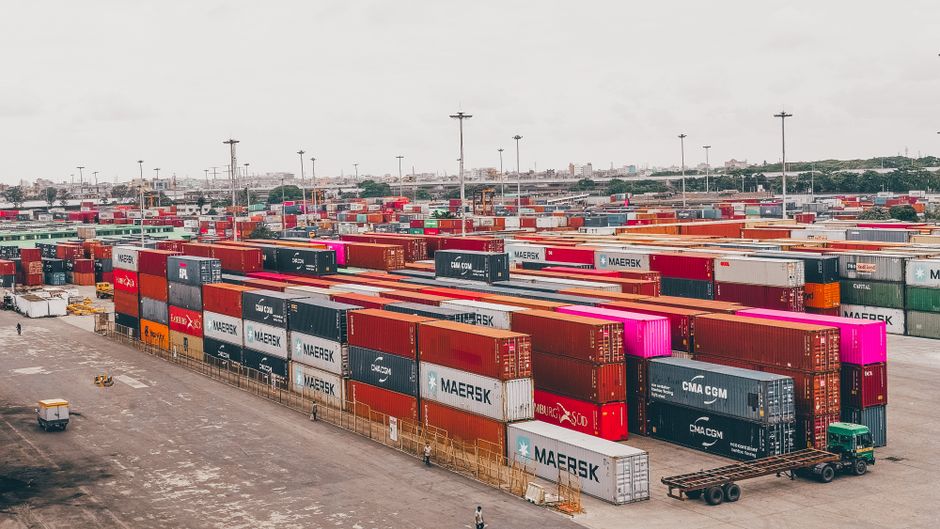
Photo by Md Sihabul Islam on Pexels
International trade involves countries exchanging goods and services. It's not just about selling things abroad; it also includes buying raw materials, components, and even intellectual property (like patents or software licenses) from other nations.
Why do countries trade? The main reason is comparative advantage. This means a country can produce a good or service at a lower opportunity cost than another country. Even if a country is better at producing everything (absolute advantage), it still benefits from specializing in what it's relatively best at and trading for the rest. This specialization leads to greater efficiency, lower prices, and a wider variety of goods for consumers.
For example, if Country A is great at making cars and Country B is great at making textiles, both benefit if A focuses on cars and B on textiles, then they trade. Without trade, consumers in both countries would have fewer choices or pay more.
Trade isn't always smooth, though. Issues like tariffs (taxes on imports), quotas (limits on import quantities), and subsidies (government support for domestic industries) can restrict trade. These policies are often used to protect domestic industries or address trade imbalances.
Capital Flows: Money on the Move

Photo by Monstera Production on Pexels
Capital flows refer to the movement of money for investment or lending across national borders. There are a few main types:
- Foreign Direct Investment (FDI): When a company invests directly in another country, like building a factory or buying a controlling stake in a foreign company. This is usually a long-term commitment.
- Portfolio Investment: Buying stocks or bonds in a foreign country. This is often more short-term and easily reversible.
- Loans and Aid: Governments or international organizations lending money to other countries, or providing financial assistance.
Capital flows are crucial because they can finance investments, create jobs, and transfer technology. Developing countries often rely on foreign capital to fund infrastructure projects or industrial expansion. However, large, sudden capital outflows (often called "capital flight") can destabilize a country's economy, leading to currency crashes or financial crises.
Here's how trade and capital flows are interconnected:
graph TD
    A["Increased Global Integration"] --> B["Reduced Trade Barriers (e.g., tariffs)"]
    B --> C["Increased International Trade"]
    C --> D["Specialization & Efficiency"]
    D --> E["Economic Growth (potential)"]

    A --> F["Financial Liberalization (easier money movement)"]
    F --> G["Increased Capital Flows"]
    G --> H["Investment & Development (potential)"]
    G --> I["Financial Volatility (risk)"]

    C --> J["Interdependence & Supply Chains"]
    H --> J
    I --> J
Drivers of Economic Globalization

Photo by RDNE Stock project on Pexels
Several factors have accelerated economic globalization:
- Technological Advancements: Better transportation (container shipping, air cargo) and communication (internet, fiber optics) have drastically reduced the cost and time of moving goods, services, and information globally.
- Policy Liberalization: Many countries have reduced trade barriers (tariffs, quotas) and opened up their financial markets, often under the influence of organizations like the World Trade Organization (WTO) and the International Monetary Fund (IMF).
- Multinational Corporations (MNCs): These large companies operate in many countries, sourcing materials, producing goods, and selling them across borders, creating complex global supply chains.
3. Worked Example
Let's consider the impact of globalization on the smartphone industry.
A company like Apple designs its iPhones in the US. However, key components come from various countries: display screens from South Korea, camera modules from Japan, microchips from Taiwan, and rare earth metals from China. The final assembly often happens in China. Then, these finished iPhones are shipped and sold globally.
This process demonstrates both trade and capital flows. Apple engages in massive international trade by sourcing components and then exporting finished products. It also makes significant Foreign Direct Investment (FDI) by funding factories and operations in other countries (or contracting with companies that do). Capital flows also happen when international investors buy Apple's stock or when Apple borrows money from global banks.
This globalized production chain allows Apple to leverage the comparative advantages of different countries (e.g., specialized manufacturing in Asia, design expertise in the US). It results in a complex global supply chain, allowing for lower production costs and a more affordable (though still premium) product for consumers worldwide.
4. Key Takeaways
- Globalization's economic dimension primarily involves international trade and capital flows.
- Comparative advantage drives countries to specialize and trade, leading to economic benefits.
- Capital flows (like FDI and portfolio investment) fund development but also carry financial risks.
- Technological advancements and policy liberalization are major drivers of economic globalization.
- Global supply chains demonstrate the deep integration of trade and capital across borders.
Common Mistakes to Avoid:
- Don't confuse absolute advantage (being better at everything) with comparative advantage (being relatively better at something). The latter is why trade is beneficial for everyone.
- Don't assume globalization is purely beneficial; it creates winners and losers and can lead to instability.
- Don't forget that economic globalization is driven by both private companies (MNCs) and government policies.
- Don't think of trade and capital flows as separate; they are highly interconnected and influence each other.
5. Now Try It
Spend 15 minutes researching a common product you use daily (e.g., your shoes, coffee, or laptop). Try to identify at least three different countries involved in its production, from raw materials to final assembly. Then, briefly explain how international trade and capital flows likely played a role in bringing that product to you. What does this tell you about the interconnectedness of the global economy?
Frequently asked about The Economic Dimensions of Globalization: Trade and Capital
Study this next
Get the full Contemporary world curriculum
Clone the complete plan to your dashboard for unlimited AI-generated notes, practice quizzes, and a personalised revision schedule.
Save this course free