Social Stratification, Inequality, and Mobility
From the understanding culture, society, and political science curriculum
TL;DR
Social stratification refers to how societies categorize people into hierarchies based on factors like wealth, power, and prestige. This leads to social inequality, where some groups have more resources and opportunities than others. Social mobility describes how individuals or groups move up or down these social hierarchies over time.
1. The Mental Model
Imagine society as a multi-story building. Some people live in the penthouse with all the amenities, others in the middle floors with decent access, and some in the basement with limited resources. Social stratification is about the design of that building, inequality is about the differences in living conditions, and mobility is about how easy or hard it is to move between floors.
2. The Core Material
When we talk about social stratification, we're looking at how societies arrange their members into layers or "strata." These layers aren't random; they're based on things society values, like how much money you have, the job you do, or even your family name. This layering creates a hierarchy where some groups have more status, power, and resources than others.
Key Dimensions of Stratification

Photo by Steve A Johnson on Pexels
Sociologists often look at three main dimensions, sometimes called "Weber's three Ps," to understand social stratification:
- Property (Wealth and Income):
- Wealth is the total value of everything someone owns (assets like property, stocks, savings) minus their debts. It's a stock.
- Income is money earned from work, investments, or government payments over a period (like a year). It's a flow.
- People with more wealth and higher incomes generally occupy higher strata.
- Power: This is the ability to influence others or control resources, even against resistance. It can come from political office, economic control, or social status.
- Prestige: This refers to the respect or admiration that a person or status position commands in society. It's often linked to occupation (e.g., doctors and professors often have high prestige).
Types of Stratification Systems

Photo by Dung Nguyen on Pexels
Societies use different systems to stratify their members:
- Slavery: An extreme form where individuals are owned as property.
- Caste Systems: Social position is determined by birth (ascribed status) and is usually lifelong. There's little to no social mobility. Think of historical India's caste system.
- Estate Systems (Feudalism): Common in medieval Europe, social standing was based on land ownership and birth. Divided into nobility, clergy, and peasants.
- Class Systems: Based on both birth and individual achievement. It's more open than caste or estate systems, allowing for greater social mobility. This is the dominant system in most modern industrial societies.
Social Inequality
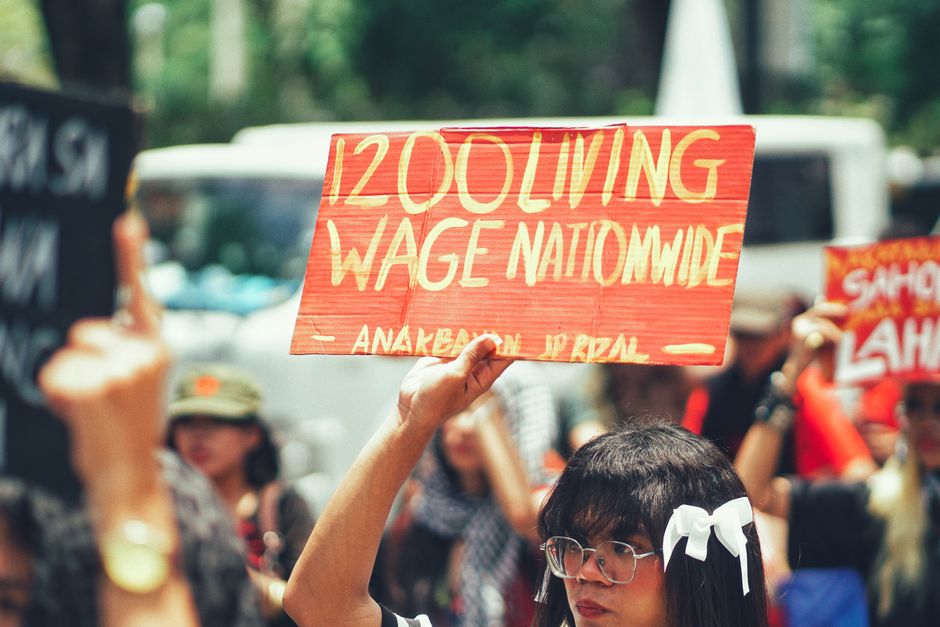
Photo by Mico Medel on Pexels
Social inequality is the unequal distribution of resources, opportunities, rewards, and punishments within a society. It's the result of social stratification. When some groups consistently have better access to education, healthcare, housing, or jobs, while others struggle, that's social inequality in action.
Inequality isn't just about money; it also extends to:
* Health: Poorer health outcomes for lower-income groups.
* Education: Unequal access to quality schooling.
* Justice: Disparities in how different groups are treated by the legal system.
* Political Participation: Differences in influence over political decisions.
Social Mobility

Photo by Gustavo Fring on Pexels
Social mobility is the movement of individuals, families, or groups within or between social strata in a society. It can be:
- Upward Mobility: Moving to a higher social stratum (e.g., getting a promotion, earning a degree that leads to a better job).
- Downward Mobility: Moving to a lower social stratum (e.g., losing a job, experiencing a significant pay cut).
- Horizontal Mobility: Moving between positions of similar social status (e.g., changing jobs but maintaining the same income and prestige level).
We can also look at mobility in different ways:
- Intergenerational Mobility: Changes in social status between different generations within the same family (e.g., a child achieving a higher social status than their parents).
- Intragenerational Mobility: Changes in social status within an individual's lifetime (e.g., someone starting as a junior clerk and becoming a CEO).
Here's how these concepts link together:
graph TD
    A["Societal Values (e.g., merit, wealth, birth)"] --> B["Social Stratification (Hierarchical Layers)"]
    B --> C["Unequal Distribution of Resources & Opportunities"]
    C --> D["Social Inequality"]
    B --> E["Potential for Social Mobility (Movement between layers)"]
    E -- "Can be Upward, Downward, or Horizontal" --> F["Individual & Group Life Chances"]
    D -- "Can influence" --> F
    F -- "Can influence" --> B
3. Worked Example
Imagine two families, the Smiths and the Joneses, in a modern class-based society.
The Smiths:
* Parents: Both work in manufacturing jobs, earning a combined income of $70,000 per year. They rent a modest apartment and have some savings.
* Children: Their daughter, Sarah, gets excellent grades, receives a scholarship to a prestigious university, and graduates with an engineering degree. She then gets a job earning $95,000 per year, buys her own home, and invests in the stock market.
* Analysis: The Smith parents are in the working class. Sarah experiences upward intergenerational mobility by moving into a higher professional class compared to her parents. She also experiences upward intragenerational mobility as her career progresses.
The Joneses:
* Parents: Both are successful corporate lawyers, earning a combined income of $500,000 per year. They own a large house, have significant investments, and send their children to private schools.
* Children: Their son, David, struggles in school, drops out of college, and has difficulty holding down a stable job. He ends up working in retail, earning $35,000 per year, and lives in a shared apartment.
* Analysis: The Jones parents are in the upper-middle class. David experiences downward intergenerational mobility as his social status is significantly lower than his parents'. He also experiences downward intragenerational mobility if he moves from more promising early career prospects to less stable work.
This example shows how even in a class system, where opportunity is theoretically more open, both upward and downward mobility can occur, illustrating the dynamic nature of social stratification.
4. Key Takeaways
- Social stratification is the hierarchical arrangement of social groups based on factors like wealth, power, and prestige.
- Social inequality is the uneven distribution of resources and opportunities that results from stratification.
- Class systems, common today, allow for more social mobility than caste or estate systems.
- Social mobility describes movement up or down the social hierarchy, either within a person's lifetime (intragenerational) or across generations (intergenerational).
- Wealth refers to total assets, while income is the flow of earnings over time; both are crucial for understanding economic standing.
- Power is the ability to influence others, and prestige is the respect accorded to a status or occupation.
- Social inequality has broad impacts on life chances, including health, education, and justice.
Common Mistakes to Avoid:
- Don't confuse social stratification (the system of layers) with social inequality (the outcome of unequal distribution).
- Don't assume all mobility is upward; downward mobility is also a significant social phenomenon.
- Don't think of class as just about money; power and prestige are also critical components.
- Don't ignore the difference between wealth (stock) and income (flow); someone can have high income but low wealth if they spend everything.
5. Now Try It
Think about your own family's social standing across three generations (your grandparents, your parents, and yourself). Consider factors like typical occupations, education levels, housing, and general economic well-being for each generation. Then, write a short paragraph explaining what type of social mobility (upward, downward, horizontal, intergenerational) you observe within your family's history, and what factors might have contributed to those movements. What would success look like? You'd be able to clearly identify shifts in status and connect them to specific life events or societal changes.
Frequently asked about Social Stratification, Inequality, and Mobility
Study this next
Get the full understanding culture, society, and political science curriculum
Clone the complete plan to your dashboard for unlimited AI-generated notes, practice quizzes, and a personalised revision schedule.
Save this course free