Cultural Dynamics and Human Evolution
From the understanding culture, society, and political science curriculum
TL;DR
Culture isn't just something humans have; it's a fundamental part of our evolutionary journey, shaping how we adapt and survive. It evolves through social learning and accumulation, directly influencing our biology and behavior. Understanding this dynamic helps us see how our past built our present.
1. The Mental Model
Think of culture as an extra layer of inheritance, passed down not through genes, but through learning and teaching. This cultural inheritance then interacts with our genetic inheritance, creating a continuous loop of co-evolution. It's like a software upgrade for our biological hardware.
2. The Core Material
You might think of evolution as purely biological, driven by genes. But for humans, culture plays a massive role. It's not just art or customs; it's our tools, our language, our social structures, and even our shared knowledge of how to survive in different environments. This "cultural toolkit" allows us to adapt much faster than genetic changes alone.
How Culture Evolves
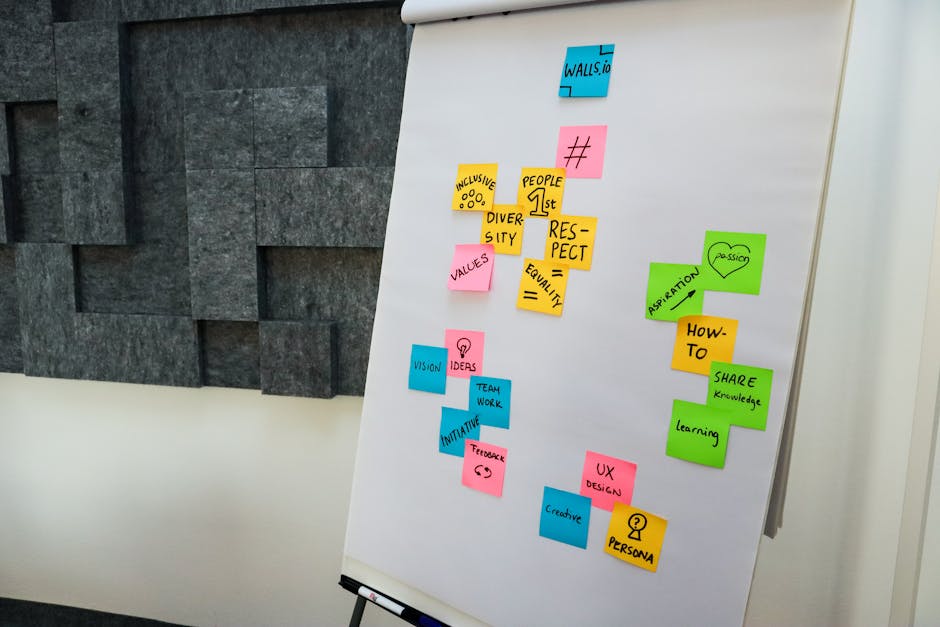
Photo by Walls.io on Pexels
Cultural evolution isn't random; it follows patterns. We learn from others, innovate, and then pass those innovations on. This process, often called social learning, is key. Think about learning to tie your shoelaces: someone showed you, you practiced, and now you can do it. Multiply that by millions of people over thousands of years, and you get incredibly complex cultural systems.
Here's how cultural transmission works:
graph TD
    A["Individual/Group Innovates"] --> B["Knowledge/Skill Shared (Social Learning)"];
    B --> C["Others Adopt/Modify"];
    C --> D["New Cultural Trait Spreads"];
    D --> E["Accumulation & Refinement Over Generations"];
    E --> A;
This cycle shows how cultural traits, from how to hunt mammoths to how to build skyscrapers, are continually developed and passed on. This accumulation of knowledge is what makes human culture so powerful.
Gene-Culture Co-evolution
Photo by Pixabay on Pexels
This is where it gets really interesting. Our genes don't just dictate our culture; our culture can also influence which genes are beneficial. For example, dairy farming (a cultural innovation) created a selective pressure for individuals who could digest lactose into adulthood. So, the ability to digest milk (a genetic trait) became more common in populations with a long history of dairy farming.
Another example is cooking. Once humans started cooking food (a cultural practice), it made food easier to digest, meaning we could get more energy with less effort. This, in turn, likely influenced the evolution of our digestive systems and even our brain size, as we had more energy available for brain development.
So, it's a two-way street: our biological traits enable certain cultural behaviors, and those cultural behaviors then put pressure on our genes, leading to further biological adaptation.
3. Worked Example
Let's consider the development of language. Early humans likely started with very basic forms of communication. As this cultural trait (language) became more complex and essential for cooperation (e.g., coordinating hunts, sharing knowledge), there was a strong selective pressure for individuals with brains better equipped for language processing. Over many generations, this led to changes in brain structure (like Broca's and Wernicke's areas) that made complex language possible.
In turn, having more sophisticated language allowed for even more complex cultural innovations, like storytelling, detailed instruction, and abstract thought. This created a positive feedback loop: better language led to smarter brains, which led to even better language. It's a prime example of gene-culture co-evolution in action.
4. Key Takeaways
- Culture acts as a rapid adaptation mechanism for humans, much faster than genetic evolution.
- Social learning is the primary way cultural traits are transmitted and accumulated.
- Gene-culture co-evolution describes the continuous feedback loop between our biology and our cultural practices.
- Cultural innovations like tools, fire, and language have directly shaped our physical and cognitive evolution.
- Our ability to learn from others and build upon past knowledge is a uniquely human strength.
- Culture isn't static; it's constantly evolving and influencing our species.
Common Mistakes to Avoid:
- Don't see culture as entirely separate from biology; they're deeply intertwined.
- Avoid thinking of cultural evolution as "better" or "worse," but rather as adaptive to specific environments.
- Don't assume all cultural change is progress; sometimes cultural traits can be maladaptive.
- Don't forget that individual innovation is crucial for starting new cultural trends.
5. Now Try It
For the next 15 minutes, pick a common human cultural practice (e.g., wearing clothes, farming, building shelters, using money). Think about how this practice might have first emerged. Then, consider how it could have influenced human biology or social structures over time. What specific biological traits might have been selected for because of this cultural practice? What new cultural practices might have arisen as a result?
Success looks like you identifying at least one clear example of how the cultural practice you chose could have influenced human biology or social structure, and vice-versa, demonstrating an understanding of gene-culture co-evolution.
Frequently asked about Cultural Dynamics and Human Evolution
Study this next
Get the full understanding culture, society, and political science curriculum
Clone the complete plan to your dashboard for unlimited AI-generated notes, practice quizzes, and a personalised revision schedule.
Save this course free