Market Regulation, Ethics, and Contemporary Issues
From the Financial markets (BSA) curriculum
TL;DR
Financial markets need rules (regulation) to prevent chaos and ensure fairness. Ethical behavior goes beyond just following rules, focusing on what's right. Modern issues like technology and globalization constantly challenge how we regulate and act ethically.
1. The Mental Model
Think of financial markets like a complex game. Regulation sets the rules to keep the game fair and stable. Ethics are like the players' sportsmanship, guiding them to play honorably even when no one's watching.
2. The Core Material
Market regulation, ethics, and contemporary issues are deeply intertwined. Regulation aims to protect investors, maintain market integrity, and prevent systemic risks. Ethical conduct is the bedrock upon which trust in financial markets is built.
2.1 Why Regulation?
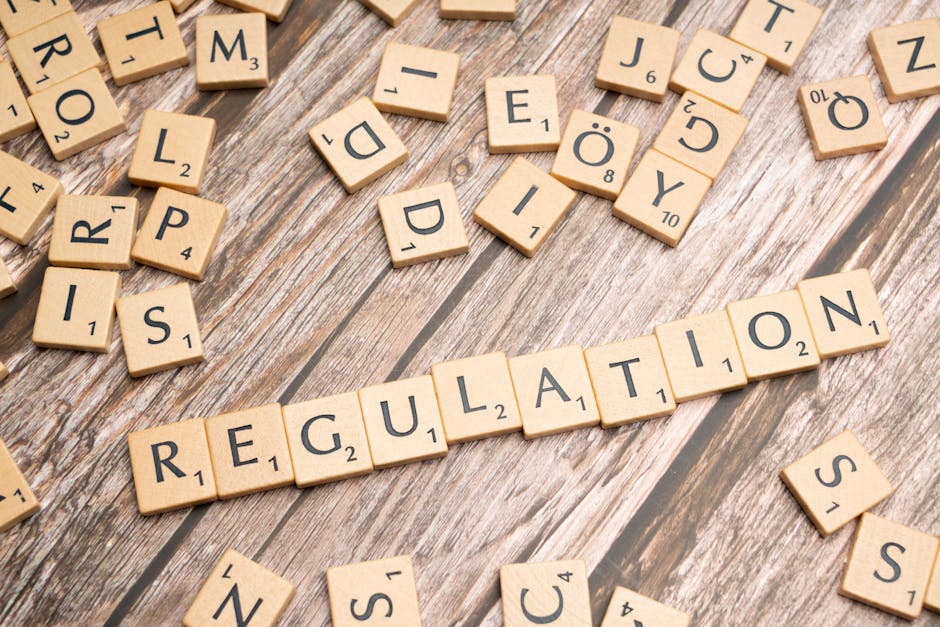
Photo by Markus Winkler on Pexels
Regulation exists to correct market failures. These failures include:
* Information asymmetry: One party knows more than the other (e.g., a company executive selling shares before bad news is public). Regulation tries to level the playing field through disclosure rules.
* Externalities: Actions of one party affect others not directly involved (e.g., a bank taking excessive risks that threaten the entire financial system).
* Systemic risk: The risk that the failure of one institution could trigger a cascade of failures across the entire system.
Regulators enforce laws through various bodies, like the SEC (Securities and Exchange Commission) in the US, and through directives like MiFID II in Europe. Their tools include licensing, disclosure requirements, capital adequacy rules, and enforcement actions.
2.2 Ethics in Finance

Photo by Towfiqu barbhuiya on Pexels
Ethics goes beyond compliance. It's about doing the right thing, even when it's not legally required or when no one's watching. Key ethical principles include:
* Fiduciary duty: Acting in the best interests of your client.
* Transparency: Being open and honest.
* Fairness: Treating all participants equitably.
* Integrity: Adhering to moral and ethical principles.
Ethical lapses often lead to regulatory crackdowns. Think of scandals like Enron or the 2008 financial crisis; they highlighted significant ethical failures that then prompted new regulations.
2.3 Contemporary Issues

Photo by Aditya Kunwar Singh on Pexels
The financial landscape is always changing. Current challenges demand new approaches to regulation and ethics:
* Technological advancements:
* Fintech: Innovations like mobile banking, robo-advisors, and blockchain (cryptocurrencies) challenge existing regulatory frameworks. How do you regulate a decentralized market?
* Algorithmic trading: High-frequency trading (HFT) and AI-driven strategies can create flash crashes or give unfair advantages.
* Cybersecurity: Protecting financial data and systems from attacks is paramount.
* Globalization: Financial markets are interconnected. Actions in one country can quickly impact others, requiring international cooperation in regulation.
* ESG (Environmental, Social, and Governance): Investors are increasingly concerned with how companies impact the world. Regulators are starting to consider mandating ESG disclosures, and ethical investing is gaining traction.
Here's a look at how regulation, ethics, and contemporary issues interact:
graph TD
    A["Market Failures (e.g., Asymmetry, Systemic Risk)"] --> B["Demand for Regulation"]
    B --> C["Regulatory Bodies (e.g., SEC, ESMA)"]
    C --> D["Regulatory Tools (e.g., Disclosure, Capital Req's)"]
    D --> E["Market Integrity & Stability"]

    F["Ethical Principles (e.g., Fiduciary Duty, Fairness)"] --> G["Individual & Corporate Conduct"]
    G --> H{"Impact on Trust & Reputation"}
    H -- "Positive" --> E
    H -- "Negative (e.g., Scandals)" --> B

    I["Contemporary Issues (e.g., Fintech, ESG, AI)"] --> J["New Regulatory Challenges"]
    I --> K["New Ethical Dilemmas"]

    J --> C
    K --> F

    E -- "Supports" --> H
3. Worked Example
Let's consider a practical example: Insider Trading.
You're an analyst at a bank. You overhear a senior executive discussing a highly confidential, upcoming merger that will significantly boost the target company's stock price.
- Ethical dilemma: You now possess material non-public information. Using this to buy shares of the target company before the announcement would be highly profitable.
- Regulatory violation: This is a clear case of insider trading, which is illegal. The SEC's rules prohibit trading on such information.
- Consequences: If caught, you'd face severe penalties: substantial fines, disgorgement of profits, potential prison time, and a permanent ban from the securities industry. Even if you didn't trade yourself but tipped off a friend, both you and your friend could be liable.
- Ethical choice: The ethical choice is to not trade on this information and not share it with anyone. Your fiduciary duty to your employer and the market integrity demands this.
This scenario highlights how a clear ethical lapse directly translates into a regulatory violation with serious consequences, impacting market fairness and investor trust.
4. Key Takeaways
- Regulation aims to correct market failures, protect investors, and maintain systemic stability.
- Ethical behavior goes beyond just legal compliance, focusing on principles like fairness and integrity.
- Information asymmetry and systemic risk are primary drivers for market regulation.
- Contemporary issues like technological advancements (Fintech, AI) and globalization constantly challenge existing regulatory frameworks.
- ESG factors are increasingly influencing both ethical considerations and regulatory discussions in finance.
- Fiduciary duty means always acting in the best interest of your client.
Common Mistakes to Avoid:
- Don't confuse legal with ethical; something can be legal but still unethical.
- Assuming regulations are static; they evolve constantly in response to market changes and crises.
- Believing that technology automatically improves markets; it can also introduce new risks and ethical dilemmas.
- Underestimating the long-term impact of ethical lapses on trust and reputation.
5. Now Try It
Imagine you're advising a small startup that uses AI to offer personalized financial advice. Spend 15 minutes outlining three key regulatory or ethical challenges they might face. For each challenge, suggest one practical step they could take to address it.
What success looks like: You should be able to clearly identify the challenge (e.g., data privacy, algorithmic bias, licensing requirements) and provide a concrete, actionable solution (e.g., implement robust encryption, conduct regular algorithm audits, apply for relevant licenses).
Frequently asked about Market Regulation, Ethics, and Contemporary Issues
Study this next
Get the full Financial markets (BSA) curriculum
Clone the complete plan to your dashboard for unlimited AI-generated notes, practice quizzes, and a personalised revision schedule.
Save this course free