Foundations of Financial Markets
From the Financial markets (BSA) curriculum
TL;DR
Financial markets are essential platforms where money is exchanged to fund economic activity and manage risk. They connect those with surplus funds (savers) to those who need funds (borrowers), facilitating capital allocation. Understanding these markets helps you make informed personal and business financial decisions.
1. The Mental Model
Think of financial markets as specialized marketplaces. Instead of buying goods, you're "buying" or "selling" money, promises of future money, or ways to protect yourself from future financial surprises. This happens so businesses can grow and individuals can achieve their financial goals.
2. The Core Material
Financial markets are the backbone of modern economies. They perform several crucial functions that allow capital to flow efficiently and risk to be managed.
What are Financial Markets?
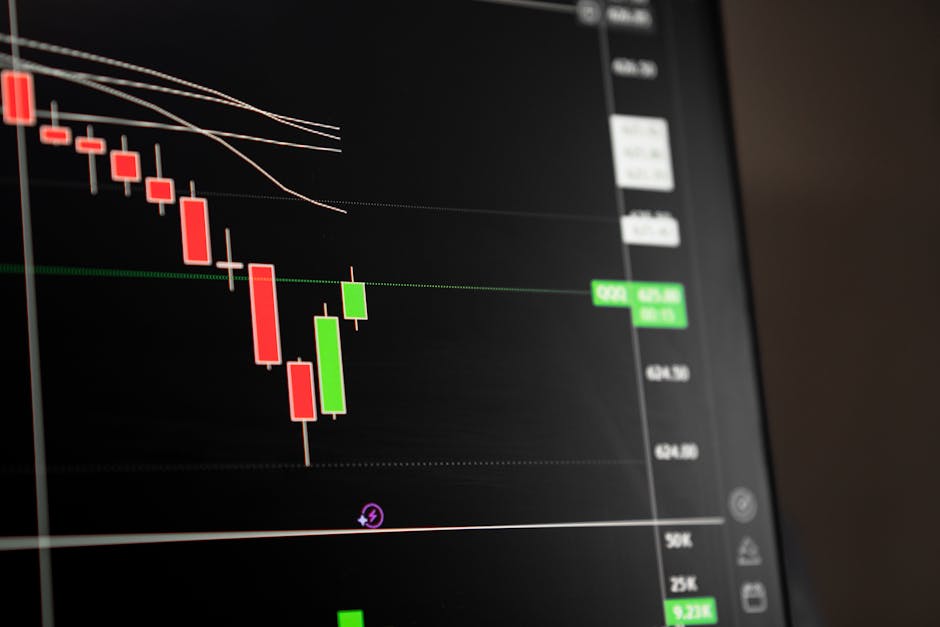
Photo by Alex Luna on Pexels
Financial markets are broad terms for any marketplace where the trading of securities, including equities, bonds, currencies, and derivatives, occurs. They enable efficient capital allocation by channeling funds from those who have them (savers/investors) to those who need them (borrowers/firms).
Key Functions of Financial Markets

Photo by Jakub Zerdzicki on Pexels
- Facilitating Capital Formation: They help businesses raise money for investment and expansion. Without these markets, it would be much harder for companies to get the funds they need to grow, innovate, and create jobs.
- Price Discovery: Markets help determine the fair value of financial assets based on supply and demand. This pricing signal guides investors on where to allocate their capital most effectively.
- Liquidity: They provide a way for investors to easily convert their financial assets into cash when needed, reducing the risk of holding illiquid investments.
- Risk Sharing: Markets allow individuals and institutions to transfer or spread financial risks. For example, insurance markets let you pay a premium to protect against future losses.
- Efficiency: They reduce the cost of transactions by providing organized platforms and standardized procedures for buying and selling financial instruments.
Types of Financial Markets
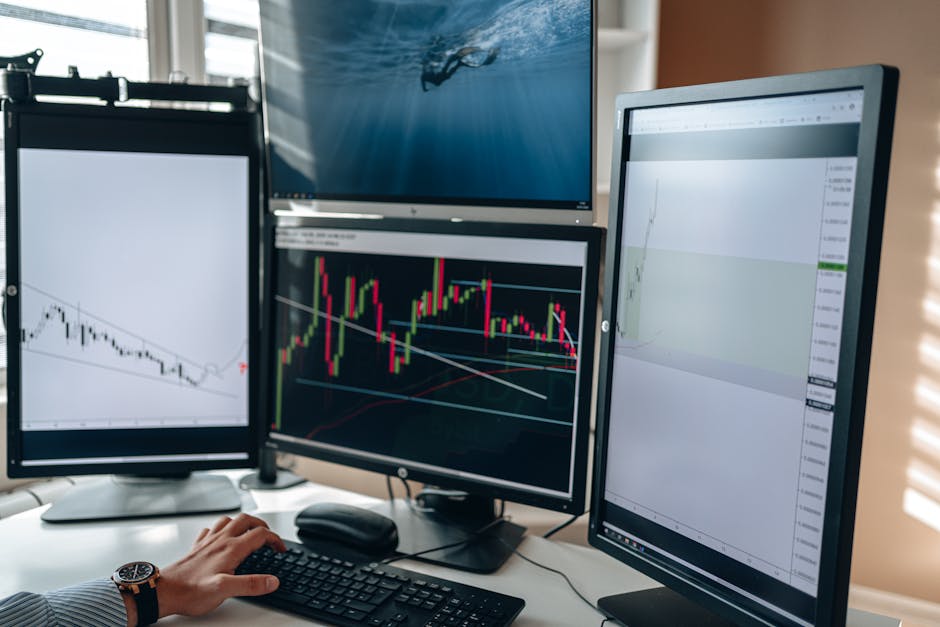
Photo by AlphaTradeZone on Pexels
Financial markets can be categorized in several ways:
- Money Markets vs. Capital Markets:
- Money Markets deal with short-term debt instruments (less than one year maturity), like Treasury Bills and commercial paper. They're used for short-term borrowing and lending.
- Capital Markets deal with long-term debt (bonds) and equity (stocks). These are used for longer-term financing and investment.
- Primary Markets vs. Secondary Markets:
- Primary Markets are where new securities are issued for the first time (e.g., an Initial Public Offering - IPO). The issuer directly receives the funds.
- Secondary Markets are where previously issued securities are traded among investors (e.g., the New York Stock Exchange). The issuer doesn't directly receive funds from these transactions.
- Debt Markets vs. Equity Markets:
- Debt Markets are where borrowers issue debt instruments (like bonds) to lenders. The borrower promises to repay the principal with interest.
- Equity Markets are where ownership stakes (stocks) in companies are bought and sold. Shareholders have a claim on the company's assets and earnings.
- Derivatives Markets: These markets trade financial instruments whose value is derived from an underlying asset (e.g., options, futures). They're used for hedging risk or speculation.
- Foreign Exchange (Forex) Markets: Where currencies are traded, crucial for international trade and investment.
Here's how these market types fit together:
graph TD
    A["Financial Markets"] --> B["Money Markets (Short-term)"]
    A --> C["Capital Markets (Long-term)"]

    B --> D["Treasury Bills"]
    B --> E["Commercial Paper"]
    B --> F["Certificates of Deposit (CDs)"]

    C --> G["Primary Markets (New Issues)"]
    C --> H["Secondary Markets (Existing Issues)"]

    G --> I["IPOs (Initial Public Offerings)"]
    G --> J["Bond Offerings"]

    H --> K["Stock Exchanges (e.g., NYSE, NASDAQ)"]
    H --> L["Bond Trading Platforms"]

    C --> M["Debt Markets"]
    C --> N["Equity Markets"]

    A --> O["Derivatives Markets"]
    A --> P["Foreign Exchange Markets"]
Key Participants

Photo by Jakub Zerdzicki on Pexels
- Borrowers/Issuers: Businesses, governments, and individuals who need funds and issue securities.
- Savers/Investors: Individuals, pension funds, mutual funds, and insurance companies who have surplus funds and invest in securities.
- Financial Intermediaries: Banks, investment banks, brokers, and mutual funds that facilitate the flow of funds between borrowers and savers. They reduce information costs and transaction costs.
- Regulators: Government bodies (like the SEC) that oversee markets to ensure fairness, transparency, and stability.
3. Worked Example
Imagine "GreenTech Inc.," a startup developing sustainable energy solutions, needs $50 million to build its first large-scale solar farm.
- Needs Assessment: GreenTech needs long-term capital for a significant project. This points to capital markets.
- Primary Market Issuance: GreenTech works with an investment bank to issue new stock to the public for the first time. This is an Initial Public Offering (IPO), happening in the primary equity market. Investors (individuals, pension funds) buy these new shares directly from GreenTech (via the investment bank), providing GreenTech with the $50 million.
- Secondary Market Trading: After the IPO, investors who bought GreenTech shares might decide to sell them to other investors, or new investors might want to buy them. These trades happen on a stock exchange (a secondary equity market). GreenTech doesn't get money from these subsequent trades, but the ability to trade shares easily (liquidity) makes the initial IPO more attractive to investors.
- Debt Market Alternative: If GreenTech preferred not to give up ownership, they could have issued bonds. This would involve borrowing money from investors (bondholders) in the primary debt market, promising to pay interest regularly and return the principal later. These bonds could then also trade in a secondary debt market.
This example shows how capital markets facilitate the funding of real economic activity (building a solar farm) and provide liquidity for investors.
4. Key Takeaways
- Financial markets are crucial for channeling funds from savers to borrowers, enabling economic growth.
- They help determine fair prices for assets and provide liquidity, allowing investors to buy and sell easily.
- Money markets handle short-term needs, while capital markets deal with long-term financing through stocks and bonds.
- Primary markets are for new security issues, while secondary markets are for trading existing ones.
- Financial intermediaries like banks play a vital role in connecting participants and improving market efficiency.
- Common Mistakes to Avoid:
- Confusing primary and secondary markets: new issues happen in primary, subsequent trading in secondary.
- Underestimating the role of liquidity: it makes assets easier to sell and thus more attractive to hold.
- Not understanding the basic difference between debt (borrowing) and equity (ownership).
- Thinking financial markets are only for big corporations; they impact everyday savings and lending.
5. Now Try It
Research a recent IPO of a company you find interesting. Identify:
1. Which financial market category (e.g., primary equity market) it belongs to.
2. Who the likely borrowers/issuers and savers/investors were.
3. How this IPO likely helped the company achieve its business goals.
Success looks like you being able to clearly explain the flow of funds from investors to the company and identify where this transaction fits within the financial market structure we discussed.
Frequently asked about Foundations of Financial Markets
Study this next
Get the full Financial markets (BSA) curriculum
Clone the complete plan to your dashboard for unlimited AI-generated notes, practice quizzes, and a personalised revision schedule.
Save this course free