The Dawn of Civilization: Core Characteristics and Mesopotamia
From the World History curriculum
TL;DR
Civilization emerged when groups of people started living together in complex, organized societies, moving beyond simple nomadic lifestyles. This shift involved key features like cities, government, writing, and specialized jobs. Mesopotamia, known as the "Cradle of Civilization," was one of the earliest places where these characteristics truly blossomed.
1. The Mental Model
Think of civilization as humanity "leveling up" from small, wandering groups to large, structured communities. It's about people living together in a much more organized and interdependent way than ever before.
2. The Core Material
Before civilization, most humans lived in small, scattered groups, moving around to find food (hunter-gatherers). The "Dawn of Civilization" wasn't a single event but a gradual process, largely kicked off by the Neolithic Revolution – the development of agriculture. When people learned to farm and domesticate animals, they no longer had to constantly move. This led to permanent settlements and, eventually, complex societies.
Core Characteristics of Civilization
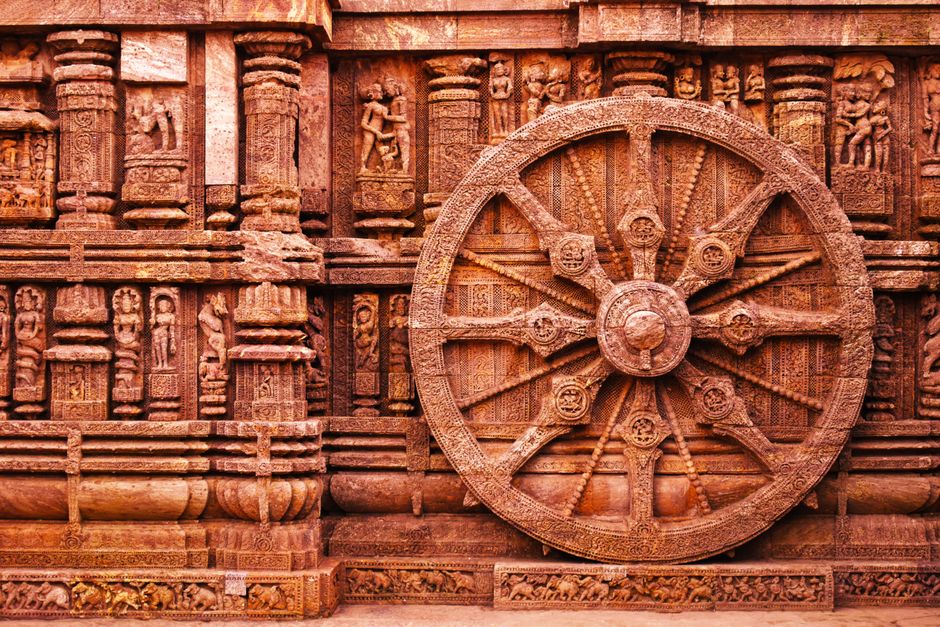
Photo by Anirudh Bharat on Pexels
For a society to be considered a "civilization," historians generally look for several key features:
- Cities: Large populations living together in one place, much bigger than villages. These weren't just collections of houses; they had distinct areas for different purposes.
- Organized Government/Religion: A system to manage the growing population, maintain order, and make decisions. Often, religious leaders played a significant role.
- Job Specialization: Not everyone had to farm. People could become artisans (craftsmen), soldiers, priests, scribes, or builders. This meant people relied on each other for different goods and services.
- Social Hierarchy: Different groups of people had different levels of power and status within society (e.g., rulers at the top, slaves at the bottom).
- Public Works: Large-scale projects like irrigation systems, walls, temples, or roads, which required organized labor and planning.
- Art and Architecture: Sophisticated creative expression, often religious or monumental in nature.
- Writing: A system for recording information, laws, history, and economic transactions. This is a huge leap in communication and administration.
Mesopotamia: The Cradle of Civilization
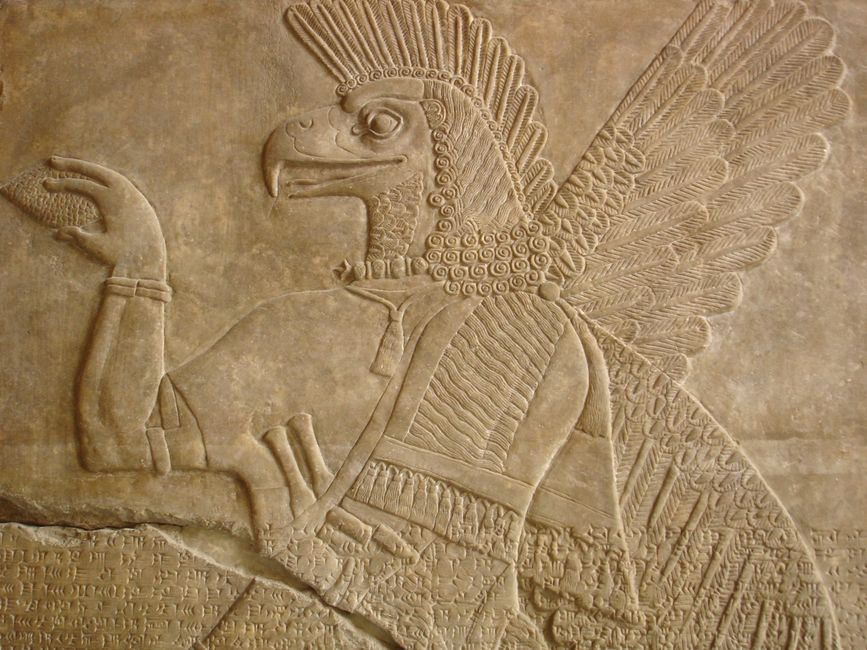
Photo by JP Nunes on Pexels
Mesopotamia, which means "land between the rivers" (the Tigris and Euphrates), is a crucial example. Its fertile land, thanks to river flooding, allowed for abundant agriculture. This agricultural surplus supported a growing population and allowed many of those core characteristics to develop.
The Sumerians, one of the earliest Mesopotamian civilizations, were particularly innovative. They developed:
- Cuneiform: One of the earliest forms of writing, initially used for record-keeping.
- Ziggurats: Massive temple-pyramids, central to their religious life and a form of public works.
- City-States: Independent cities that functioned like small countries, each with its own ruler and patron god. Examples include Ur, Uruk, and Lagash.
- Irrigation Systems: Complex canals to control river water for farming.
This region saw the rise and fall of many empires, including the Akkadians, Babylonians, and Assyrians, each building upon the innovations of those before them.
graph TD
    A["Nomadic Hunter-Gatherers"] --> B["Neolithic Revolution (Agriculture)"];
    B --> C["Permanent Settlements"];
    C --> D["Agricultural Surplus"];
    D --> E["Population Growth & Density"];
    E --> F["Need for Organization"];
    F --> G["Rise of Cities"];
    G --> H1["Organized Government/Religion"];
    G --> H2["Job Specialization"];
    G --> H3["Social Hierarchy"];
    G --> H4["Public Works"];
    G --> H5["Art & Architecture"];
    G --> H6["Writing"];
    H1 & H2 & H3 & H4 & H5 & H6 --> I["Full-Fledged Civilization (e.g., Mesopotamia)"];
3. Worked Example
Imagine you're an archaeologist looking at an ancient site in Mesopotamia. You find a large mound of sun-baked bricks. Further excavation reveals it's a huge tiered structure, clearly a temple dedicated to a deity – a ziggurat (Public Works, Art & Architecture, Organized Religion). Nearby, you find clay tablets covered in wedge-shaped marks – cuneiform script – which turn out to be records of grain distributed to workers, and perhaps some laws (Writing, Organized Government, Job Specialization). You also uncover evidence of different-sized homes and elaborate tombs, suggesting a clear social hierarchy existed. This combination of findings tells you you've hit a well-developed city, a true example of early civilization.
4. Key Takeaways
- Civilization isn't just about big cities; it's about a complex, organized way of life.
- The shift from hunting/gathering to farming (Neolithic Revolution) was the fundamental catalyst.
- Key characteristics include cities, government, job specialization, social classes, public works, and writing.
- Mesopotamia provided the perfect environment for many of these features to first appear and thrive.
- The development of writing, like Cuneiform, was a monumental step for administration and knowledge sharing.
- Early civilizations like Sumer were not single unified countries but often independent city-states.
Common Mistakes to Avoid:
- Don't think of civilization as a sudden "invention" but rather a long, gradual process.
- Avoid assuming all early civilizations looked exactly alike; there were variations.
- Don't confuse "Mesopotamia" with a single empire; it's a region where many different cultures and empires existed over time.
- Don't forget the importance of agriculture; it's the foundation upon which everything else was built.
5. Now Try It
Imagine you are an early Mesopotamian farmer living near a developing city. Write a short paragraph (3-5 sentences) describing what your daily life might be like, specifically mentioning how at least three of the core characteristics of civilization (like job specialization, government, or public works) affect your day. What would be different compared to your hunter-gatherer ancestors? Success looks like clearly integrating those characteristics into your fictional daily routine.
Frequently asked about The Dawn of Civilization: Core Characteristics and Mesopotamia
Study this next
Get the full World History curriculum
Clone the complete plan to your dashboard for unlimited AI-generated notes, practice quizzes, and a personalised revision schedule.
Create Free Account