Introduction to Bali's Geography and Hydrology
From the make a map of bali and where it is water poor and where it has heavy rains which make that part water poor and add the mass tourism curriculum
Introduction to Bali's Geography and Hydrology
TL;DR
Bali's hydrology is split: the south gets heavy rain, but porous soil and tourist demand lead to water scarcity. The north and west, while getting less rain, also face water stress due to varied geography. Mass tourism significantly strains Bali's fresh water supply, impacting both the environment and local communities.
1. The Mental Model
Think of Bali as a beautiful, green island with a hidden problem: much like a sponge that can't hold enough water, some parts of the island, especially where tourists flock, can't retain or access enough fresh water despite rainfall.
2. The Core Material
Bali, a popular Indonesian island, has a fascinating and challenging relationship with water. Its geography shapes where rain falls, how water flows, and ultimately, where water becomes scarce, especially with the added pressure of mass tourism.
Rainfall and Geographic Influence
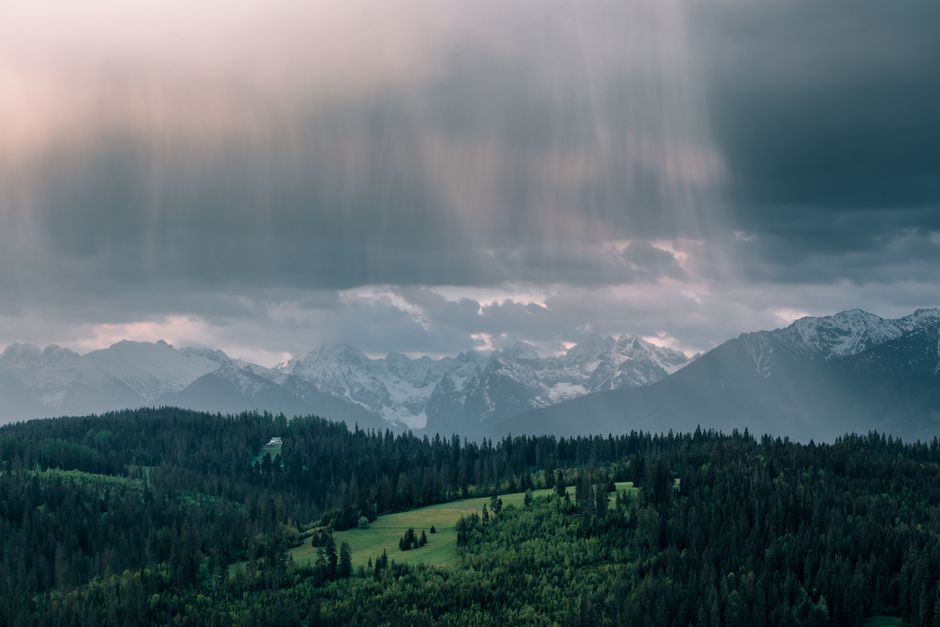
Photo by Dawid Zawiła on Pexels
Bali's central volcanic mountain range plays a crucial role in its rainfall patterns. As moist air from the ocean moves inland, it's forced upwards by these mountains. This process cools the air, causing moisture to condense and fall as rain, primarily on the southern slopes. This is why areas like Ubud, Denpasar, and the southern tourist hubs often experience heavy rainfall, especially during the wet season (roughly October to March).
However, heavy rainfall doesn't automatically mean abundant accessible fresh water. Much of Bali's southern geology consists of permeable volcanic rock and limestone, particularly in the Bukit Peninsula (Uluwatu, Nusa Dua). This means rainwater quickly seeps into the ground rather than collecting in surface rivers or reservoirs. While this recharges groundwater, over-extraction for irrigation and tourism can deplete these underground sources faster than they can refill.
The northern and western parts of Bali, lying in the rain shadow of the central mountains, generally receive less rainfall. While they don't face the same rapid runoff issues as the south, their drier climate combined with less developed water infrastructure also leads to water scarcity.
Mass Tourism's Impact

Photo by Serinus on Pexels
Mass tourism is a major driver of Bali's water crisis. Hotels, villas, swimming pools, golf courses, and restaurants all demand significant amounts of fresh water. A single tourist can use several times more water per day than a local resident. This demand often leads to over-extraction of groundwater, causing:
- Falling water tables: Wells dry up or become saline (salty) as seawater intrudes into depleted freshwater aquifers.
- Reduced water availability for locals: Farmers and communities may struggle to access water for agriculture and daily needs.
- Environmental degradation: Dried-up springs, rivers with reduced flow, and loss of critical wetlands.
Here's a simplified view of how these factors interact:
graph TD
    A["Moist Ocean Air"] --> B["Central Mountains (Volcanic)"]
    B --> C["Heavy Rainfall (South Bali)"]
    B --> D["Less Rainfall (North/West Bali)"]
    C --> E["Permeable Soil/Rock (South)"]
    E --> F["Rapid Groundwater Recharge"]
    F --> G["Mass Tourism Water Demand"]
    D --> H["Limited Surface Water/Infrastructure"]
    G --> I["Over-extraction of Groundwater"]
    H --> J["Water Scarcity for Locals"]
    I --> K["Falling Water Tables & Saline Intrusion"]
    I --> J
    K --> L["Environmental Impact & Local Conflict"]
3. Worked Example
Let's consider the Bukit Peninsula in South Bali (Uluwatu, Nusa Dua). This area is famous for its stunning clifftop resorts, golf courses, and white sand beaches, attracting a high volume of tourists. Geologically, it's primarily limestone, which is highly permeable. Despite experiencing good rainfall during the wet season, the water quickly drains through the porous rock, making surface water sources scarce. The massive demand from hotels and resorts for swimming pools, showers, and landscaping leads to drilling deep wells into the groundwater. Studies have shown that in some parts of this region, groundwater levels have dropped by several meters annually, and many wells near the coast have become too salty to use due to seawater intrusion, directly impacting local communities who rely on these wells for drinking water and farming.
4. Key Takeaways
- Bali's central volcanic mountains are key to its rainfall patterns, leading to heavy rains in the south and drier conditions in the north/west.
- Southern Bali, despite high rainfall, can be water-poor due to permeable geology (like limestone) which allows water to seep quickly into the ground.
- Mass tourism places immense pressure on Bali's freshwater resources, significantly increasing demand.
- Over-extraction of groundwater due to tourism causes falling water tables and saltwater intrusion, especially in coastal areas.
- Water scarcity impacts local communities and agriculture, leading to conflicts and environmental degradation.
- The north and west of Bali face water challenges due to less rainfall and differing infrastructure.
- Sustainable water management is crucial for Bali to balance tourism with environmental and community needs.
5. Now Try It
Imagine you're a local farmer in two different parts of Bali: one in the heavily touristed south (e.g., near Seminyak) and one in the drier northwest (e.g., near Pemuteran). For each location, describe in 2-3 sentences what challenges you might face in accessing water for your crops, considering the geographical and tourism factors discussed. What success looks like: You accurately identify distinct, plausible water access challenges for each location based on the provided material.
Frequently asked about Introduction to Bali's Geography and Hydrology
Study this next
Get the full make a map of bali and where it is water poor and where it has heavy rains which make that part water poor and add the mass tourism curriculum
Clone the complete plan to your dashboard for unlimited AI-generated notes, practice quizzes, and a personalised revision schedule.
Create Free Account