Cell Structure and Function
From the biology curriculum
Cell Structure and Function
TL;DR
Cells are the basic building blocks of all living things, performing all life functions. They come in two main types, prokaryotic and eukaryotic, each with distinct internal structures called organelles. Understanding these structures helps explain how cells grow, reproduce, and maintain life.
1. The Mental Model
Think of a cell like a tiny, self-contained city. Each part of the city (organelle) has a specific job, and they all work together to keep the city running. Some cities are simpler (prokaryotes) and some are more complex (eukaryotes).
2. The Core Material
You'll find that all living organisms are made of cells. Despite their tiny size, cells are incredibly complex and carry out all the necessary functions for life.
Two Main Cell Types: Prokaryotes vs. Eukaryotes
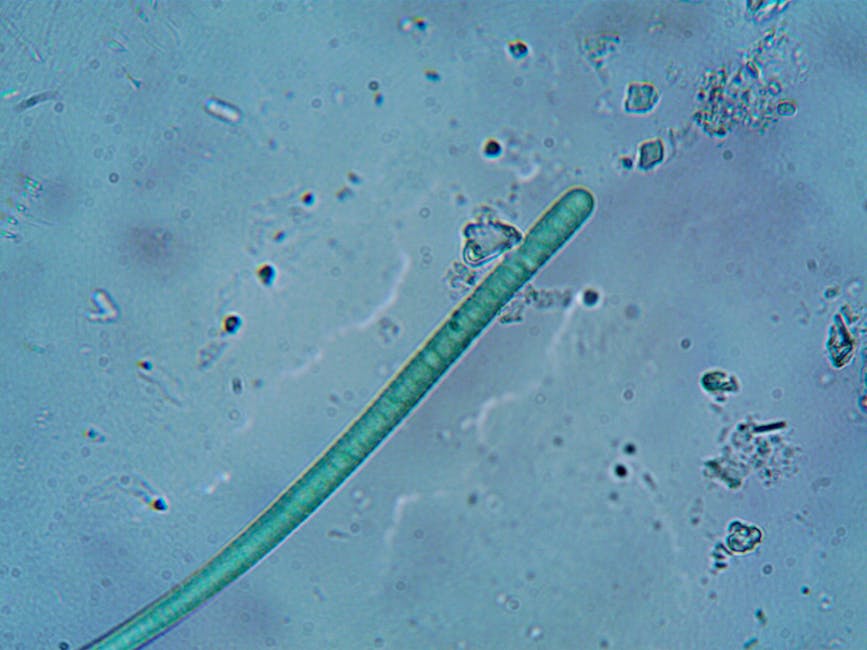
Photo by turek on Pexels
The first big distinction you need to make is between prokaryotic and eukaryotic cells.
- Prokaryotic Cells: These are the simplest and oldest type of cells. Think of bacteria and archaea. They don't have a nucleus or other membrane-bound organelles. Their genetic material (DNA) just floats in the cytoplasm.
- Eukaryotic Cells: These are more complex and include animal, plant, fungal, and protist cells. They do have a true nucleus (which houses their DNA) and many other specialized, membrane-bound organelles, each with a specific function.
Here's a quick comparison:
graph TD
    A["Cell Types"] --> B["Prokaryotic"]
    A --> C["Eukaryotic"]

    B --> D["No nucleus"]
    B --> E["No membrane-bound organelles"]
    B --> F["Simple structure"]
    B --> G["DNA in cytoplasm"]
    B --> H["Examples: Bacteria, Archaea"]

    C --> I["True nucleus"]
    C --> J["Membrane-bound organelles"]
    C --> K["Complex structure"]
    C --> L["DNA in nucleus"]
    C --> M["Examples: Animals, Plants, Fungi, Protists"]
Key Eukaryotic Organelles and Their Jobs
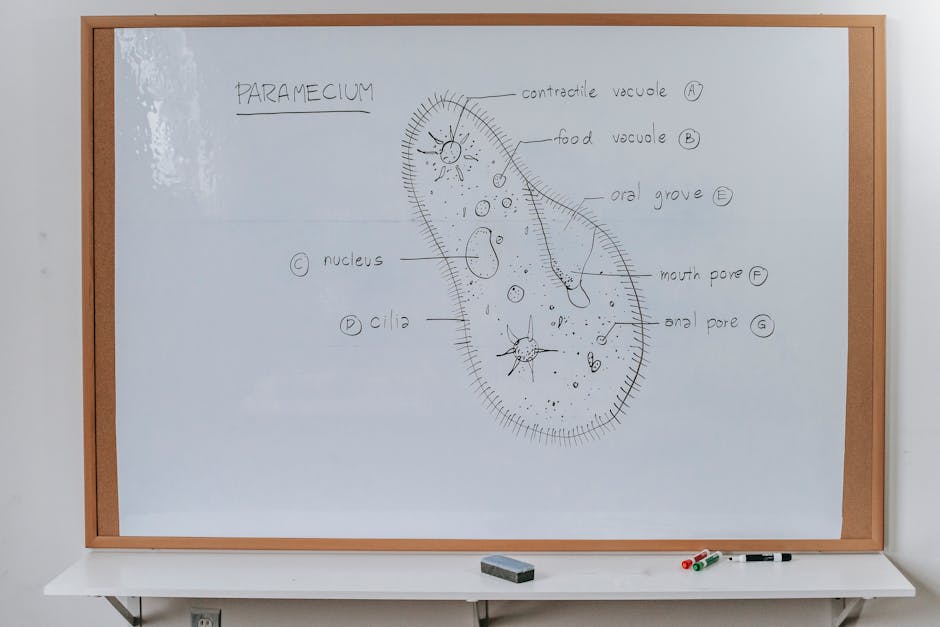
Photo by Katerina Holmes on Pexels
Let's dive into the major parts you'd find in a typical eukaryotic cell, focusing on their function.
- Cell Membrane: This is the outer boundary of the cell. It's like a gatekeeper, controlling what comes in and what goes out. It's made of a double layer of lipids (fats) and proteins.
- Cytoplasm: This is the jelly-like substance that fills the cell and surrounds the organelles. Many chemical reactions happen here.
- Nucleus: Often called the cell's control center, it contains the cell's genetic material (DNA) organized into chromosomes. It directs cell growth, metabolism, and reproduction.
- Mitochondria: These are the "powerhouses" of the cell. They convert glucose (sugar) into ATP (adenosine triphosphate), which is the cell's main energy currency, through a process called cellular respiration.
- Ribosomes: These tiny structures are responsible for protein synthesis. They can be free in the cytoplasm or attached to the endoplasmic reticulum.
- Endoplasmic Reticulum (ER): A network of membranes involved in synthesizing proteins and lipids.
- Rough ER: Has ribosomes attached and is involved in making and modifying proteins that will be secreted from the cell or inserted into membranes.
- Smooth ER: Lacks ribosomes and is involved in lipid synthesis, detoxification, and calcium storage.
- Golgi Apparatus (or Golgi Complex/Body): Think of it as the cell's post office. It modifies, sorts, and packages proteins and lipids from the ER into vesicles for secretion or delivery to other organelles.
- Lysosomes: These are the cell's recycling centers. They contain powerful digestive enzymes that break down waste materials and cellular debris. (More common in animal cells).
- Vacuoles: Storage sacs. In plant cells, a large central vacuole stores water, nutrients, and waste, and helps maintain turgor pressure. In animal cells, they're smaller and more temporary.
- Cell Wall: (Only in plant, fungal, and some bacterial cells, not animal cells) A rigid outer layer that provides structural support and protection to the cell.
- Chloroplasts: (Only in plant and algal cells) These are the sites of photosynthesis, where light energy is converted into chemical energy (sugars). They contain chlorophyll, which gives plants their green color.
Animal Cell vs. Plant Cell

Photo by Fayette Reynolds M.S. on Pexels
While both are eukaryotic, there are some key differences:
- Plant cells have a cell wall, chloroplasts, and a large central vacuole.
- Animal cells do not have these features. They typically have lysosomes, which are rare in plant cells.
3. Worked Example
Let's imagine you're observing a new type of single-celled organism under a microscope. You see that it has a cell membrane, cytoplasm, and ribosomes, but there's no clearly defined nucleus, and you don't see any other membrane-bound compartments like mitochondria or chloroplasts.
Based on these observations, you can confidently classify this organism as a prokaryote. The absence of a nucleus and other membrane-bound organelles are the tell-tale signs. If you did see a nucleus and mitochondria, you'd know it was a eukaryote. If it also had a cell wall and chloroplasts, you'd suspect it was a plant-like eukaryote or an alga.
4. Key Takeaways
- Cells are the fundamental units of life, responsible for all life processes.
- Prokaryotic cells are simpler, lack a nucleus and membrane-bound organelles (like bacteria).
- Eukaryotic cells are more complex, possessing a true nucleus and specialized organelles (like animal and plant cells).
- The nucleus houses DNA and controls cell activities.
- Mitochondria generate energy (ATP) for the cell.
- Ribosomes synthesize proteins, and the ER and Golgi modify and transport them.
- Plant cells have unique features like a cell wall, chloroplasts, and a large central vacuole not found in animal cells.
Common Mistakes to Avoid:
- Don't confuse prokaryotic cells with simply "small" cells; it's about internal organization, not just size.
- Remember that chloroplasts are for photosynthesis (plants), and mitochondria are for cellular respiration (both plants and animals).
- Don't forget that animal cells do not have a cell wall or chloroplasts.
- Avoid thinking of organelles as independent; they all work together in a coordinated system.
5. Now Try It
Imagine you're designing an artificial cell for a specific purpose. If your artificial cell needs to efficiently produce a lot of energy to power complex movements, what organelle would you definitely include, and why? If it also needs to break down a lot of waste products, what other organelle would be crucial?
What success looks like: You should be able to name the two organelles and briefly explain their specific functions that directly relate to the needs (energy production and waste breakdown).
Frequently asked about Cell Structure and Function
Study this next
Get the full biology curriculum
Clone the complete plan to your dashboard for unlimited AI-generated notes, practice quizzes, and a personalised revision schedule.
Create Free Account