Cell Division and Inheritance
From the genetic variation curriculum
Cell Division and Inheritance
TL;DR
You'll learn how cells divide to make more cells or to create reproductive cells, and how this process ensures genetic information is passed down. We'll cover mitosis for growth and repair, and meiosis for sexual reproduction, which introduces genetic variation. Understanding these processes is key to grasping how traits are inherited.
1. The Mental Model
Think of cell division as making copies of a blueprint (your DNA) for different purposes. Mitosis is like making exact copies for new factory parts, while meiosis is like shuffling and splitting the blueprint into unique halves for creating new, diverse factories.
2. The Core Material
Your body is made of trillions of cells, all originating from a single fertilized egg. This incredible growth and constant maintenance depend on cell division. There are two main types: mitosis and meiosis. Both involve copying DNA, but their purposes and outcomes are very different.
2.1. DNA Packaging: Chromosomes

Photo by Google DeepMind on Pexels
Before a cell divides, its DNA, which is usually spread out, condenses into structures called chromosomes. Humans have 46 chromosomes in most of their cells, arranged in 23 pairs. One chromosome from each pair comes from your mother, and the other from your father. These are called homologous chromosomes because they carry genes for the same traits at the same locations.
2.2. Mitosis: Making Identical Copies

Photo by cottonbro studio on Pexels
Mitosis is how most of your body cells (somatic cells) divide. It's essential for growth, repair, and replacing old cells. The goal is to produce two daughter cells that are genetically identical to the parent cell.
Here's the basic flow:
- Interphase: The cell grows, carries out its normal functions, and critically, duplicates its DNA. Each chromosome now consists of two identical "sister chromatids" joined at a point called the centromere.
- Prophase: Chromosomes condense and become visible. The nuclear envelope (the membrane around the nucleus) starts to break down.
- Metaphase: Chromosomes line up in the middle of the cell.
- Anaphase: Sister chromatids separate and move to opposite ends of the cell. Now, each chromatid is considered a full chromosome.
- Telophase: New nuclear envelopes form around the two sets of chromosomes.
- Cytokinesis: The cell's cytoplasm divides, pinching into two separate daughter cells.
Each daughter cell ends up with a full set of 46 chromosomes, identical to the parent.
2.3. Meiosis: Creating Reproductive Cells with Variation
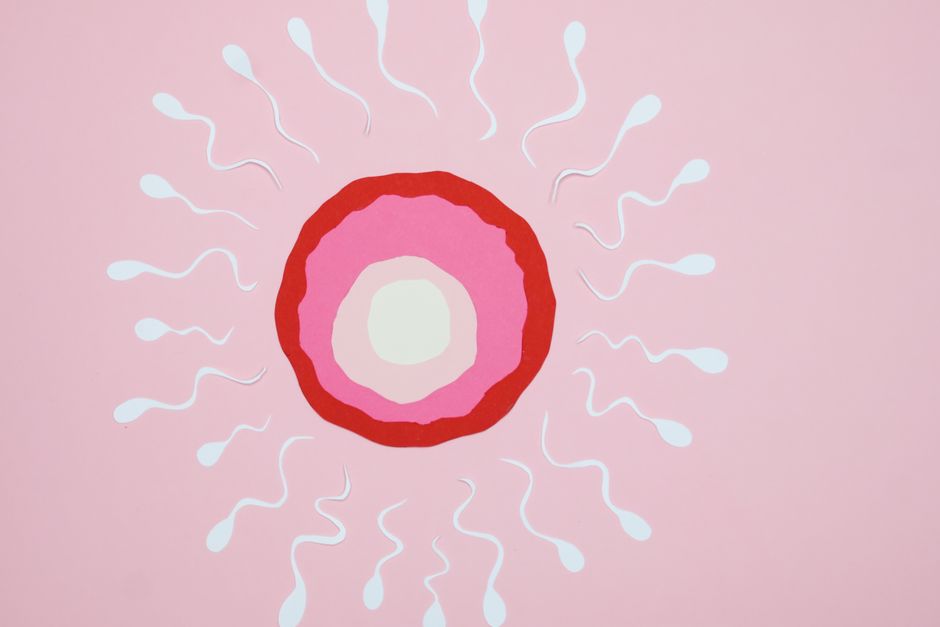
Photo by Nadezhda Moryak on Pexels
Meiosis is a specialized type of cell division that produces gametes (sperm and egg cells). Unlike mitosis, meiosis involves two rounds of division and results in four daughter cells, each with half the number of chromosomes (23 in humans) and genetically unique. This reduction in chromosome number is crucial for sexual reproduction, ensuring that when sperm and egg fuse, the offspring has the correct total number of chromosomes (46).
The key steps in meiosis that contribute to genetic variation are:
- Crossing Over: During Meiosis I, homologous chromosomes pair up and exchange segments of DNA. This shuffles genetic material between maternal and paternal chromosomes, creating new combinations of genes.
- Independent Assortment: Also during Meiosis I, the homologous chromosome pairs line up randomly in the middle of the cell. This means that when they separate, the combination of maternal and paternal chromosomes going into each new cell is random, leading to many possible genetic combinations.
Here's the basic flow for meiosis:
graph TD
    A["Parent Cell (Diploid, 2n)"] --> B{Meiosis I}
    B --> C["2 Daughter Cells (Haploid, n, but with duplicated chromosomes)"]
    C --> D{Meiosis II}
    D --> E["4 Daughter Cells (Haploid, n, with unduplicated chromosomes)"]
3. Worked Example
Let's trace a single pair of homologous chromosomes through meiosis to see how genetic variation arises. Imagine you have one chromosome from your mother (let's say it has gene 'A' and gene 'B') and one from your father (with gene 'a' and gene 'b').
- Interphase before Meiosis I: Both chromosomes duplicate. So, you now have:
- Maternal chromosome: A---B (on one chromatid) and A---B (on its sister chromatid)
- Paternal chromosome: a---b (on one chromatid) and a---b (on its sister chromatid)
- Prophase I (Crossing Over): The maternal and paternal homologous chromosomes pair up. A segment of the maternal chromosome (e.g., carrying gene B) exchanges with a segment of the paternal chromosome (e.g., carrying gene b).
- Now, one maternal chromatid might be A---B, and its sister chromatid might be A---b.
- Similarly, one paternal chromatid might be a---b, and its sister chromatid might be a---B.
- Metaphase I (Independent Assortment): The homologous pairs line up randomly.
- Meiosis I: Homologous chromosomes separate. You get two cells.
- Cell 1 might get the A---B / A---b chromosome and the a---b / a---B chromosome.
- Cell 2 would get the remaining chromosomes.
- Meiosis II: Sister chromatids separate. From the chromosomes in Cell 1, you could get gametes like:
- A---B
- A---b
- a---b
- a---B
Notice how crossing over created new combinations (A---b and a---B) that weren't present on the original maternal or paternal chromosomes. Independent assortment further mixes these combinations across different gametes. This is why siblings can look so different, even from the same parents.
4. Key Takeaways
- Mitosis produces two genetically identical diploid cells for growth and repair.
- Meiosis produces four genetically unique haploid cells (gametes) for sexual reproduction.
- Before division, DNA condenses into chromosomes, and during interphase, DNA duplicates.
- Crossing over during Meiosis I shuffles genetic material between homologous chromosomes.
- Independent assortment during Meiosis I randomly distributes maternal and paternal chromosomes into daughter cells.
- These meiotic processes are the primary sources of genetic variation in sexually reproducing organisms.
-
Mitosis maintains the chromosome number, while meiosis halves it.
-
Common Mistakes:
- Confusing mitosis (identical copies) with meiosis (unique reproductive cells).
- Forgetting that DNA duplication happens before both mitosis and meiosis.
- Thinking crossing over and independent assortment happen in mitosis; they only occur in meiosis.
- Assuming daughter cells in meiosis are identical; they are genetically unique.
5. Now Try It
Draw out the stages of mitosis for a cell with only 4 chromosomes (2 homologous pairs). For each stage (Interphase, Prophase, Metaphase, Anaphase, Telophase, Cytokinesis), show the chromosomes' appearance and location. What success looks like: You should clearly depict chromosome duplication, alignment, separation of sister chromatids, and the final formation of two identical diploid cells, each with 4 chromosomes.
Frequently asked about Cell Division and Inheritance
Study this next
Get the full genetic variation curriculum
Clone the complete plan to your dashboard for unlimited AI-generated notes, practice quizzes, and a personalised revision schedule.
Create Free Account