Cell Division and Cell Cycle
From the Basic cell biology curriculum
TL;DR
Cells reproduce by dividing, a process called cell division, which is crucial for growth, repair, and reproduction of organisms. The cell cycle describes the series of events a cell goes through from its formation to its division into two daughter cells. This cycle ensures accurate duplication of genetic material and proper distribution to new cells.
1. The Mental Model
Think of a cell like a parent preparing for twins: it first copies everything it has, then carefully sorts these copies so each new "baby cell" gets a complete and identical set of everything needed to start its own life.
2. The Core Material
Cell division is how new cells are made. There are two main types: mitosis and meiosis. The cell cycle is the overall sequence of growth and division that cells go through.
The Cell Cycle: A Cell's Life Journey
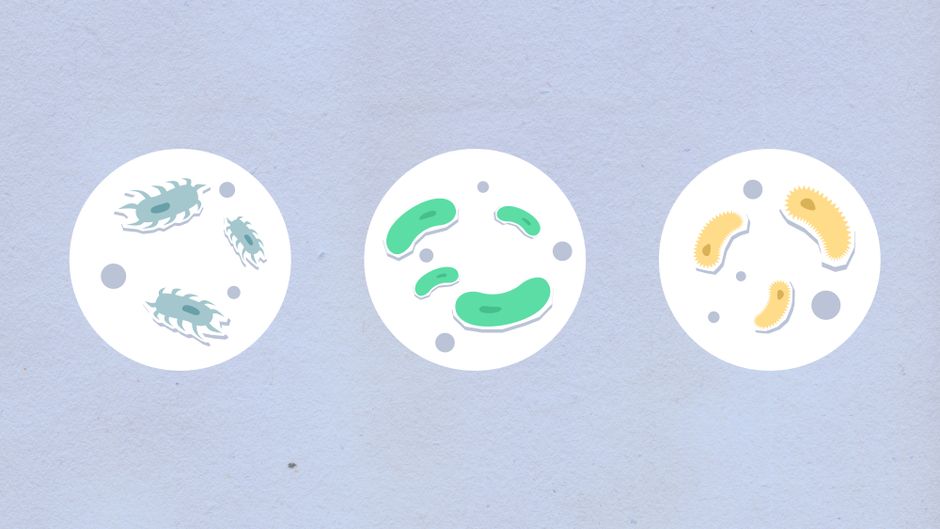
Photo by Monstera Production on Pexels
The cell cycle has two main phases:
1. Interphase: This is the longest phase, where the cell grows, duplicates its DNA, and prepares for division. It's subdivided into G1, S, and G2 phases.
* G1 phase (First Gap): The cell grows, synthesizes proteins, and performs its normal functions. It's deciding whether to divide or not.
* S phase (Synthesis): The cell duplicates its entire set of DNA. Each chromosome now consists of two identical sister chromatids.
* G2 phase (Second Gap): The cell continues to grow, synthesizes proteins needed for division, and checks its DNA for errors.
2. M phase (Mitotic Phase): This is where the cell actually divides. It includes mitosis (nuclear division) and cytokinesis (cytoplasmic division).
Mitosis: Making Identical Copies
Mitosis is how most body cells divide. Its purpose is to produce two genetically identical daughter cells from a single parent cell. It's essential for growth, tissue repair, and asexual reproduction. Mitosis itself is a continuous process, but biologists divide it into four main stages:
1. Prophase: Chromosomes condense and become visible. The nuclear envelope (the membrane around the nucleus) starts to break down, and the mitotic spindle (a structure made of microtubules) begins to form.
2. Metaphase: Chromosomes align at the metaphase plate (the cell's equator). Each sister chromatid is attached to a spindle fiber from opposite poles.
3. Anaphase: Sister chromatids separate and are pulled apart towards opposite poles of the cell. Now they're considered individual chromosomes.
4. Telophase: Chromosomes arrive at the poles and begin to decondense. New nuclear envelopes form around the two sets of chromosomes. The mitotic spindle breaks down.
Following telophase, Cytokinesis occurs, which is the division of the cytoplasm, resulting in two separate daughter cells. In animal cells, a cleavage furrow forms and pinches the cell in two. In plant cells, a cell plate forms to create a new cell wall between the daughter cells.
Meiosis: Making Cells for Reproduction
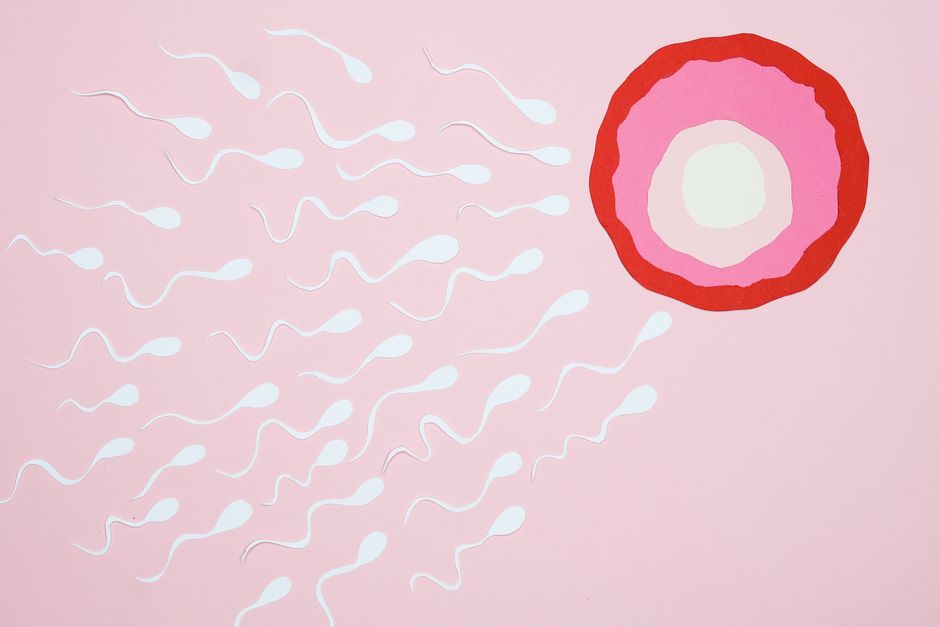
Photo by Nadezhda Moryak on Pexels
Meiosis is a special type of cell division that produces four genetically different daughter cells, each with half the number of chromosomes of the parent cell. This process is crucial for sexual reproduction, as it creates gametes (sperm and egg cells). Meiosis involves two rounds of division: Meiosis I and Meiosis II.
* Meiosis I: Homologous chromosomes (one from each parent) pair up and then separate, reducing the chromosome number by half. This is where genetic recombination (crossing over) occurs, leading to genetic diversity.
* Meiosis II: Sister chromatids separate, similar to mitosis.
Cell Cycle Regulation
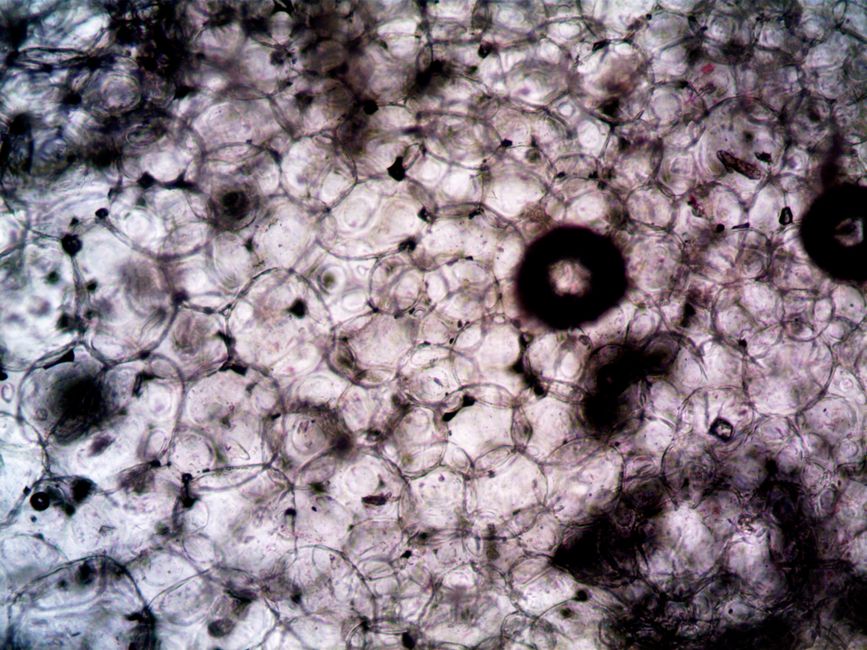
Photo by turek on Pexels
The cell cycle is tightly controlled by checkpoints. These are specific points where the cell assesses its internal and external conditions before proceeding to the next phase. Key checkpoints include:
* G1 checkpoint: Checks for cell size, nutrients, growth factors, and DNA damage. If conditions aren't right, the cell may enter a resting state (G0 phase).
* G2 checkpoint: Checks for DNA replication completeness and DNA damage.
* M checkpoint (Spindle checkpoint): Checks if all chromosomes are properly attached to the spindle fibers before anaphase.
These checkpoints use regulatory proteins like cyclins and cyclin-dependent kinases (CDKs). Cyclins bind to and activate CDKs, which then phosphorylate (add a phosphate group to) other proteins, driving the cell through the cycle.
graph TD
    A["G1 Phase (Growth, Normal Function)"] --> B["S Phase (DNA Synthesis)"]
    B --> C["G2 Phase (Growth, Prep for Mitosis)"]
    C --> D{"M Phase (Mitosis & Cytokinesis)"}
    D --> A
    A --"G1 Checkpoint"--> B
    C --"G2 Checkpoint"--> D
    D --"M Checkpoint"--> A
    A --"If conditions unfavorable"--> E["G0 Phase (Resting State)"]
3. Worked Example
Let's trace a human skin cell, which has 46 chromosomes, through one complete mitotic cell cycle.
- G1 Phase: The skin cell starts with 46 chromosomes (each a single chromatid). It grows and functions normally. At the G1 checkpoint, it gets the "go" signal to divide.
- S Phase: The cell duplicates its DNA. Now, each of the 46 chromosomes consists of two identical sister chromatids, joined at the centromere. The cell still technically has 46 chromosomes, but it has double the amount of DNA.
- G2 Phase: The cell grows more and synthesizes proteins needed for mitosis. It passes the G2 checkpoint, ensuring DNA is replicated correctly and no damage exists.
- M Phase (Mitosis):
- Prophase: The 46 duplicated chromosomes condense. The nuclear envelope breaks down.
- Metaphase: All 46 duplicated chromosomes line up at the cell's equator.
- Anaphase: The sister chromatids of each chromosome separate, and 46 individual chromosomes move to one pole, while the other 46 individual chromosomes move to the opposite pole. For a brief moment, the cell effectively contains 92 chromosomes.
- Telophase: New nuclear envelopes form around the two sets of 46 chromosomes at each pole.
- Cytokinesis: The cytoplasm divides.
- Result: Two brand new skin cells, each genetically identical to the original parent cell, and each containing 46 single chromosomes.
4. Key Takeaways
- The cell cycle includes interphase (G1, S, G2) for growth and DNA duplication, and M phase for division.
- Mitosis produces two identical daughter cells, crucial for growth, repair, and asexual reproduction.
- Meiosis produces four genetically diverse daughter cells with half the chromosomes, essential for sexual reproduction.
- DNA replication happens during the S phase of interphase, ensuring each new cell gets a full set of genetic material.
- Checkpoints (G1, G2, M) act as critical control points, ensuring the cell divides only when ready and conditions are right.
- Cyclins and CDKs are key regulatory molecules that control progression through the cell cycle checkpoints.
Common Mistakes to Avoid:
- Don't confuse sister chromatids with homologous chromosomes; sister chromatids are identical copies, while homologous chromosomes are similar but from different parents.
- Remember that DNA replication (S phase) occurs before mitosis, not during it.
- Don't think of mitosis and cytokinesis as entirely separate events; cytokinesis usually overlaps with telophase.
- Don't assume all cells divide regularly; many cells enter a non-dividing G0 state.
5. Now Try It
Imagine a plant root tip cell with 10 chromosomes (5 homologous pairs). Describe what happens to the number of chromosomes and the state of the DNA (single vs. duplicated chromatids) during the G1 phase, S phase, and at the end of mitosis (after cytokinesis). What would be the total number of chromosomes in the resulting daughter cells? How many chromatids would each chromosome have after S phase? What success looks like: You should clearly state the chromosome number and whether they are single or duplicated for each stage, and accurately determine the final chromosome count and chromatid count.
Try it yourself: Mitosis stages in 3D
Frequently asked about Cell Division and Cell Cycle
More from Basic cell biology
Get the full Basic cell biology curriculum
Clone the complete plan to your dashboard for unlimited AI-generated notes, practice quizzes, and a personalised revision schedule.
Save this course free