Introduction to the Nervous System and Neuroanatomy
From the Nervous system curriculum
Introduction to the Nervous System and Neuroanatomy
TL;DR
Your nervous system is the body's command center, taking in information, processing it, and sending out instructions. It's broadly divided into the Central Nervous System (brain and spinal cord) and the Peripheral Nervous System (all other nerves). Understanding its basic structure, or neuroanatomy, helps us see how it manages everything you do.
1. The Mental Model
Think of your nervous system as a vast, incredibly fast communication network. It's constantly collecting data from the world and your body, deciding what it means, and then orchestrating responses, often without you even realizing it.
2. The Core Material
Your nervous system is the master control system of your body. It has two main divisions:
Central Nervous System (CNS)
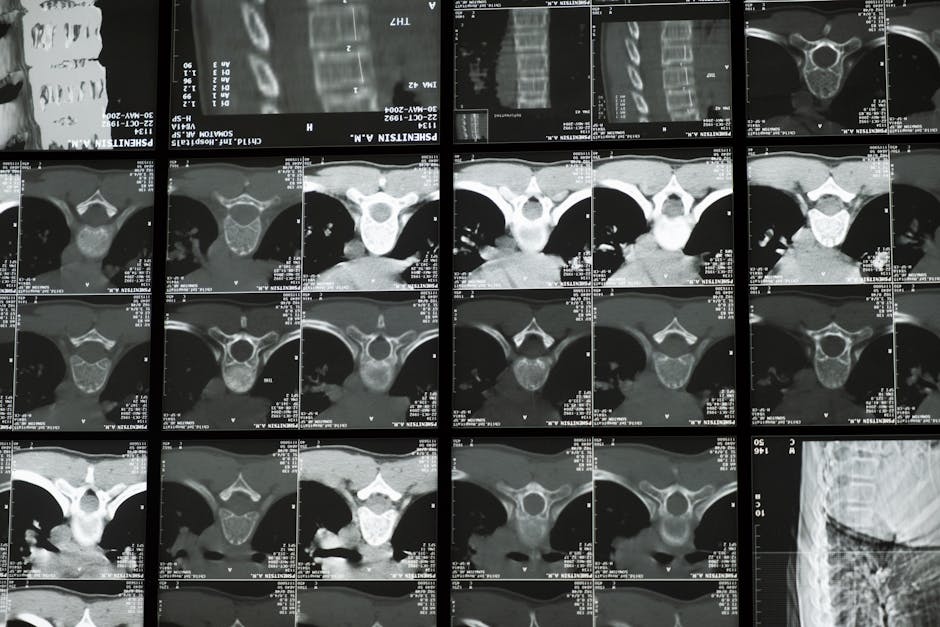
Photo by cottonbro studio on Pexels
This is the command center. It includes:
* Brain: The primary organ for processing information, thought, emotion, and memory. It's super complex, but you can think of it as having different regions specialized for different tasks (e.g., visual processing, motor control, language).
* Spinal Cord: A long bundle of nerves extending down your back, connecting the brain to the rest of the body. It acts like a major highway for messages going to and from the brain, and it also handles simple reflexes on its own.
Peripheral Nervous System (PNS)
Photo by cottonbro studio on Pexels
This is the messenger network. It's made up of all the nerves outside the brain and spinal cord, and it branches out to every part of your body. The PNS has two main subdivisions:
* Somatic Nervous System: Controls voluntary movements of skeletal muscles and transmits sensory information from your skin, muscles, and joints to the CNS. When you decide to pick up a pen, that's your somatic system.
* Autonomic Nervous System (ANS): Controls involuntary functions like heart rate, breathing, digestion, and gland activity. You don't consciously think about these. The ANS further divides into:
* Sympathetic Nervous System: "Fight or flight" response. It prepares your body for action (e.g., increases heart rate, dilates pupils).
* Parasympathetic Nervous System: "Rest and digest" response. It calms your body down and conserves energy (e.g., slows heart rate, stimulates digestion).
Here's a diagram to help visualize the hierarchy:
graph TD
    A["Nervous System"] --> B["Central Nervous System (CNS)"]
    A --> C["Peripheral Nervous System (PNS)"]

    B --> D["Brain"]
    B --> E["Spinal Cord"]

    C --> F["Somatic Nervous System"]
    C --> G["Autonomic Nervous System (ANS)"]

    G --> H["Sympathetic Nervous System"]
    G --> I["Parasympathetic Nervous System"]
Neuroanatomy Basics

Photo by MART PRODUCTION on Pexels
When we talk about neuroanatomy, we're looking at the structures. Beyond the big divisions, you'll hear about:
* Neurons: These are the fundamental building blocks – specialized cells that transmit electrical and chemical signals. They're like the individual wires in the network.
* Glia (or Glial Cells): These are supporting cells that surround neurons, providing nutrients, insulation, and structural support. They're like the maintenance crew and insulation for the wires.
* Nerves: Bundles of axons (parts of neurons) in the PNS.
* Tracts: Bundles of axons in the CNS.
* Ganglia: Clusters of neuron cell bodies in the PNS.
* Nuclei: Clusters of neuron cell bodies in the CNS.
3. Worked Example
Imagine you're walking and suddenly step on a sharp toy.
- Sensory Input (PNS - Somatic): Nerves in your foot detect the pain and pressure. These sensory neurons transmit signals up through the spinal cord.
- Spinal Cord Reflex (CNS - Spinal Cord): Before the signal even reaches your brain, the spinal cord might trigger a quick reflex. It sends a signal back down to your leg muscles.
- Motor Output (PNS - Somatic): Your leg muscles immediately contract, causing you to lift your foot away from the toy without you consciously thinking about it.
- Brain Processing (CNS - Brain): The pain signal also continues up to your brain. Your brain registers the pain, identifies where it came from, and might trigger an emotional response (like a yelp!). It then formulates a conscious plan (e.g., "I need to clean up these toys!").
- Autonomic Response (PNS - ANS - Sympathetic): In response to the sudden pain and surprise, your sympathetic nervous system might kick in, causing your heart rate to slightly increase and a small surge of adrenaline.
This entire sequence happens in fractions of a second, showing the incredible speed and coordination of the nervous system's different parts.
4. Key Takeaways
- The nervous system is your body's communication and control hub.
- It's divided into the Central Nervous System (CNS) and the Peripheral Nervous System (PNS).
- The CNS includes the brain (for complex processing) and the spinal cord (for reflexes and signal relay).
- The PNS connects the CNS to the rest of the body and has somatic (voluntary) and autonomic (involuntary) divisions.
- The autonomic nervous system further splits into sympathetic ("fight or flight") and parasympathetic ("rest and digest") responses.
- Neurons are the basic signaling cells, supported by glia.
Common mistakes you should avoid:
* Confusing the CNS and PNS roles; remember CNS is the command center, PNS is the messenger.
* Thinking all responses are conscious; many actions are handled automatically by the spinal cord or ANS.
* Underestimating the complexity of even simple actions; multiple parts of the system are always working together.
* Forgetting that "nerves" are specific to the PNS, while "tracts" are in the CNS.
5. Now Try It
Take 15 minutes to think about a common everyday activity, like eating an apple. Trace the pathway of information from when you first see and smell the apple, to picking it up, taking a bite, chewing, swallowing, and your body digesting it. Write down which parts of the nervous system (CNS, PNS - Somatic/Autonomic, Sympathetic/Parasympathetic) are involved at each step and why. Success looks like clearly identifying at least three different divisions of the nervous system at play during this seemingly simple act.
Frequently asked about Introduction to the Nervous System and Neuroanatomy
Get the full Nervous system curriculum
Clone the complete plan to your dashboard for unlimited AI-generated notes, practice quizzes, and a personalised revision schedule.
Create Free Account