Foundational Concepts of Hematology
From the I need to learn about anemia curriculum
TL;DR
Hematology is the study of blood, its components, and related diseases. It focuses on how blood cells are made, their functions, and what happens when things go wrong. Understanding these basics is crucial for grasping conditions like anemia.
1. The Mental Model
Think of your blood as a complex internal transport system, constantly delivering essentials and removing waste. Hematology explores the "vehicles" (blood cells), the "roads" (vessels), and the "factories" (bone marrow) that keep this system running.
2. The Core Material
Your blood isn't just one thing; it's made up of several important parts, each with a specific job. Understanding these components and where they come from is key to hematology.
Blood has two main components:
* Plasma: This is the liquid part of your blood, about 55% of its total volume. It's mostly water, but it also contains proteins (like albumin, antibodies, and clotting factors), hormones, nutrients, and waste products. It acts as the transport medium for everything else.
* Formed Elements: These are the actual cells and cell fragments suspended in the plasma, making up about 45% of your blood volume. There are three main types:
* Red Blood Cells (Erythrocytes): These are by far the most numerous. Their main job is to carry oxygen from your lungs to your body's tissues and bring carbon dioxide back to your lungs. They contain a special protein called hemoglobin which binds to oxygen.
* White Blood Cells (Leukocytes): These are your body's defenders, part of your immune system. There are several types (neutrophils, lymphocytes, monocytes, eosinophils, basophils), each with slightly different roles in fighting infections and diseases.
* Platelets (Thrombocytes): These are not full cells but small fragments that play a critical role in stopping bleeding by forming clots.
All these blood cells originate in your bone marrow, through a process called hematopoiesis. This is a continuous process where specialized stem cells develop into all the different kinds of blood cells you need.
graph TD
    A["Hematopoietic Stem Cell (in Bone Marrow)"] --> B["Myeloid Stem Cell"]
    A --> C["Lymphoid Stem Cell"]

    B --> D["Erythroblast"]
    D --> E["Reticulocyte (immature RBC)"]
    E --> F["Red Blood Cell (Erythrocyte)"]
    F["Red Blood Cell (Erythrocyte)"] -- "Carries Oxygen" --> G["Body Tissues"]

    B --> H["Myeloblast"]
    H --> I["Neutrophil"]
    H --> J["Eosinophil"]
    H --> K["Basophil"]
    H --> L["Monocyte"]
    L --> M["Macrophage"]
    I,J,K,M -- "Immune Response" --> N["Pathogens/Damage"]

    B --> P["Megakaryocyte"]
    P --> Q["Platelets"]
    Q -- "Clot Formation" --> R["Punctured Vessel"]

    C --> S["Lymphoblast"]
    S --> T["B Lymphocyte"]
    S --> U["T Lymphocyte"]
    U --> V["Natural Killer Cell"]
    T,U,V -- "Immune Response" --> N
Understanding Red Blood Cells and Hemoglobin
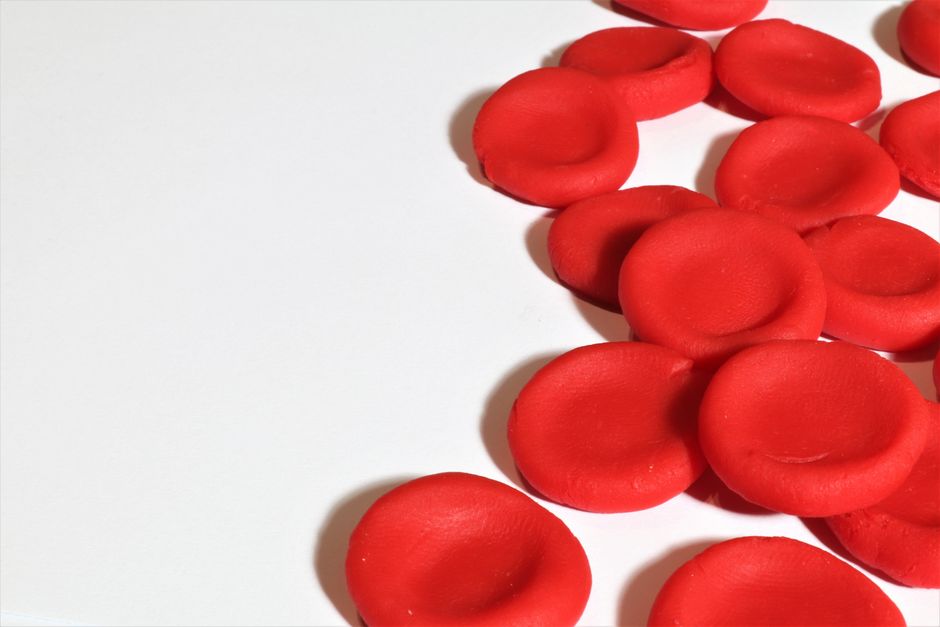
Photo by Roger Brown on Pexels
Since we're talking about anemia, let's focus a bit more on red blood cells (RBCs) and hemoglobin.
* RBCs are biconcave discs, which gives them a large surface area for gas exchange. They're unique because they lack a nucleus in their mature form, allowing more space for hemoglobin.
* Hemoglobin is the protein inside RBCs that literally binds to oxygen. It contains iron, which is essential for this binding. The amount of hemoglobin in your blood is a key indicator of your oxygen-carrying capacity. Low hemoglobin means less oxygen transport, which is the core problem in anemia.
Key Blood Tests
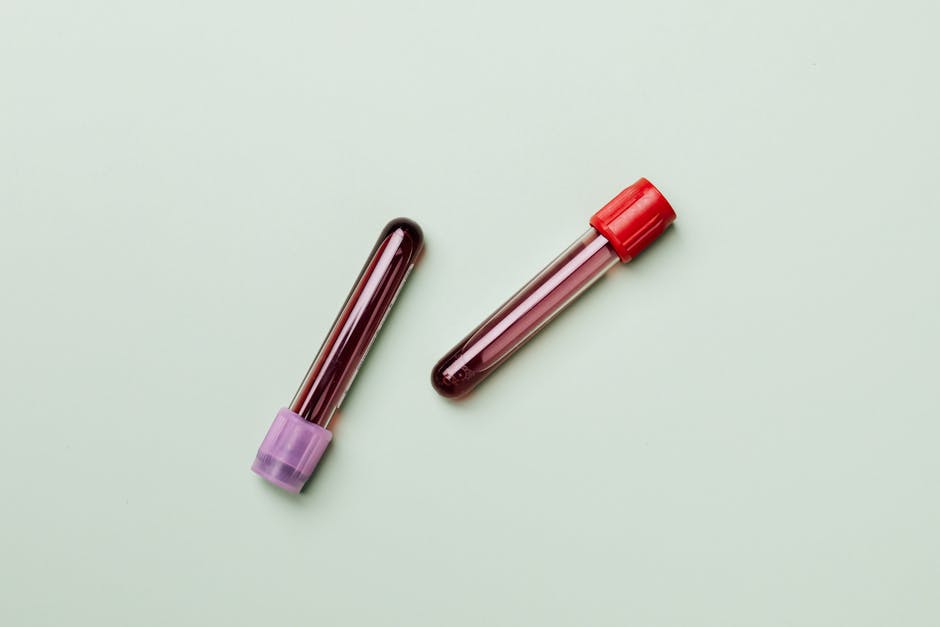
Photo by www.kaboompics.com on Pexels
To understand blood health, doctors look at several things:
* Complete Blood Count (CBC): This is a standard test that measures the different components of your blood.
* Hemoglobin (Hb): Amount of oxygen-carrying protein in your blood.
* Hematocrit (Hct): Percentage of your blood volume made up of red blood cells. These two often move together.
* Red Blood Cell Count (RBC count): The number of red blood cells per unit volume.
* Mean Corpuscular Volume (MCV): The average size of your red blood cells. This is super important for classifying different types of anemia.
* Mean Corpuscular Hemoglobin (MCH) and Mean Corpuscular Hemoglobin Concentration (MCHC): These tell you about the average amount and concentration of hemoglobin in your RBCs.
* White Blood Cell Count (WBC count) and Differential: Total white blood cells and the proportions of each type.
* Platelet Count: Number of platelets.
3. Worked Example
Imagine you get a routine blood test. Your results come back, and some values are flagged as low.
Let's specifically look at the RBC-related values:
* Hemoglobin (Hb): 10.5 g/dL (Normal range for adult females: 12-15.5 g/dL)
* Hematocrit (Hct): 32% (Normal range: 35-45%)
* Mean Corpuscular Volume (MCV): 78 fL (Normal range: 80-100 fL)
Based on these numbers:
1. Your hemoglobin and hematocrit are below the normal range. This immediately tells us you have anemia, as your blood's oxygen-carrying capacity is reduced.
2. Your MCV is also low (78 fL). This is a crucial clue that your red blood cells are smaller than average. Anemia with small red blood cells is often called microcytic anemia. This specific finding helps narrow down the possible causes of your anemia, guiding further investigation (e.g., looking for iron deficiency).
4. Key Takeaways
- Blood is composed of plasma (liquid) and formed elements (cells: RBCs, WBCs, platelets).
- Red blood cells (RBCs) carry oxygen using hemoglobin, which contains iron.
- Hematopoiesis in the bone marrow is the process by which all blood cells are produced.
- A Complete Blood Count (CBC) is a fundamental test that measures various blood components.
- Key CBC values for anemia include hemoglobin, hematocrit, and Mean Corpuscular Volume (MCV).
- Low hemoglobin and hematocrit indicate anemia, meaning reduced oxygen transport.
- MCV helps classify anemia by red blood cell size (e.g., microcytic for small cells).
Common Mistakes to Avoid

Photo by KATRIN BOLOVTSOVA on Pexels
- Don't confuse anemia (low hemoglobin/RBCs) with low blood pressure; they're distinct conditions.
- Don't assume all anemias are the same; pinpointing the type (e.g., microcytic, macrocytic, normocytic) is critical for diagnosis.
- Forgetting the role of iron as a core component of hemoglobin will lead to misunderstanding common anemia types.
- Overlooking the bone marrow as the central "factory" for blood cells can hinder understanding of blood disorders.
5. Now Try It
Review your own (or a hypothetical) CBC report. Focus solely on the Hemoglobin, Hematocrit, and MCV values. Determine if the values indicate anemia and, if so, what the average red blood cell size is (normal, small, or large). Write a short sentence interpreting your findings based on these three values alone.
What success looks like: You can correctly identify a state of anemia and describe whether the red blood cells are microcytic, normocytic, or macrocytic, based on the given MCV value.
Frequently asked about Foundational Concepts of Hematology
Study this next
Get the full I need to learn about anemia curriculum
Clone the complete plan to your dashboard for unlimited AI-generated notes, practice quizzes, and a personalised revision schedule.
Save this course free