Aitchison College beginner

Oxford Pakistan History Culture and Govvernment third edition by umer khan…

Comprehensive AI-generated study curriculum with 6 detailed note modules.

1 student saved this course 212 views 6 notes

Course Syllabus

  1. The War of 1857 and its Aftermath
  2. British Educational and Social Policies
  3. Rise of Muslim Nationalism and Sir Syed Ahmad Khan
  4. Hindu-Muslim Relations and Early Political Organizations
  5. The Partition of Bengal and its Aftermath
  6. Simla Deputation and the Foundations of Muslim League
Study Notes

The War of 1857 and its Aftermath

Free model

The War of 1857, often called the Indian Mutiny or the First War of Independence, wasn't a single event but a culmination of decades of British policies that alienated various sections of Indian society.

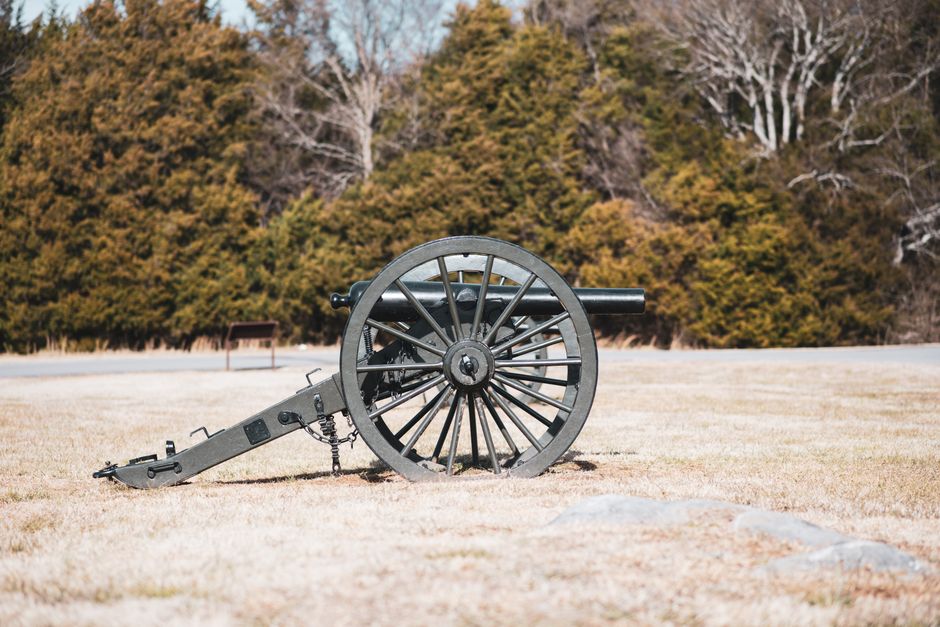
A historic cannon sits on grassy field under daylight, surrounded by trees.
Photo by Brixiv on Pexels

Read full note →

British Educational and Social Policies

Free model

The War of 1857, often called the First War of Independence or the Sepoy Mutiny, was a pivotal moment. Before 1857, the British East India Company largely governed through indirect rule, focused on trade and revenue. The rebellion, which saw widespread participation from various sections of Indian society, shocked the British. It highlighted the deep resentment against their rule and forced a re-evaluation of their administrative and social policies.

Read full note →

Rise of Muslim Nationalism and Sir Syed Ahmad Khan

Free model

The period following the War of 1857, also known as the Sepoy Mutiny or India's First War of Independence, was a turning point for Muslims in British India. The British largely blamed Muslims for the uprising, viewing them as rebellious and untrustworthy. This led to widespread persecution, confiscation of property, and exclusion from administrative positions, further deepening their economic and social decline.

Read full note →

Simla Deputation and the Foundations of Muslim League

Free model

The period from the 1857 War of Independence to the formation of the All-India Muslim League (AIML) in 1906 marks a critical transformation in Muslim political identity in British India.

The War of 1857, often called the Sepoy Mutiny by the British, was a watershed moment. While it involved various communities, the British largely blamed Muslims, seeing them as the main instigators due to the Mughal legacy and their perceived desire to restore old glories. This led to severe repression:

Read full note →