"Major groups of plants: Bryophytes, Pteridophytes, Gymnosperms, Angiosperms (brief overview)",
From the plants curriculum
TL;DR
Plants are broadly categorized into four major groups based on their evolutionary adaptations, especially regarding water dependence and reproduction. Bryophytes are non-vascular and reproduce with spores, while Pteridophytes are vascular but also spore-reproducing. Gymnosperms have seeds but no flowers, and Angiosperms are the most advanced, featuring both flowers and enclosed seeds.
1. The Mental Model
Think of plant evolution as a journey from simple, water-dependent forms to complex, land-adapted forms. Each major group represents a significant step in this journey, primarily marked by how they handle water transport and reproduce their offspring.
2. The Core Material
Understanding the major plant groups means looking at key evolutionary innovations that allowed plants to thrive on land. These innovations include the development of vascular tissue for water transport and different strategies for reproduction.
Bryophytes (Mosses, Liverworts, Hornworts)
These are the most primitive land plants. They lack true roots, stems, and leaves, and crucially, they don't have a vascular system (xylem and phloem) to transport water and nutrients efficiently. This means they must live in damp environments, absorbing water directly through their surfaces. Reproduction relies on spores and requires water for sperm to swim to the egg.
Pteridophytes (Ferns, Horsetails)
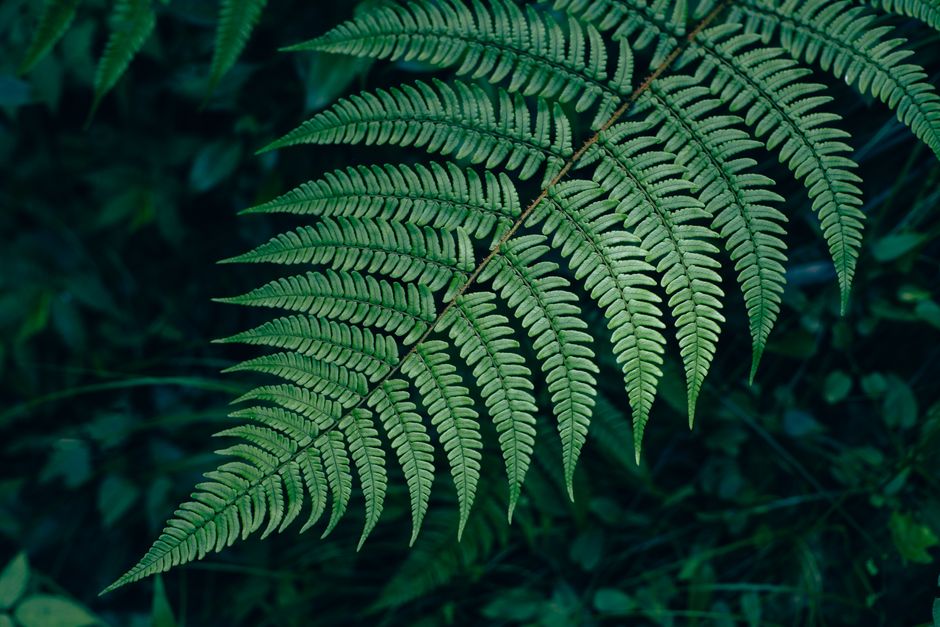
Photo by 高 长华 on Pexels
Pteridophytes were the first plants to develop a vascular system. This was a huge leap, allowing them to grow taller and live in drier places than bryophytes. However, like bryophytes, they still reproduce using spores and need water for fertilization. Think of them as the "transitional" group, mastering water transport but not yet seed production.
Gymnosperms (Conifers, Cycads, Ginkgo)

Photo by Александр Лич on Pexels
Gymnosperms are a game-changer because they developed seeds. Seeds offer protection and nourishment for the embryo, allowing plants to reproduce more effectively in diverse environments without needing standing water for fertilization. Their seeds are "naked" – not enclosed within a fruit. They also have a well-developed vascular system.
Angiosperms (Flowering Plants)

Photo by Werner Redlich on Pexels
Angiosperms are the most dominant and diverse group of plants today. Their major innovation is the development of flowers for reproduction and fruits to enclose and protect their seeds. Flowers attract pollinators, increasing reproductive efficiency, and fruits aid in seed dispersal. They have the most advanced vascular systems.
Here's a visual summary of these groups and their key features:
graph TD
    A["Plant Kingdom"] --> B["Bryophytes"]
    A --> C["Pteridophytes"]
    A --> D["Gymnosperms"]
    A --> E["Angiosperms"]

    B --> B1["No vascular tissue"]
    B --> B2["Spores for reproduction"]
    B --> B3["Need water for fertilization"]
    B --> B4["Mosses, Liverworts"]

    C --> C1["Vascular tissue present"]
    C --> C2["Spores for reproduction"]
    C --> C3["Need water for fertilization"]
    C --> C4["Ferns, Horsetails"]

    D --> D1["Vascular tissue present"]
    D --> D2["Seeds (naked) for reproduction"]
    D --> D3["No flowers or fruits"]
    D --> D4["Conifers, Cycads"]

    E --> E1["Vascular tissue present"]
    E --> E2["Seeds (enclosed in fruit)"]
    E --> E3["Flowers for reproduction"]
    E --> E4["Most diverse group"]
3. Worked Example
Imagine you find an unknown plant.
- Does it have flowers or fruits? If yes, it's an Angiosperm. (e.g., an apple tree, a rose bush).
- If no flowers/fruits, does it have seeds? If yes, and the seeds are "naked" (like a pine cone), it's a Gymnosperm. (e.g., a pine tree).
- If no seeds, does it have true leaves and stems (indicating vascular tissue)? If yes, and it reproduces via spores, it's a Pteridophyte. (e.g., a fern).
- If no true leaves/stems and no vascular tissue, and it's small and grows in damp places? It's a Bryophyte. (e.g., a patch of moss on a rock).
4. Key Takeaways
- Bryophytes are the simplest land plants, non-vascular, and spore-producing, requiring water for reproduction.
- Pteridophytes are the first to have vascular tissue, but they still reproduce using spores and need water for fertilization.
- Gymnosperms evolved seeds, which are "naked" (not in fruit), allowing for better land adaptation without needing water for fertilization.
- Angiosperms are the most advanced, characterized by flowers for reproduction and fruits that enclose their seeds.
- The progression from bryophytes to angiosperms shows increasing independence from water for reproduction and improved structural support.
- Vascular tissue was a major evolutionary step, enabling plants to grow larger and colonize more terrestrial habitats.
- Seeds were another critical innovation, offering protection and dispersal advantages for plant embryos.
Common Mistakes to Avoid:
- Don't confuse non-vascular (Bryophytes) with vascular but spore-producing (Pteridophytes).
- Remember that Gymnosperms have seeds, but no flowers or fruits.
- Don't assume all spore-producing plants lack vascular tissue; Pteridophytes have it.
- Overlooking the crucial role of water in the reproduction of bryophytes and pteridophytes.
5. Now Try It
Go into your garden or a nearby park. Find three different plants. For each plant, try to identify which of the four major groups (Bryophyte, Pteridophyte, Gymnosperm, or Angiosperm) it belongs to based on the presence or absence of vascular tissue, spores, seeds, flowers, and fruits. Note down your observations for each plant and your conclusion. Success looks like correctly classifying at least two out of the three plants.
Frequently asked about "Major groups of plants: Bryophytes, Pteridophytes, Gymnosperms, Angiosperms (brief overview)",
More from plants
Get the full plants curriculum
Clone the complete plan to your dashboard for unlimited AI-generated notes, practice quizzes, and a personalised revision schedule.
Save this course free