Introduction to Corporate Social Responsibility (CSR)
From the CSR and it's types curriculum
TL;DR
CSR is how businesses actively contribute to societal well-being and environmental sustainability beyond just making a profit. It involves integrating social and environmental concerns into business operations and interactions with stakeholders. Thinking about CSR helps companies build better reputations, attract talent, and manage risks more effectively.
1. The Mental Model
Think of a company not just as a money-making machine, but as a good citizen in the community. CSR is all about that company deciding to use its power and resources to make things better for people and the planet, not just its shareholders.
2. The Core Material
Corporate Social Responsibility (CSR) is a business concept where companies consider and address their impact on society and the environment. It's about a company taking responsibility for its actions and encouraging a positive impact through its activities on consumers, employees, communities, stakeholders, and the environment.
Historically, the primary goal of a business was to maximize profits for its shareholders. However, over time, the understanding has evolved to recognize that businesses operate within a larger social and environmental ecosystem. Companies depend on healthy societies, stable environments, and well-educated workforces to thrive in the long run.
CSR isn't just charity or philanthropy (though those can be part of it). It's about integrating social and environmental considerations into the core business strategy and operations. This means looking at everything from how products are made, to how employees are treated, to the company's impact on local communities and global ecosystems.
Key Aspects of CSR:
-
Environmental Responsibility: This focuses on reducing the negative impact businesses have on the environment. It includes things like:
- Reducing pollution and greenhouse gas emissions.
- Minimizing waste and promoting recycling.
- Conserving natural resources (water, energy).
- Developing sustainable products and services.
- Using renewable energy sources.
-
Ethical Responsibility: This ensures a company operates in a fair and ethical manner. It covers:
- Fair labor practices (safe working conditions, fair wages, no child labor).
- Ethical sourcing of materials (avoiding conflict minerals, ensuring ethical supply chains).
- Transparency in business operations.
- Fighting corruption and bribery.
- Respecting human rights.
-
Philanthropic Responsibility: This involves a company actively giving back to society. It can be through:
- Donating money or resources to charities.
- Sponsoring community events.
- Employee volunteering programs.
- Building schools or infrastructure in developing areas.
-
Economic Responsibility (within CSR context): While profit-making is fundamental, in the context of CSR, economic responsibility means doing so in a way that benefits society. This includes:
- Creating jobs and contributing to economic growth.
- Paying fair taxes.
- Investing in local communities.
- Developing innovative products that solve societal problems.
Why do companies engage in CSR?
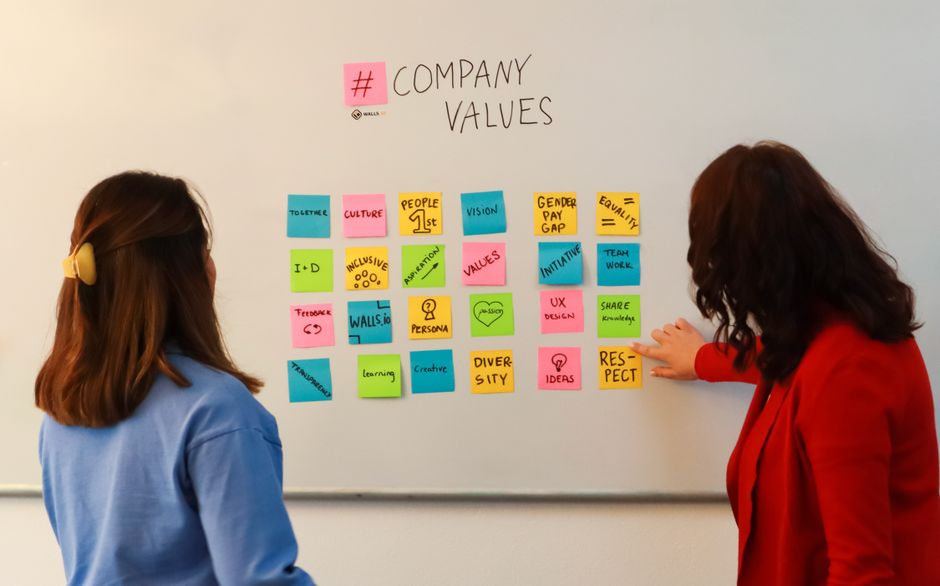
Photo by Walls.io on Pexels
- Improved Brand Image & Reputation: Consumers are increasingly choosing brands that align with their values.
- Enhanced Employee Morale & Attraction: Employees, especially younger generations, want to work for companies that make a positive impact.
- Risk Management: Proactively addressing social and environmental issues can prevent negative publicity, boycotts, and regulatory fines.
- Cost Savings: Eco-friendly practices (like energy efficiency) can reduce operational costs.
- Access to Capital: Some investors prefer to fund socially responsible companies.
- Innovation: Developing sustainable solutions can lead to new products, services, and market opportunities.
- Compliance & Regulatory Advantage: Staying ahead of regulations can provide a competitive edge.
Here's a simple flow of how a company might approach CSR:
graph TD
    A["Company's Core Business"] --> B["Identifies Social/Environmental Impacts"]
    B --> C{"What are we responsible for?"}
    C --> C1["Environmental (e.g., carbon footprint)"]
    C --> C2["Ethical (e.g., labor practices)"]
    C --> C3["Philanthropic (e.g., community support)"]
    C --> C4["Economic (e.g., local investment)"]
    C1 --> D["Develops CSR Initiatives/Policies"]
    C2 --> D
    C3 --> D
    C4 --> D
    D --> E["Integrates into Operations & Strategy"]
    E --> F["Reports & Communicates CSR Efforts"]
    F --> G["Monitors & Improves"]
3. Worked Example
Imagine "GreenTech Gadgets," a company that makes smartphones. They decide to embrace CSR.
- Environmental: They switch their factory to 80% renewable energy, design phones with more recycled materials, and set up a program for customers to send old phones back for proper recycling. This reduces their carbon footprint and waste.
- Ethical: They conduct regular audits of their overseas suppliers to ensure workers receive fair wages, have safe working conditions, and aren't subject to excessive hours. They also publish their full supply chain online for transparency.
- Philanthropic: GreenTech Gadgets partners with a non-profit to provide refurbished phones and internet access to underserved communities, and their employees get paid time off to volunteer for environmental clean-up projects.
- Economic: They commit to sourcing a certain percentage of their components from local, small businesses where possible, stimulating the regional economy.
By doing all this, GreenTech Gadgets isn't just making phones; they're actively trying to be a positive force, which helps them attract eco-conscious customers and talented engineers who want to work for a responsible company.
4. Key Takeaways
- CSR is about businesses taking responsibility for their societal and environmental impact beyond just making profits.
- It involves integrating ethical, social, and environmental concerns into a company's core operations and strategy.
- Key aspects of CSR include environmental, ethical, philanthropic, and economically responsible actions.
- Companies engage in CSR for improved reputation, better employee engagement, risk management, and potential cost savings.
- CSR is more than just charity; it's a strategic approach to sustainable business practices.
Common mistakes to avoid:
- Greenwashing: Don't just say you're socially responsible without genuinely making an effort; people see through it.
- Ignoring the supply chain: CSR isn't just about your direct operations; it extends to how your suppliers operate too.
- Lack of integration: Don't treat CSR as a separate "add-on" program; weave it into your company's overall strategy.
- Not measuring impact: You need to track and report on your CSR efforts to show real progress and identify areas for improvement.
5. Now Try It
Think about a well-known company you interact with regularly (e.g., a coffee shop, a clothing brand, a tech company). Spend 15 minutes researching their website or recent news to find two specific examples of how they demonstrate CSR in action. Then, consider if these actions align with one of the four key aspects of CSR (environmental, ethical, philanthropic, economic).
Success looks like: You've identified two distinct CSR initiatives and categorized them, showing you understand what CSR looks like in practice.
Frequently asked about Introduction to Corporate Social Responsibility (CSR)
Study this next
Get the full CSR and it's types curriculum
Clone the complete plan to your dashboard for unlimited AI-generated notes, practice quizzes, and a personalised revision schedule.
Save this course free