Non-Verbal Communication
From the Communication skills curriculum
TL;DR
Non-verbal communication (NVC) is everything you communicate without using words, like body language, facial expressions, and tone of voice. It often conveys more meaning than your spoken words and can significantly impact how your message is received. Understanding and managing your NVC helps you communicate more effectively and build stronger connections.
1. The Mental Model
Think of non-verbal communication as the "silent language" that constantly accompanies your spoken words. It's like the music accompanying a movie – it sets the mood, adds depth, and can even change how you interpret the dialogue, often without you even realizing it.
2. The Core Material
Non-verbal communication is a broad topic, but we can break it down into several key categories. Mastering these areas will dramatically improve your overall communication effectiveness.
2.1 Body Language (Kinesics)
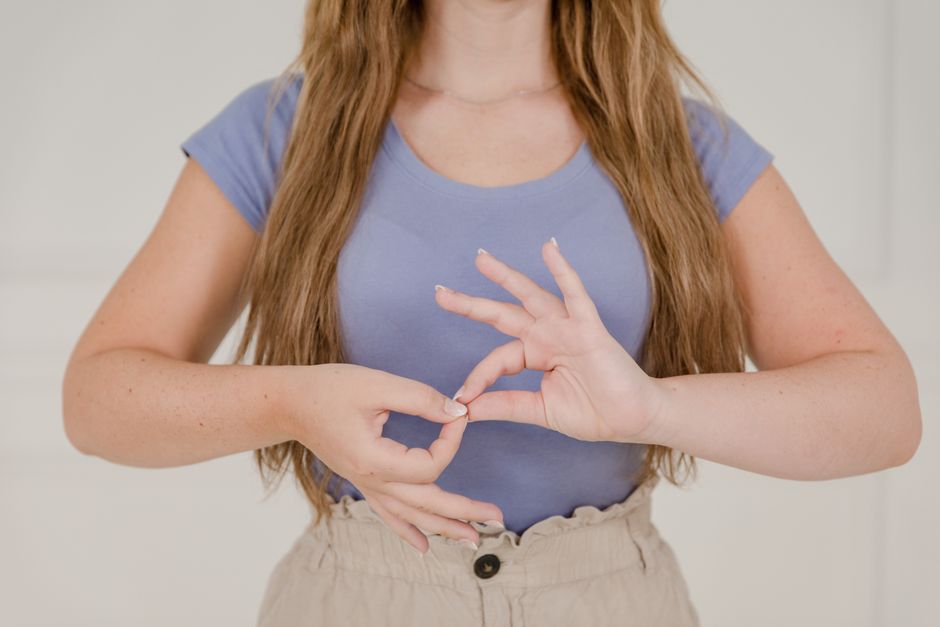
Photo by RDNE Stock project on Pexels
This is probably what most people think of when they hear "non-verbal communication." It includes:
- Posture: How you hold yourself. Standing tall and open can signal confidence and approachability, while slumped shoulders might suggest disinterest or low energy.
- Gestures: Movements of your hands, arms, and head. Pointing, waving, or giving a thumbs-up are all gestures. They can emphasize points or express emotions.
- Eye Contact: Where and how long you look at someone. Appropriate eye contact shows engagement and sincerity, while too much can be perceived as aggressive, and too little as evasive.
- Facial Expressions: Your face is incredibly expressive. Smiles, frowns, raised eyebrows, and widened eyes all convey immediate emotions like joy, confusion, anger, or surprise.
2.2 Proxemics (Personal Space)
This refers to the distance you maintain from others. Different cultures and situations have different expectations for personal space. Invading someone's personal space can make them uncomfortable, while being too far away might make you seem distant or uninterested.
2.3 Paralanguage (Vocalics)
This isn't what you say, but how you say it. It includes:
- Tone of Voice: The emotional quality of your voice (e.g., warm, sarcastic, cold).
- Pitch: How high or low your voice is.
- Volume: How loud or soft you speak.
- Rate of Speech: How fast or slow you talk.
- Pauses and Silence: Using silence strategically can emphasize a point or allow someone to process information.
2.4 Haptics (Touch)
Photo by Towfiqu barbhuiya on Pexels
Touch is a powerful non-verbal cue, but it's highly context-dependent and culturally sensitive. A handshake, a pat on the back, or a hug all convey different messages.
2.5 Appearance
Your clothing, grooming, and overall appearance also send non-verbal messages about your professionalism, attention to detail, and respect for the situation.
It's important to remember that non-verbal cues often work together, and sometimes they can even contradict your verbal message. When your non-verbal cues align with your words, your message is much stronger and more credible.
Here's a simple flow of how NVC impacts message interpretation:
graph TD
    A["Verbal Message (Words)"] --> C["Recipient's Interpretation"]
    B["Non-Verbal Cues (Body Language, Tone, etc.)"] --> C
    A -- "Can be reinforced or contradicted by" --> B
3. Worked Example
Imagine you're in a job interview.
Scenario A (Effective NVC): You walk in with a confident posture, make appropriate eye contact with the interviewer, offer a firm handshake, and speak in a clear, moderate tone. When asked a question, you nod slightly, showing you're listening, and smile genuinely when appropriate. Your gestures are open, and you maintain a comfortable distance.
Impact: The interviewer likely perceives you as confident, engaged, professional, and trustworthy, which reinforces your verbal answers.
Scenario B (Ineffective NVC): You slouch in your chair, avoid eye contact, mumble your answers, and constantly fidget with your hands. Your tone is flat, and you lean back, crossing your arms defensively.
Impact: Despite having good answers verbally, the interviewer might perceive you as nervous, disinterested, evasive, or even untrustworthy. Your non-verbal cues contradict your verbal message, making your overall impression negative.
The same words might be spoken in both scenarios, but the non-verbal communication drastically alters how those words are received and interpreted.
4. Key Takeaways
- Non-verbal cues like body language, tone, and eye contact often convey more meaning than spoken words.
- Your non-verbal communication can reinforce or contradict your verbal message, impacting credibility.
- Pay attention to your posture, gestures, and facial expressions to project confidence and engagement.
- Use appropriate eye contact to show sincerity and interest, but avoid staring or looking away too much.
- Your tone of voice, pitch, and volume significantly influence how your message is received.
- Be aware of personal space and cultural differences in non-verbal communication.
- A consistent and aligned non-verbal presence strengthens your overall message.
Common Mistakes to Avoid:
- Incongruence: Your non-verbal cues don't match your verbal message (e.g., saying "I'm fine" with a sad face).
- Lack of Awareness: Not realizing the messages your body is constantly sending.
- Overlooking Context: Misinterpreting non-verbal cues because you're not considering the specific situation or culture.
- Excessive Fidgeting: Nervous habits like tapping, hair twirling, or constantly shifting can be distracting and signal anxiety.
5. Now Try It
For the next 15 minutes, consciously observe the non-verbal communication of people around you (friends, family, people on TV/movies). Pay attention to their posture, facial expressions, eye contact, and tone of voice. Try to guess what emotions they might be feeling or what their non-verbal cues are communicating. Then, consciously try to align your own non-verbal communication with the message you want to send when you speak. Success looks like you becoming more aware of both your own and others' non-verbal cues, and feeling more in control of the messages you're sending without words.
Frequently asked about Non-Verbal Communication
Study this next
Get the full Communication skills curriculum
Clone the complete plan to your dashboard for unlimited AI-generated notes, practice quizzes, and a personalised revision schedule.
Save this course free