Environmental Management and Sustainability
From the hygiène santé sécurité environnement curriculum
TL;DR
Environmental management focuses on reducing an organization's negative impact on the environment while ensuring resource longevity. Sustainability integrates environmental, social, and economic considerations for long-term well-being. Both aim for responsible resource use and operational practices that protect our planet for future generations.
1. The Mental Model
Think of environmental management as the "how-to" guide for a business to be greener, covering things like waste reduction and energy efficiency. Sustainability is the broader "why" – ensuring we meet today's needs without compromising future generations' ability to meet theirs.
2. The Core Material
Environmental management and sustainability are deeply linked concepts. Environmental Management (EM) refers to the systematic approach an organization takes to manage its environmental impacts. This often involves specific policies, procedures, and practices designed to minimize harm, comply with regulations, and improve environmental performance.
Sustainability, on the other hand, is a broader concept that considers not just the environment, but also social and economic factors. It's often described by the "triple bottom line": People, Planet, Profit. True sustainability means finding a balance where environmental protection, social equity, and economic viability are all achieved simultaneously and long-term.
Key Principles of Environmental Management
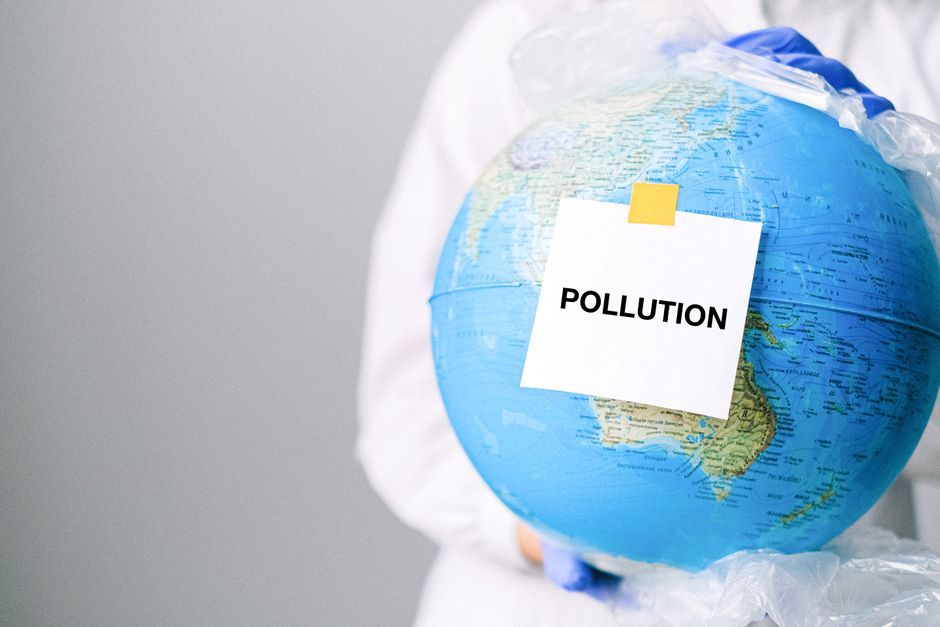
Photo by Anna Shvets on Pexels
- Life Cycle Thinking: Consider the environmental impacts of a product or service from raw material extraction, through manufacturing, use, and disposal (or recycling).
- Pollution Prevention: Focus on preventing pollution at its source rather than treating it after it's created. This includes reducing waste, conserving energy, and using less toxic materials.
- Continual Improvement: Regularly review and improve environmental performance, often following a "Plan-Do-Check-Act" (PDCA) cycle.
- Compliance: Adhere to all relevant environmental laws, regulations, and other requirements.
Elements of a Sustainability Strategy

Photo by Leeloo The First on Pexels
- Environmental Stewardship: Reducing ecological footprint, conserving resources, protecting biodiversity.
- Social Equity: Fair labor practices, community engagement, human rights, diversity, and inclusion.
- Economic Viability: Long-term financial health, responsible governance, ethical business practices, innovation for sustainable solutions.
The Relationship: EM as a Tool for Sustainability
Environmental management systems (like ISO 14001) are practical frameworks that help organizations implement the environmental aspects of a broader sustainability strategy. By effectively managing environmental impacts, an organization contributes significantly to its overall sustainability goals.
Here's a simplified view of how EM fits within a sustainability strategy:
graph TD
    A["Vision de Durabilité (Long Terme)"] --> B["Objectifs Stratégiques (Moyen Terme)"]
    B --> C["Pilier Environnemental (Planet)"]
    B --> D["Pilier Social (People)"]
    B --> E["Pilier Économique (Profit)"]
    C --> F["Gestion Environnementale (EM)"]
    F --> G["Réduction des Déchets"]
    F --> H["Efficacité Énergétique"]
    F --> I["Prévention de la Pollution"]
    D --> J["Pratiques de Travail Équitables"]
    E --> K["Modèles d'Affaires Durables"]
Challenges and Opportunities

Photo by Anna Tarazevich on Pexels
- Challenges: Initial costs for sustainable technologies, complex supply chains, changing regulations, stakeholder resistance, balancing all three pillars.
- Opportunities: Cost savings (e.g., energy efficiency), enhanced brand reputation, competitive advantage, innovation, attracting talent, risk reduction (e.g., regulatory fines).
3. Worked Example
Let's imagine a small manufacturing company, "EcoParts Inc.", that produces plastic components.
Current Situation: EcoParts uses traditional molding processes, generating significant plastic scrap and consuming a lot of electricity. They dispose of scrap in landfills and have increasing energy bills.
Implementing Environmental Management (EM):
- Plan: EcoParts decides to get ISO 14001 certified. They analyze their energy consumption and waste streams. They set a goal to reduce plastic waste by 30% and electricity use by 15% within 2 years.
- Do: They invest in more energy-efficient molding machines and implement a system to collect and recycle plastic scrap internally. They train employees on waste sorting and energy-saving practices.
- Check: Monthly, they track their electricity usage and the amount of plastic waste generated and recycled. They find they're on track for energy but lagging on waste reduction.
- Act: They investigate the waste issue and discover some machines are incorrectly calibrated, leading to more scrap. They recalibrate and introduce stricter quality checks.
Integrating into Sustainability:
EcoParts realizes EM is good, but they want to be truly sustainable.
- Environmental: Beyond waste/energy, they start exploring using recycled plastics as raw material, reducing their reliance on virgin resources (Life Cycle Thinking).
- Social: They review their supply chain for ethical sourcing of raw materials, ensuring suppliers have fair labor practices. They also launch a community outreach program to educate local schools about recycling.
- Economic: By reducing waste and energy, they save money, making their business more resilient. They also find that customers are increasingly preferring their "greener" products, leading to new sales opportunities and a stronger brand. They develop new, lighter components that use less material, appealing to clients looking for fuel-efficient designs.
This shows how EM (reducing waste, energy) is a vital part of the "Planet" pillar, which then combines with "People" and "Profit" to form a comprehensive sustainability strategy.
4. Key Takeaways
- Environmental Management (EM) is a systematic approach to control an organization's environmental impacts.
- Sustainability is a broader concept encompassing environmental, social, and economic dimensions for long-term well-being.
- EM practices like pollution prevention and resource efficiency are crucial tools for achieving environmental sustainability goals.
- The "triple bottom line" (People, Planet, Profit) is a common framework for understanding sustainability.
- Life cycle thinking helps identify impacts across a product's entire existence, from cradle to grave.
- Common Mistakes to Avoid:
- Confusing EM with sustainability; EM is often a component of sustainability, not the whole thing.
- Focusing only on environmental aspects and ignoring social and economic pillars of sustainability.
- Implementing "greenwashing" – making unsubstantiated claims about environmental benefits without real action.
- Viewing sustainability as purely a cost, rather than an opportunity for innovation and competitive advantage.
5. Now Try It
For 15 minutes, think about a product you use daily (e.g., your smartphone, a favorite snack, a piece of clothing).
- List three environmental impacts associated with its entire lifecycle (from raw materials to disposal).
- Suggest one specific environmental management action the company producing it could take to reduce one of those impacts.
- Suggest one social and one economic sustainability action they could take beyond just environmental changes.
Success looks like clearly identifying different types of impacts and proposing concrete, distinct actions for each of the three pillars of sustainability.
Frequently asked about Environmental Management and Sustainability
Study this next
Get the full hygiène santé sécurité environnement curriculum
Clone the complete plan to your dashboard for unlimited AI-generated notes, practice quizzes, and a personalised revision schedule.
Save this course free