Biogeographical Patterns and Biodiversity
From the how nature works in harmony curriculum
TL;DR
Biogeographical patterns describe how living things are distributed across the Earth, shaped by geography, climate, and historical events. These patterns directly influence biodiversity, which is the variety of life in an area, from genes to ecosystems. Understanding these connections helps us protect our planet's natural harmony and unique species.
1. The Mental Model
Imagine Earth's surface as a giant, ever-changing jigsaw puzzle. Each piece is a different habitat, and the organisms living there are uniquely adapted to that piece, making their distribution across the whole puzzle far from random.
2. The Core Material
Biogeography is the study of how species and ecosystems are distributed in space and time. It helps us understand why certain species are found where they are and why some places have many more species than others. This isn't just about current conditions; it's deeply tied to Earth's dynamic history.
What Shapes Biogeographical Patterns?
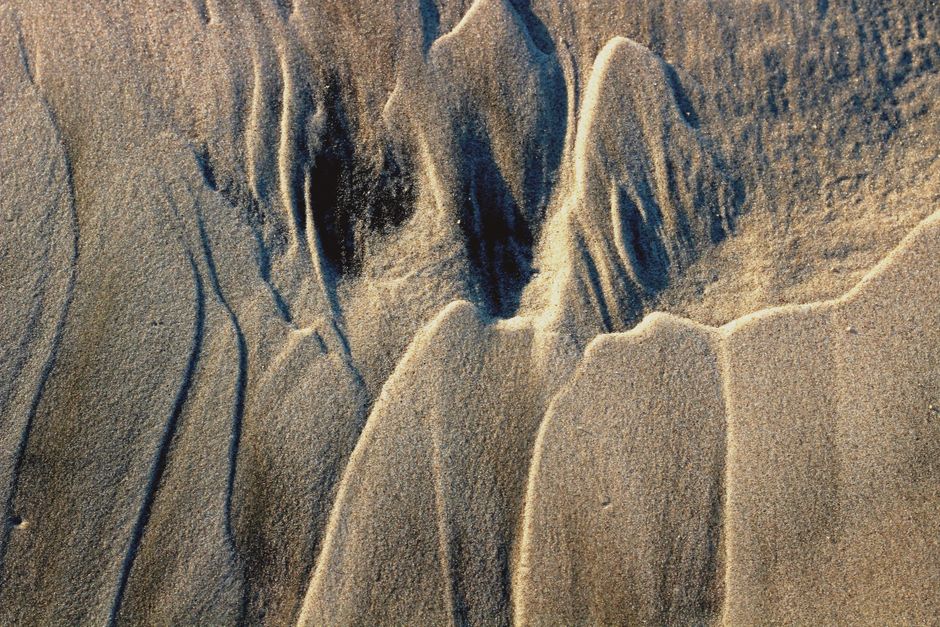
Photo by Landiva Weber on Pexels
Several factors interact to create these patterns:
- Climate: Temperature, rainfall, and sunlight are huge drivers. For example, tropical rainforests near the equator are warm and wet, supporting incredibly diverse life, while deserts are hot and dry, leading to very different, specialized species.
- Geography & Topography: Mountains act as barriers, preventing species from moving, leading to endemism (species found only in one specific area). Rivers and oceans can also isolate populations.
- Historical Events:
- Continental Drift: When continents moved over millions of years, they carried species with them, leading to new environments and isolation. This explains why marsupials are so diverse in Australia but less so elsewhere.
- Glaciations: Ice ages pushed species towards the equator, and as ice retreated, new areas were colonized, often leading to species spreading out or becoming isolated in "refugia."
- Geological Uplift/Volcanism: Creation of new landforms or islands provides new habitats that species can colonize and evolve in unique ways.
- Dispersal & Colonization: How species spread to new areas. Some can fly, some drift on currents, some hitchhike. The ability to disperse affects their distribution.
- Interactions with other Species: Competition, predation, and mutualism also play a role in where species can successfully live.
How Biogeographical Patterns Influence Biodiversity
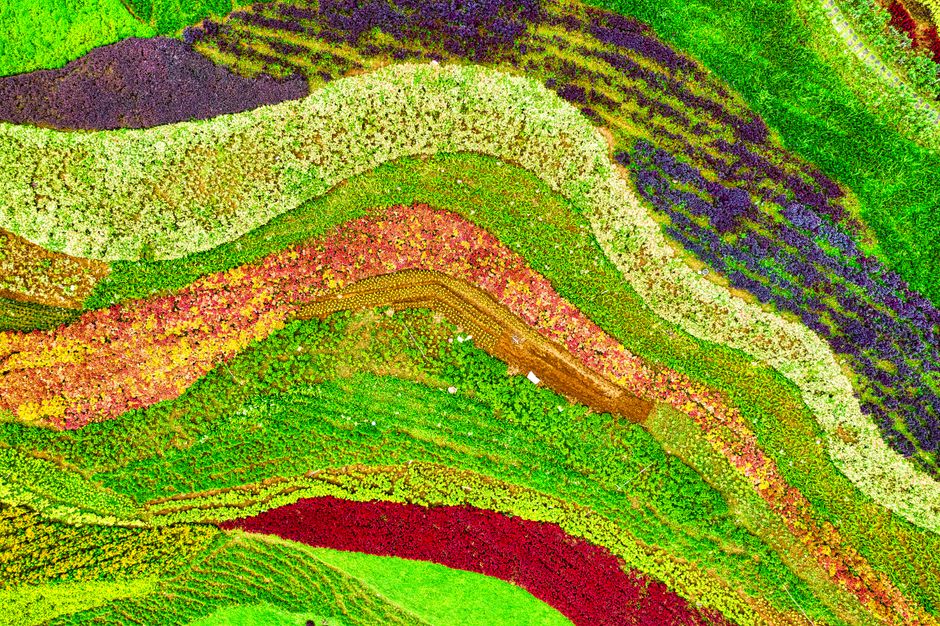
Photo by Tom Fisk on Pexels
Biodiversity refers to the variety of life on Earth. It's usually measured at three levels:
- Genetic diversity: Variety within a single species (e.g., different dog breeds).
- Species diversity: The number of different species in an area.
- Ecosystem diversity: The variety of habitats, communities, and ecological processes.
Biogeographical patterns are fundamental to understanding biodiversity. Here’s how:
- Latitudinal Gradients: Generally, species richness (the number of different species) is highest near the equator and decreases towards the poles. This is a classic biogeographical pattern, likely due to more stable climates, higher energy input, and older, less disturbed ecosystems in tropical regions.
- Island Biogeography: Islands, due to their isolation, often have high rates of endemism but can be vulnerable. The theory of island biogeography suggests that the number of species on an island is a balance between new species arriving (colonization) and existing species disappearing (extinction). Larger islands closer to the mainland tend to have more species.
- Hotspots: Biogeography helps identify biodiversity hotspots, which are regions with exceptionally high levels of endemic species and are also severely threatened by habitat loss. These areas are crucial for conservation efforts.
- Barriers and Speciation: When a geographical barrier like a mountain range separates a population, the two groups can evolve independently over time, eventually becoming distinct species. This is called allopatric speciation, a direct link between geography and the creation of new biodiversity.
Here's a simplified view of how these factors interconnect:
graph TD
    A["Climate (Temp, Rainfall)"] --> B["Habitat Type & Resources"]
    C["Geographical Barriers (Mountains, Oceans)"] --> D["Isolation of Populations"]
    E["Historical Events (Continental Drift, Glaciation)"] --> F["Past Species Distribution"]
    B --> G["Species Distribution & Adaptations"]
    D --> G
    F --> G
    G --> H["Biodiversity (Species Richness, Endemism)"]
    H --> I["Ecosystem Function & Stability"]
    I --> J["Human Well-being (Resources, Services)"]
3. Worked Example
Let's look at the example of Madagascar.
- Biogeographical Pattern: Madagascar is an island nation off the coast of East Africa. It's famous for its exceptionally high endemism. Over 90% of its plants and animals are found nowhere else on Earth.
- Driving Factors:
- Continental Drift: Madagascar separated from the African continent and India roughly 160-80 million years ago. This long isolation allowed its species to evolve along unique paths without competition or interbreeding with mainland species.
- Unique Climate & Geography: Despite being an island, Madagascar has incredibly diverse microclimates, from dry spiny forests in the south to lush rainforests in the east and central highlands. This variety created many different niches for species to adapt to.
- Impact on Biodiversity:
- This isolation and diverse environment led to the evolution of iconic groups like lemurs (all species are endemic to Madagascar), unique chameleons, and baobab trees. It's a prime example of an evolutionary hotspot.
- However, this endemism also makes Madagascar's biodiversity extremely vulnerable. Habitat loss from deforestation (for agriculture, logging, charcoal) directly threatens these unique species, as they have nowhere else to go.
Understanding Madagascar's biogeographical history helps conservationists prioritize its unique ecosystems and species.
4. Key Takeaways
- Biogeographical patterns show where species are found, driven by climate, geography, and history.
- Climate is a major factor: tropical regions generally have more species than polar regions (latitudinal gradient).
- Geographical barriers like mountains or oceans isolate populations, often leading to new species (speciation) and unique local species (endemism).
- Earth's deep history, like continental drift and ice ages, has shaped where species live today.
- Biodiversity is the variety of life, and biogeography helps us understand why some areas are richer in species than others.
- Island biogeography explains why islands have unique, often vulnerable, species populations.
- Identifying biodiversity hotspots through biogeographical studies is vital for targeted conservation efforts.
Common Mistakes to Avoid:

Photo by KATRIN BOLOVTSOVA on Pexels
- Thinking biodiversity is just about species count: Remember, it includes genetic and ecosystem diversity too.
- Ignoring the role of history: Current species distributions aren't just about today's climate; millions of years of geological and evolutionary history play a huge part.
- Underestimating human impact: While natural forces shape patterns, human activities are now the dominant force altering these distributions and causing extinctions.
- Confusing endemism with rarity: An endemic species is only found in one place, but it might be locally common there; a rare species is simply uncommon wherever it lives.
5. Now Try It
Imagine a newly formed volcanic island appears in the middle of a vast ocean, about 500 miles from the nearest mainland. Spend 15 minutes thinking about and jotting down:
- What types of organisms (plants, animals, microbes) do you think would be the first to colonize this island, and how would they likely get there?
- How might the biodiversity on this island change over the next few thousand years, considering the principles of island biogeography? What factors might limit its ultimate species richness?
Success looks like: You've identified a few realistic colonizers and dispersal methods, and you can explain how isolation and distance from the mainland would influence the island's developing ecosystem over time.
Frequently asked about Biogeographical Patterns and Biodiversity
Study this next
Get the full how nature works in harmony curriculum
Clone the complete plan to your dashboard for unlimited AI-generated notes, practice quizzes, and a personalised revision schedule.
Save this course free