Genetics, Evolution, and Behavior
From the Biology psychology, life span psychology, attitudes and stereotypes, social influence curriculum
TL;DR
Your genes provide a blueprint that interacts with your environment to shape your behavior. Evolution, through natural selection, explains how these genetic predispositions become common in a population over time. Understanding this interplay helps us see why certain behaviors are widespread and how they might have offered survival advantages.
1. The Mental Model
Think of your genes as a set of instructions, and your environment as the conditions that determine how those instructions are read and expressed. Evolution is the process that "edits" these instructions over generations, favoring those that help an organism survive and reproduce.
2. The Core Material
This topic explores how our genetic makeup and the evolutionary history of our species influence our thoughts, feelings, and actions. It's not about genes alone determining behavior, but how they set up predispositions that then interact with our experiences.
Genes and Behavior: Beyond "Nature vs. Nurture"
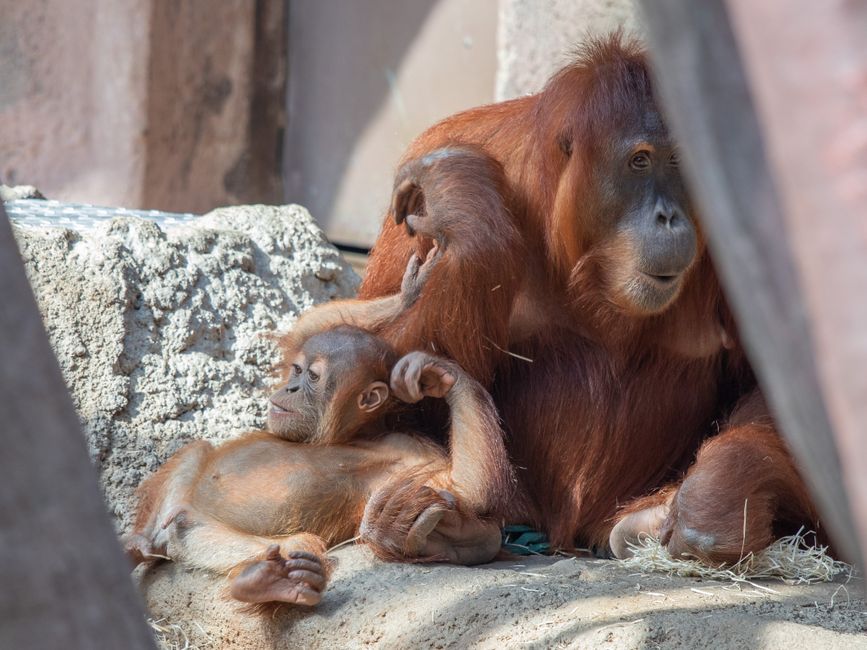
Photo by Lusynda <3 on Pexels
The old debate of "nature vs. nurture" is largely outdated. Instead, we now understand that genes and environment constantly interact. Your genes don't dictate behavior directly; they influence the development of your brain and body, which then interact with your environment.
- Genotype: This is your specific genetic makeup, the blueprint you inherited.
- Phenotype: This is the observable expression of your genotype, influenced by both your genes and your environment (e.g., your height, your personality traits, your susceptibility to certain conditions).
For example, two people might have genes predisposing them to anxiety (genotype). However, if one grows up in a very stressful environment and the other in a calm, supportive one, their actual experience of anxiety (phenotype) might be very different.
Evolution by Natural Selection
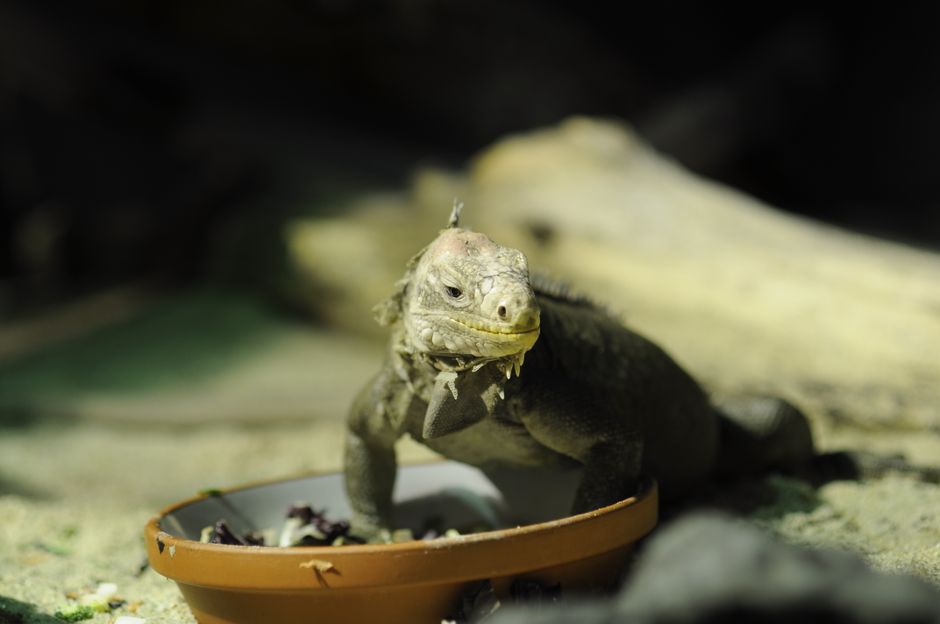
Photo by Cosmin Gavris on Pexels
Evolution is the change in the heritable characteristics of biological populations over successive generations. Natural selection is the primary mechanism driving this change. It works on three basic principles:
- Variation: Individuals within a population vary in their traits (e.g., some are faster, some are more social).
- Inheritance: Many of these variations are heritable, meaning they can be passed from parents to offspring.
- Differential Survival and Reproduction: Individuals with traits better suited to their environment are more likely to survive, reproduce, and pass on those advantageous traits.
Over many generations, these advantageous traits become more common in the population. Behaviors that increased the chances of survival and reproduction in our ancestors (like forming social bonds, avoiding dangerous situations, or seeking food) are often called adaptive behaviors.
graph TD
    A["Genetic Variation (within a population)"] --> B["Environmental Pressures (e.g., food scarcity, predators)"]
    B --> C["Differential Survival & Reproduction (some individuals thrive)"]
    C --> D["Advantageous Traits Passed On (via genes)"]
    D --> E["Increased Frequency of Advantageous Traits (over generations)"]
    E --> F["Evolutionary Adaptation (population changes)"]
Evolutionary Psychology
This field specifically applies the principles of evolution by natural selection to understand human behavior. It suggests that many of our psychological traits and behaviors are adaptations that evolved to solve problems faced by our ancestors in the "Environment of Evolutionary Adaptedness" (EEA), which refers to the ancestral hunter-gatherer environments.
Examples of behaviors often explored through an evolutionary lens include:
- Mate selection: Why do people find certain traits attractive? (e.g., indicators of health or reproductive fitness).
- Altruism: Why do we help others, even at a cost to ourselves? (e.g., kin selection, reciprocal altruism).
- Fear and phobias: Why are we more easily conditioned to fear snakes and spiders than cars or outlets? (Ancestral threats).
It's crucial to remember that evolved behaviors aren't fixed or unchangeable. They provide a general predisposition that is still shaped by culture, learning, and individual experiences. Also, what was adaptive in the EEA might not always be adaptive in modern society (e.g., a strong preference for high-fat, high-sugar foods).
3. Worked Example
Let's consider the human preference for sweet and fatty foods.
Observation: Across many cultures, people generally enjoy foods that are sweet and fatty, even when healthier options are available. This preference can sometimes lead to health issues in modern, food-abundant societies.
Evolutionary Explanation: In the EEA, our ancestors lived in environments where food was often scarce.
- Sweetness indicated ripe fruit, a source of quick energy (glucose).
- Fats provided dense energy and essential nutrients crucial for survival when food was unpredictable.
Individuals who had a genetic predisposition to prefer sweet and fatty foods would have been more motivated to seek out and consume these valuable, energy-rich resources. This preference would have given them a survival advantage: more energy, better chances of surviving lean times, and thus a higher likelihood of reproducing and passing on those "sweet/fat-preferring" genes.
Over many generations, this adaptive preference became common in the human population. Today, in environments with an abundance of processed, high-sugar, high-fat foods, this formerly adaptive preference can become maladaptive, contributing to health problems like obesity and type 2 diabetes. This shows how an evolved predisposition interacts with a drastically changed modern environment.
4. Key Takeaways
- Your genes provide a blueprint, but your environment heavily influences how those genes are expressed in your behavior.
- Evolution, particularly natural selection, explains how certain genetic predispositions and behaviors become common over generations.
- Behaviors that were adaptive for our ancestors (e.g., favoring high-energy foods) might not always be beneficial in modern environments.
- Evolutionary psychology helps us understand the "why" behind some universal human behaviors by looking at our ancestral past.
- Human behavior is a complex interplay of genetic predispositions and environmental influences, not a simple "nature vs. nurture" split.
Common Mistakes to Avoid:
- Genetic Determinism: Don't think genes solely determine behavior; they create predispositions that interact with your environment.
- Ignoring the Environment: Remember that even evolved traits are expressed and shaped by learning, culture, and individual experiences.
- "Just-So Stories": Be careful with explanations that sound plausible but lack strong empirical evidence; evolutionary explanations need testing.
- Believing Evolution is About "Progress": Evolution isn't about moving towards a "perfect" form; it's about adaptation to a specific environment.
5. Now Try It
Take a common human behavior you observe daily, like people forming social groups or reacting strongly to certain types of threats. For about 15 minutes, try to sketch out a simple evolutionary explanation for why that behavior might have been advantageous for our ancestors. What problem might it have solved in the EEA? What environmental pressures might have favored it?
Success looks like you identifying a specific behavior, proposing a plausible ancestral problem it might have addressed, and linking it to how that behavior could have increased survival or reproduction for individuals with that predisposition.
Frequently asked about Genetics, Evolution, and Behavior
Study this next
Get the full Biology psychology, life span psychology, attitudes and stereotypes, social influence curriculum
Clone the complete plan to your dashboard for unlimited AI-generated notes, practice quizzes, and a personalised revision schedule.
Save this course free