Biological Bases of Behavior
From the https://nationalueduph.sharepoint.com/:b:/s/INTRODUCTIONTOPSYCHOLOGYPSY268TF9AM-11AM/IQAXSO-RwCfnSKy8VfleGwmbAcQfifEy2vXmIBgXVOkLiGM curriculum
TL;DR
Your thoughts, feelings, and actions all stem from your biological makeup, primarily your brain and nervous system. Neurons, the basic units of the nervous system, communicate using electrical and chemical signals. Different brain regions are specialized for various functions, influencing everything you experience.
1. The Mental Model
Think of your brain and nervous system as the body's super-advanced computer system. It's constantly processing information, sending signals, and coordinating everything you do, from breathing to solving complex problems, all through biological mechanisms.
2. The Core Material
The biological bases of behavior explain how our physiology—especially the brain, nervous system, and endocrine system—influences our thoughts, emotions, and actions. It's a fundamental part of understanding psychology.
Neurons: The Brain's Messengers
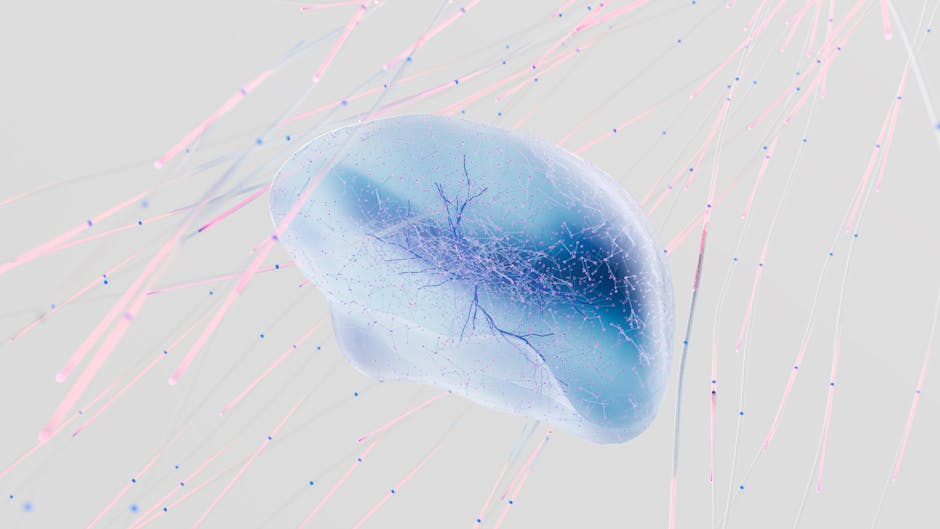
Photo by Google DeepMind on Pexels
The basic building blocks of the nervous system are neurons. These specialized cells transmit electrical and chemical signals throughout the body. A typical neuron has three main parts:
* Dendrites: Receive signals from other neurons.
* Cell Body (Soma): Contains the nucleus and keeps the neuron alive.
* Axon: Transmits signals away from the cell body to other neurons, muscles, or glands.
When a neuron fires, it generates an electrical impulse called an action potential. This impulse travels down the axon to the axon terminals, where it triggers the release of neurotransmitters into the synapse (the tiny gap between neurons). These neurotransmitters then bind to receptors on the next neuron, either exciting or inhibiting it.
The Nervous System: Your Body's Communication Network

Photo by panumas nikhomkhai on Pexels
The nervous system is broadly divided into two main parts:
1. Central Nervous System (CNS): Comprises the brain and spinal cord. It's the command center, integrating information and coordinating bodily functions.
2. Peripheral Nervous System (PNS): Includes all the nerves outside the CNS. It connects the CNS to the rest of the body.
* Somatic Nervous System: Controls voluntary movements of skeletal muscles.
* Autonomic Nervous System: Regulates involuntary functions like heart rate, digestion, and breathing. It has two branches:
* Sympathetic Nervous System: Prepares the body for "fight or flight" responses (e.g., increased heart rate, dilated pupils).
* Parasympathetic Nervous System: Calms the body down and conserves energy ("rest and digest").
The Brain: Your Control Center

Photo by Amel Uzunovic on Pexels
The brain is an incredibly complex organ, divided into several key regions, each with specialized functions.
graph TD
    A["Brain"] --> B["Forebrain"]
    A --> C["Midbrain"]
    A --> D["Hindbrain"]

    B --> B1["Cerebrum (Cortex)"]
    B --> B2["Thalamus"]
    B --> B3["Hypothalamus"]
    B --> B4["Limbic System"]

    B1 --> B1a["Frontal Lobe (Planning, Personality)"]
    B1 --> B1b["Parietal Lobe (Sensory Processing)"]
    B1 --> B1c["Temporal Lobe (Auditory, Memory)"]
    B1 --> B1d["Occipital Lobe (Vision)"]

    C --> C1["Reticular Formation (Arousal)"]

    D --> D1["Medulla (Vital Functions)"]
    D --> D2["Pons (Sleep, Movement)"]
    D --> D3["Cerebellum (Balance, Coordination)"]

    B4 --> B4a["Amygdala (Emotion)"]
    B4 --> B4b["Hippocampus (Memory)"]
- Hindbrain:
- Medulla: Controls vital reflexes like breathing, heart rate, and blood pressure.
- Pons: Involved in sleep, respiration, swallowing, and facial sensation.
- Cerebellum: Coordinates voluntary movements, balance, and motor learning.
- Midbrain: Connects the hindbrain and forebrain, involved in arousal, sleep-wake cycles, and visual/auditory reflexes.
- Forebrain: The largest and most complex part of the brain.
- Thalamus: A sensory relay station, directing sensory information (except smell) to the cerebral cortex.
- Hypothalamus: Regulates basic drives like hunger, thirst, and body temperature; also links the nervous system to the endocrine system.
- Limbic System: A group of structures involved in emotion, motivation, and memory. Key parts include the amygdala (emotions like fear) and hippocampus (memory formation).
- Cerebrum (Cerebral Cortex): The outermost layer, responsible for higher-level functions like thought, language, and perception. It's divided into four lobes:
- Frontal Lobe: Planning, decision-making, personality, voluntary movement.
- Parietal Lobe: Processes sensory information (touch, temperature, pain).
- Temporal Lobe: Auditory processing, memory, language comprehension.
- Occipital Lobe: Visual processing.
The Endocrine System: Hormonal Influence

Photo by Ann H on Pexels
The endocrine system is a network of glands that produce and secrete hormones directly into the bloodstream. Hormones are chemical messengers that travel throughout the body, influencing growth, metabolism, mood, and stress responses. Key glands include the pituitary, thyroid, adrenal glands, and gonads. This system works in conjunction with the nervous system to regulate behavior and physiology. For example, the adrenal glands release adrenaline (epinephrine) during stress, activating the sympathetic nervous system.
3. Worked Example
Imagine you're walking alone at night and suddenly hear a loud noise behind you.
1. Sensory Input: Your ears (sensory organs) pick up the sound, and this information travels via sensory neurons to your brain.
2. Thalamus Relay: The thalamus in your forebrain receives this auditory input and quickly relays it to relevant areas, including the auditory cortex (in the temporal lobe) for processing and the amygdala (part of the limbic system).
3. Amygdala Activation: Your amygdala rapidly processes the potential threat, triggering an immediate fear response before you've even fully identified the sound.
4. Hypothalamus & Endocrine System: The hypothalamus signals the adrenal glands to release adrenaline (epinephrine) and cortisol (stress hormones) into your bloodstream.
5. Sympathetic Nervous System Response: Adrenaline activates your sympathetic nervous system. Your heart rate increases, pupils dilate, breathing quickens, and blood is diverted to your muscles—preparing you to "fight or flight."
6. Cerebral Cortex Processing: Meanwhile, your frontal lobe tries to make sense of the situation, analyzing the sound more deeply to determine if it's truly a threat (e.g., "Is it just a cat?").
7. Behavioral Output: Based on all this rapid processing, you might jump, turn around quickly, or run away—all behaviors driven by these biological responses.
This quick, unconscious response highlights how fast and interconnected your nervous and endocrine systems are in shaping your behavior.
4. Key Takeaways
- Your brain and nervous system are the primary biological drivers of all your thoughts, feelings, and actions.
- Neurons are the fundamental units that transmit information through electrical (action potentials) and chemical (neurotransmitters) signals.
- The nervous system is divided into the CNS (brain, spinal cord) and PNS (nerves outside CNS), with the PNS further split into somatic and autonomic branches.
- Different brain regions are specialized, with the forebrain (cerebrum, limbic system, etc.) responsible for higher cognitive functions and emotional regulation.
- The endocrine system, via hormones, works with the nervous system to influence mood, stress, growth, and metabolism.
- The "fight or flight" response is a classic example of the sympathetic nervous system and endocrine system (adrenal glands) working together.
Common mistakes to avoid:
* Thinking of the brain as a single, uniform entity rather than a collection of specialized, interconnected regions.
* Underestimating the role of neurotransmitters and hormones; they aren't just minor players but crucial chemical messengers.
* Believing that psychological processes are entirely separate from biological ones; they are deeply intertwined.
* Confusing the functions of the sympathetic and parasympathetic nervous systems (one speeds up, one slows down).
5. Now Try It
Think about a time you felt really stressed or anxious, and write down two specific physical sensations you experienced (e.g., racing heart, sweaty palms, tense muscles). Then, for each sensation, identify which part of your nervous system (e.g., sympathetic, parasympathetic) or endocrine system (e.g., adrenaline release) was most likely responsible, based on what you just learned.
Success looks like: Accurately linking your physical stress responses to the correct biological systems involved, showing you understand the connection between your body's biology and your psychological state.
Frequently asked about Biological Bases of Behavior
More from https://nationalueduph.sharepoint.com/:b:/s/INTRODUCTIONTOPSYCHOLOGYPSY268TF9AM-11AM/IQAXSO-RwCfnSKy8VfleGwmbAcQfifEy2vXmIBgXVOkLiGM
Get the full https://nationalueduph.sharepoint.com/:b:/s/INTRODUCTIONTOPSYCHOLOGYPSY268TF9AM-11AM/IQAXSO-RwCfnSKy8VfleGwmbAcQfifEy2vXmIBgXVOkLiGM curriculum
Clone the complete plan to your dashboard for unlimited AI-generated notes, practice quizzes, and a personalised revision schedule.
Save this course free