Corrosion and Prevention
From the chem sa 1 8 curriculum
TL;DR
Corrosion is the natural degradation of materials, usually metals, through chemical reactions with their environment, often involving oxidation. It's an electrochemical process where a metal loses electrons. Preventing corrosion typically involves controlling the environment, modifying the metal, or applying protective coatings.
1. The Mental Model
Think of corrosion as a metal "trying" to go back to its more stable, natural state (like an ore). It's essentially a slow, unwanted chemical reaction that turns a useful metal into something less useful, like rust, just by being exposed to air and water.
2. The Core Material
Corrosion is primarily an electrochemical process. This means it involves both chemical reactions (like oxidation and reduction) and the movement of electrons, creating a small electric current. For most common corrosion (like rusting of iron), you need three things:
1. Anode: The metal that corrodes (loses electrons and oxidizes).
2. Cathode: A different part of the metal or a different material where reduction occurs (electrons are gained).
3. Electrolyte: A conductive medium (like water or moisture containing dissolved salts) that allows ions to move and complete the circuit.
For example, when iron rusts:
* Anode (Oxidation): Iron metal loses electrons and turns into iron ions.
Fe(s) -> Fe2+(aq) + 2e-
* Cathode (Reduction): Oxygen gas, dissolved in water, gains these electrons to form hydroxide ions.
O2(g) + 2H2O(l) + 4e- -> 4OH-(aq)
* These iron ions and hydroxide ions then react further to form iron hydroxides, which eventually dehydrate to become hydrated iron(III) oxide – the reddish-brown substance we call rust (Fe2O3·nH2O).
Factors Influencing Corrosion
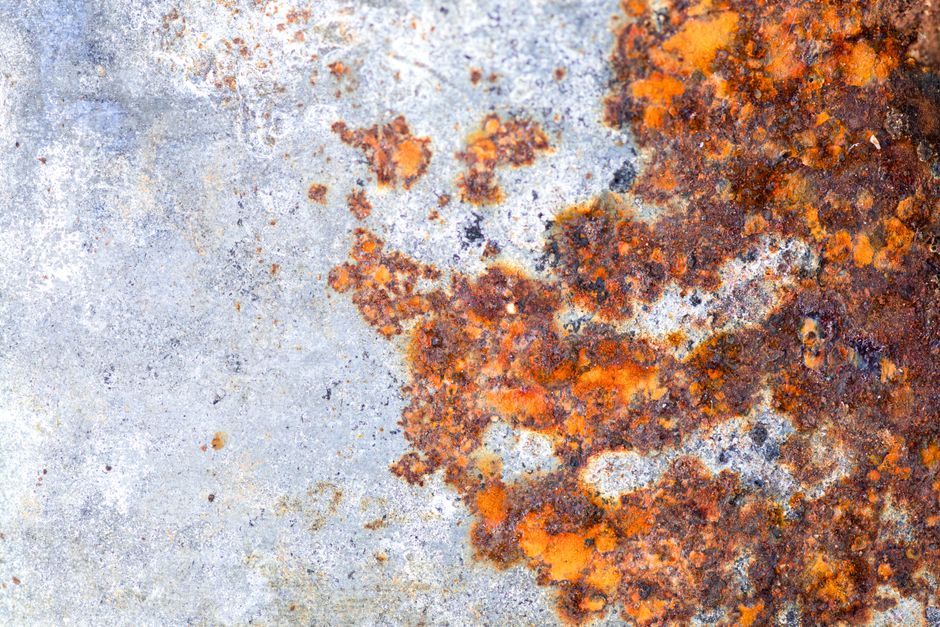
Photo by tal molcho on Pexels
Several factors can speed up or slow down corrosion:
* Presence of Electrolytes: Saltwater is a much better electrolyte than pure water, which is why metals corrode faster near the ocean.
* pH: Acidic environments (low pH) generally accelerate corrosion, while alkaline (high pH) environments can sometimes inhibit it.
* Temperature: Higher temperatures usually increase reaction rates, including corrosion.
* Oxygen Concentration: More oxygen typically means faster corrosion, as oxygen is often the electron acceptor.
* Contact with Dissimilar Metals: When two different metals are in contact in an electrolyte, the more reactive metal acts as the anode and corrodes preferentially (galvanic corrosion).
Corrosion Prevention Methods

Photo by David Brown on Pexels
There are several strategies to prevent or reduce corrosion:
1. Protective Coatings
- Paint/Polymer Coatings: Act as a physical barrier, preventing the metal surface from coming into contact with oxygen and water.
- Metallic Coatings:
- Galvanizing: Coating steel with a layer of zinc. Zinc is more reactive than iron, so it corrodes first, protecting the steel (sacrificial protection).
- Tin Plating: Coating steel with tin. Tin is less reactive than iron. It protects by forming a barrier, but if scratched, the iron underneath will corrode faster than unplated iron (because iron becomes the anode).
- Oil/Grease: Used for moving parts or temporary protection, forming a physical barrier.
2. Cathodic Protection
This method turns the entire metal structure you want to protect into the cathode of an electrochemical cell, forcing another material to act as the anode and corrode instead.
* Sacrificial Anode: A more reactive metal (like magnesium or zinc) is electrically connected to the metal you want to protect. The sacrificial metal corrodes preferentially, "sacrificing" itself to save the other. Common for pipelines, ship hulls, and underground tanks.
* Impressed Current: An external power source is used to supply electrons to the protected metal, making it a cathode. This is used for larger structures where sacrificial anodes might not be sufficient.
3. Material Selection and Design
- Alloying: Adding other elements to a metal can significantly improve its corrosion resistance. Stainless steel, for example, contains chromium, which forms a thin, protective, self-healing oxide layer (passivation).
- Design Considerations: Avoiding crevices where moisture can accumulate, ensuring proper drainage, and using compatible metals (to avoid galvanic corrosion) are crucial.
4. Environmental Control
- Dehumidification: Reducing the moisture content in the air to prevent an electrolyte from forming.
- Deaeration: Removing dissolved oxygen from water systems.
- Inhibitors: Chemicals added to an environment (like a cooling system) that either form a protective film on the metal surface or slow down the anodic/cathodic reactions.
Here's a diagram showing the basic process of rusting:
graph TD
    A["Iron (Anode)"] -->|Loses electrons (Oxidation)| B["Fe2+ ions"]
    C["Water + Oxygen (Cathode)"] -->|Gains electrons (Reduction)| D["OH- ions"]
    B --> E["Reaction with OH- ions and O2"]
    D --> E
    E --> F["Hydrated Iron(III) Oxide (Rust)"]
3. Worked Example
Let's consider protecting an underground steel pipeline. Steel (primarily iron) is susceptible to corrosion from moisture and dissolved ions in the soil.
Problem: An underground steel pipeline needs protection from corrosion.
Solution using Sacrificial Anode (Cathodic Protection):
1. Identify the target: The steel pipeline (iron).
2. Choose a sacrificial metal: Magnesium is commonly used because it is significantly more reactive than iron (it has a more negative standard electrode potential, meaning it's more easily oxidized).
* Magnesium's oxidation potential: Mg -> Mg2+ + 2e- (E° = +2.37 V)
* Iron's oxidation potential: Fe -> Fe2+ + 2e- (E° = +0.44 V)
3. Connect them: A block of magnesium is buried near the steel pipeline and electrically connected to it with a wire.
4. The process: The soil acts as the electrolyte. Because magnesium is more reactive, it readily gives up its electrons and corrodes (oxidizes) preferentially. These electrons flow through the wire to the steel pipeline, making the steel the cathode. At the steel surface, oxygen and water reduce, forming hydroxide ions. As long as the magnesium anode is corroding, the steel pipeline receives a steady supply of electrons, preventing the iron from oxidizing and corroding.
5. Maintenance: The magnesium anode will eventually be consumed and needs to be replaced periodically.
This method effectively protects the pipeline by sacrificing the magnesium.
4. Key Takeaways
- Corrosion is an electrochemical process where metals degrade, usually by oxidation.
- Three components are typically needed for common corrosion: an anode (where metal oxidizes), a cathode (where reduction occurs), and an electrolyte.
- Factors like water, oxygen, salts, pH, and temperature influence corrosion rates.
- Protective coatings (like paint, galvanizing) act as physical barriers or provide sacrificial protection.
- Cathodic protection makes the metal you want to protect the cathode, forcing another metal (sacrificial anode) or an external current to provide electrons.
- Alloying, like in stainless steel, can form protective passive layers that resist corrosion.
Common Mistakes to Avoid:
- Assuming all corrosion is rust: Rust specifically refers to the corrosion of iron; other metals corrode differently (e.g., green patina on copper).
- Thinking paint is infallible: A scratch in paint can expose the metal, allowing localized corrosion to begin.
- Ignoring galvanic corrosion: Placing dissimilar metals in direct contact in the presence of an electrolyte can accelerate corrosion of the more reactive metal.
- Overlooking environmental factors: High humidity or acidic rain can significantly increase corrosion risk, even for seemingly protected items.
5. Now Try It
Imagine you have an aluminum boat hull that's constantly exposed to saltwater. Based on what you've learned, describe two different ways you could protect it from corrosion, explaining the principle behind each method. What would success look like for each approach? You should be able to explain how the aluminum is protected chemically for both methods.
Frequently asked about Corrosion and Prevention
More from chem sa 1 8
Get the full chem sa 1 8 curriculum
Clone the complete plan to your dashboard for unlimited AI-generated notes, practice quizzes, and a personalised revision schedule.
Save this course free