Biodiversity Hotspots and Endemic Species
From the Biology curriculum
TL;DR
Biodiversity hotspots are specific regions on Earth with exceptionally high concentrations of unique species that are also under significant threat. These areas are crucial because they contain many endemic species – plants and animals found nowhere else – making their conservation a top priority. Protecting hotspots helps save a disproportionate amount of global biodiversity with targeted effort.
1. The Mental Model
Imagine Earth's biodiversity as a vast, intricate library. Biodiversity hotspots are like special, extremely rare book collections within that library, full of unique volumes (endemic species) that can't be found anywhere else, and these collections are rapidly being lost to fire.
2. The Core Material
Biodiversity hotspots are defined by two strict criteria:
1. High Biodiversity: They must have at least 1,500 species of vascular plants as endemics (meaning they are found only in that region). This indicates a high level of unique life.
2. Significant Threat: They must have lost at least 70% of their original natural vegetation. This signifies a serious threat to the survival of the species within that region.
Currently, there are 36 recognized biodiversity hotspots around the world. While they cover only about 2.5% of the Earth's land surface, they are home to over half of the world's plant species and nearly 43% of all terrestrial vertebrate species as endemics. This makes them incredibly important for global conservation efforts.
Endemic species are the heart of why hotspots are so special. An endemic species lives exclusively in a particular geographic area, whether it's a small island, a mountain range, or an entire continent. If its habitat in that single location is destroyed, the species is gone forever – it has no other population to fall back on.
Why Focus on Hotspots?

Photo by Ann H on Pexels
Focusing conservation efforts on hotspots is a strategy known as "conservation triage." It's about maximizing the impact of limited resources by protecting the areas that offer the biggest bang for your buck in terms of biodiversity saved.
Here's a simplified chain of how a hotspot is identified and why it's so vital:
graph TD
    A["High number of unique plants (>= 1,500 endemic vascular plants)"] --> B["Identified as potential hotspot"]
    B --> C["Significant habitat loss (>= 70% original vegetation lost)"]
    C --> D["Confirmed Biodiversity Hotspot"]
    D --> E["High concentration of Endemic Species"]
    E --> F["Species face high extinction risk (nowhere else to go)"]
    F --> G["Prioritize for urgent Conservation Efforts"]
Examples of Hotspots and Endemic Species:
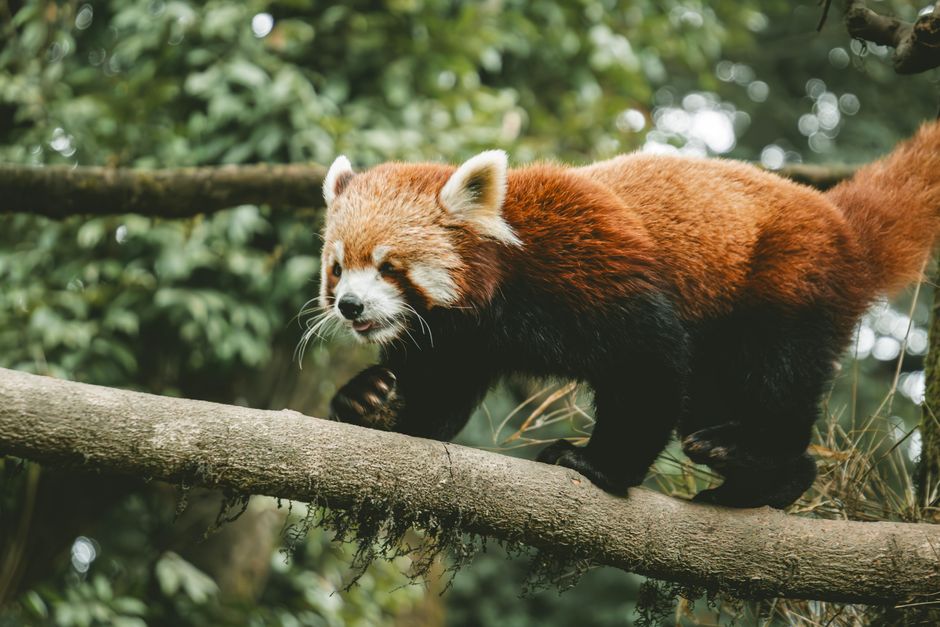
Photo by Soumyojit Sinha on Pexels
- Mediterranean Basin: Known for its diverse plant life, including many aromatic herbs and cork oak forests. The Iberian Lynx, one of the world's most endangered cat species, is endemic to parts of this hotspot.
- Madagascar and the Indian Ocean Islands: This is an incredible hotspot, famous for its lemurs (all species are endemic to Madagascar), unique chameleons, and baobab trees.
- The Atlantic Forest (South America): Stretches along the Atlantic coast of Brazil, parts of Paraguay, and Argentina. It's home to species like the Golden Lion Tamarin, a primate found only in this forest.
3. Worked Example
Let's consider the California Floristic Province hotspot.
1. Check for Endemic Plants: This region has over 3,488 native plant species, and more than 2,124 of those are endemic to the region (that's over 1,500, so it passes the first criterion!). Examples include the California poppy and various species of sequoia and redwood trees.
2. Check for Habitat Loss: The California Floristic Province has lost over 70% of its original natural vegetation, primarily due to agriculture, urbanization, and water development. This severe habitat loss meets the second criterion.
Because it meets both criteria, the California Floristic Province is designated a biodiversity hotspot. This designation highlights the urgent need to protect species like the California Condor (a critically endangered bird once nearly extinct, and a large portion of its population lives in this region) and many unique plant species, as their survival is directly tied to the health of this specific area. If its remaining habitats are lost, these species face inevitable extinction.
4. Key Takeaways
- Biodiversity hotspots are regions with high numbers of unique species and significant habitat loss.
- They act as a critical conservation strategy to protect the most threatened and biologically rich areas.
- Endemic species are found only in one specific geographic area and are especially vulnerable to habitat destruction.
- There are 36 recognized biodiversity hotspots globally, covering a small land area but harboring vast biodiversity.
- Protecting hotspots helps conserve a disproportionately high amount of Earth's unique life with targeted efforts.
Common Mistakes to Avoid:
- Don't confuse "high biodiversity" with "biodiversity hotspot." A hotspot must also have significant threat.
- Don't assume an endemic species means it's endangered. While many are, "endemic" just means unique to a location.
- Don't think conservation efforts should only focus on hotspots; they are a priority, but broader conservation is also vital.
- Forgetting the "70% habitat loss" criterion; it's as crucial as the number of endemic plants.
5. Now Try It
Imagine you are a conservationist evaluating a potential new biodiversity hotspot. You've identified an isolated mountain range that contains 1,800 endemic vascular plant species. Research this mountain range (pick any real one you like, e.g., the Andes, the Appalachians, the Atlas Mountains) and determine if it has lost more than 70% of its original natural vegetation due to human activity. Based on your quick research, would it qualify as a biodiversity hotspot? What would be one endemic animal species that lives there that would benefit from its protection? Success looks like explaining why it would or wouldn't qualify based on both criteria, and naming an endemic animal.
Frequently asked about Biodiversity Hotspots and Endemic Species
Study this next
Get the full Biology curriculum
Clone the complete plan to your dashboard for unlimited AI-generated notes, practice quizzes, and a personalised revision schedule.
Save this course free