Evolution and Biodiversity
From the Biology curriculum
TL;DR
Evolution explains how life changes over time through natural selection, leading to new species. Biodiversity refers to the vast variety of life on Earth, from genes to ecosystems. Understanding these concepts is crucial for appreciating life's history and its future.
1. The Mental Model
Think of evolution as a slow, continuous sculpting process where nature "selects" the best-fitting traits. Biodiversity is simply the incredible library of all the different life forms that have resulted from this sculpting.
2. The Core Material
Evolution is the process by which populations of organisms change over generations. It's driven primarily by natural selection, a mechanism where individuals with traits better suited to their environment are more likely to survive and reproduce. These advantageous traits are then passed on, becoming more common in the population over time.
Natural Selection in Action

Photo by Denitsa Kireva on Pexels
Natural selection has four main components:
- Variation: Individuals within a population have slightly different traits (e.g., some beetles are greener, some are browner).
- Inheritance: These traits can be passed from parents to offspring.
- Overproduction: Organisms produce more offspring than can survive.
- Differential Survival and Reproduction: Individuals with advantageous traits are more likely to survive, find mates, and produce more offspring than those without.
Over many generations, this leads to adaptation, where a population becomes better suited to its environment. This slow change can eventually lead to speciation, the formation of new species.
Evidence for Evolution
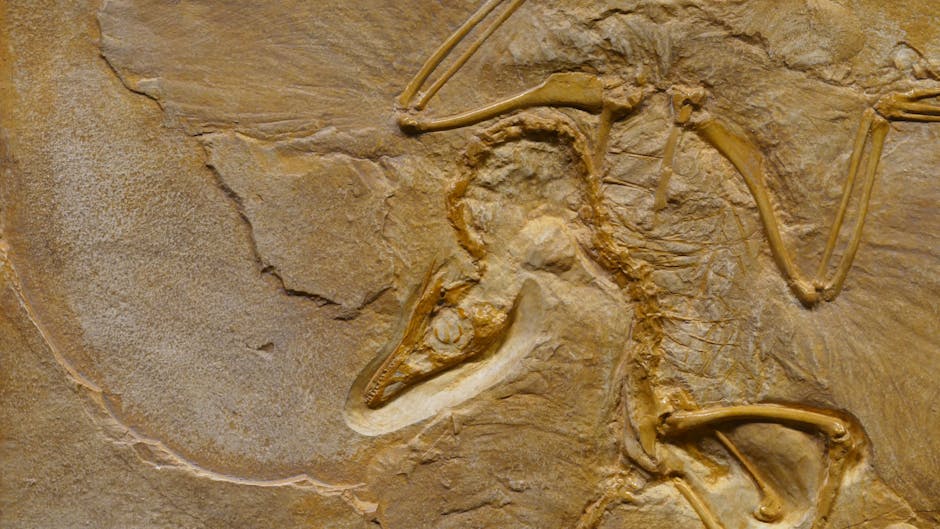
Photo by Marcus Lange on Pexels
You might wonder how we know evolution happens. There's a lot of evidence:
- Fossil Record: Shows how organisms have changed over millions of years.
- Comparative Anatomy: Similar bone structures in different species (e.g., human arm, bat wing, whale flipper) suggest a common ancestor.
- Molecular Biology: Similarities in DNA and proteins across species confirm evolutionary relationships.
- Biogeography: The distribution of species around the world makes sense in an evolutionary context.
- Direct Observation: We can even observe evolution happening in fast-reproducing organisms like bacteria.
Biodiversity: The Tapestry of Life

Photo by Onur on Pexels
Biodiversity is the variety of life on Earth at all its levels. It's not just about the number of different species, but also:
- Genetic Diversity: The variety of genes within a species. This is super important because it allows populations to adapt to changes.
- Species Diversity: The number of different species in an area.
- Ecosystem Diversity: The variety of habitats, communities, and ecological processes in the biosphere.
Why is biodiversity important? It provides us with food, medicine, clean air and water, and helps maintain stable ecosystems. Losing biodiversity can have serious consequences.
graph TD
    A["Genetic Variation"] --> B["Environmental Pressure (e.g., scarcity, predators)"];
    B --> C["Differential Survival & Reproduction"];
    C --> D["Advantageous Traits Passed On"];
    D --> E["Population Adapts"];
    E --> F["Speciation (New Species)"];
    F --> G["Increased Biodiversity"];
3. Worked Example
Let's consider a population of moths living in a forest. Before the Industrial Revolution, most trees were covered in light-colored lichens, making light-colored moths well-camouflaged from predatory birds. Dark-colored moths were easily seen and eaten.
During the Industrial Revolution, pollution darkened the tree trunks by killing off lichens and depositing soot. Suddenly, the light-colored moths stood out, while the dark-colored moths were now camouflaged. Over time, the population shifted: dark-colored moths became more common because they survived better and produced more offspring. This is a classic example of natural selection leading to adaptation within a species. When pollution control efforts later cleaned up the environment, the trend reversed, showing ongoing adaptation.
4. Key Takeaways
- Evolution is the change in heritable traits of biological populations over successive generations.
- Natural selection is the primary mechanism driving evolution, based on variation, inheritance, overproduction, and differential survival.
- Adaptation refers to how populations become better suited to their environment through natural selection.
- Speciation is the process by which new species arise from existing ones.
- Biodiversity encompasses the variety of life at genetic, species, and ecosystem levels.
- Biodiversity is vital for ecosystem stability and provides essential resources for humans.
-
The fossil record, comparative anatomy, and DNA similarities all provide strong evidence for evolution.
-
Common Mistake 1: Thinking individuals evolve during their lifetime; populations evolve over generations.
- Common Mistake 2: Believing evolution has a "goal" or always progresses to more complex forms; it's just about adapting to current conditions.
- Common Mistake 3: Confusing natural selection (a mechanism) with evolution (the overarching process).
- Common Mistake 4: Underestimating the importance of genetic variation for a species' long-term survival.
5. Now Try It
Imagine an isolated island population of birds. Due to a sudden, prolonged drought, the only available food source for these birds becomes hard-shelled nuts. Describe, step-by-step, how natural selection would likely act on this bird population, explaining what traits might become more common over several generations and why. Your answer should clearly use the terms "variation," "inheritance," "differential survival," and "adaptation." Success looks like a clear, logical explanation that demonstrates your understanding of the four components of natural selection.
Frequently asked about Evolution and Biodiversity
Study this next
Get the full Biology curriculum
Clone the complete plan to your dashboard for unlimited AI-generated notes, practice quizzes, and a personalised revision schedule.
Save this course free