Introduction to Biodiversity
From the Biology curriculum
TL;DR
Biodiversity refers to the incredible variety of life on Earth, from genes to entire ecosystems, and it's essential for healthy planet function. We measure it at different levels, like genetic, species, and ecosystem diversity, using various methods. Understanding biodiversity helps us appreciate its importance and work towards its conservation.
1. The Mental Model
Think of biodiversity as the Earth's "life library." It's not just about the number of different books, but also the variety of stories within each book, and the different types of libraries (forests, oceans) themselves. The more diverse this library is, the more resilient and functional it becomes.
2. The Core Material
Biodiversity is a fundamental concept in biology, encompassing all the different forms of life and the ecological processes that sustain them. It's usually considered across three main levels:
Genetic Diversity

Photo by Edward Jenner on Pexels
This is the variation in genes within a single species. Imagine all the different fur colors in a population of wolves or the different disease resistances in a group of potatoes. High genetic diversity makes a species more adaptable to environmental changes (like new diseases or climate shifts) because there's a greater chance some individuals will have genes that help them survive. Low genetic diversity can make a species very vulnerable.
Species Diversity

Photo by Ruben Galante on Pexels
This is the most commonly recognized level and refers to the variety of different species in a given area. It's often broken down into two components:
* Species Richness: The number of different species present. For example, a forest with 50 different tree species is richer than one with only 10.
* Species Evenness: How similar the populations of each species are. A forest with 50 species where each species has roughly the same number of individuals is more "even" than one where one species dominates and the other 49 are rare. High species evenness usually indicates a more stable ecosystem.
Ecosystem Diversity
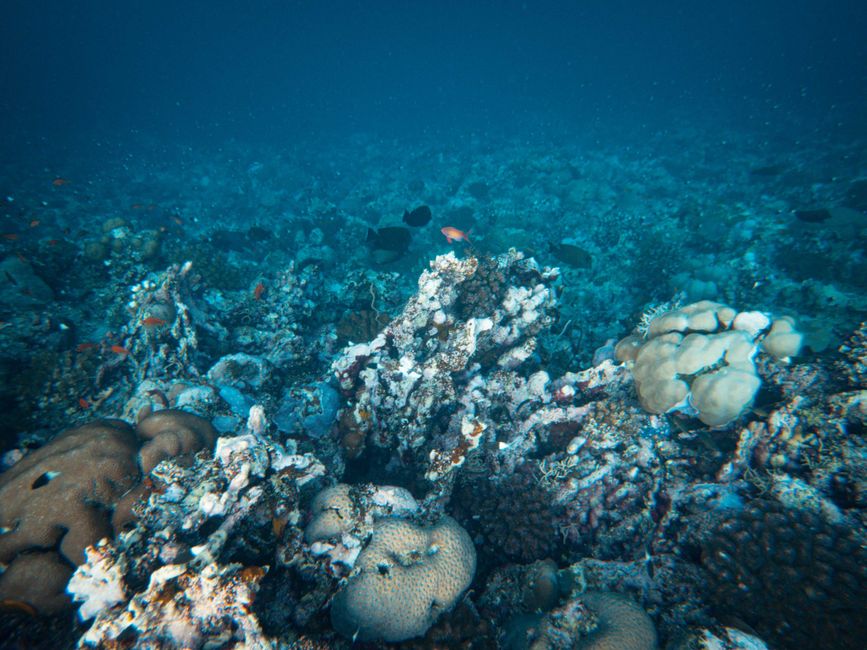
Photo by Francesco Ungaro on Pexels
This is the variety of habitats, communities, and ecological processes within and between ecosystems. Think of the different types of environments on Earth: deserts, rainforests, coral reefs, grasslands, tundra, and so on. Each ecosystem has its unique set of species and interactions. High ecosystem diversity means a greater variety of ecological services (like water purification, nutrient cycling, and climate regulation) are being provided across different landscapes.
Why Biodiversity Matters (Ecosystem Services)
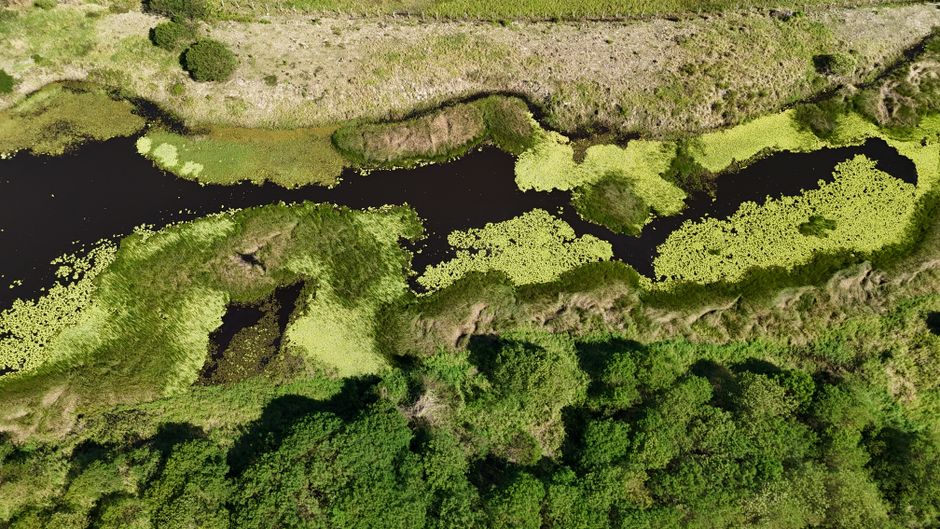
Photo by Jefferson Miguel on Pexels
Biodiversity isn't just nice to have; it provides crucial "ecosystem services" that directly benefit humans:
* Provisioning services: Food, fresh water, timber, medicines.
* Regulating services: Climate regulation, flood control, disease regulation, water purification.
* *Cultural services:* Spiritual, recreational, aesthetic, and educational benefits.
* Supporting services: Nutrient cycling, soil formation, primary production (the basis of all food webs).
Here's a simple diagram showing the relationship between these levels and their benefits:
graph TD
    A["Genetic Diversity"] --> B["Species Diversity"]
    B --> C["Ecosystem Diversity"]
    C --> D["Ecosystem Services"]
    D --> E["Human Well-being"]

    subgraph Levels of Biodiversity
        A
        B
        C
    end

    subgraph Benefits
        D
        E
    end
3. Worked Example
Imagine you're studying two different patches of forest, Forest A and Forest B, both roughly the same size.
Forest A: You find 10 different species of trees. Among these, Oak trees make up 80% of all individual trees, while the other 9 species each make up about 2% of the total.
Forest B: You also find 10 different species of trees. However, in this forest, each of the 10 species makes up roughly 10% of the total number of individual trees.
- Species Richness: Both forests have the same species richness (10 species).
- Species Evenness: Forest B has higher species evenness because the populations of each species are more balanced. Forest A has lower evenness because Oak trees dominate.
From a biodiversity perspective, Forest B is generally considered more diverse and potentially more resilient than Forest A, even though they have the same number of species, because its species are more evenly distributed. If a disease specifically targeted Oak trees, Forest A would suffer a much greater overall loss than Forest B.
4. Key Takeaways
- Biodiversity is the variety of life on Earth at all levels: genetic, species, and ecosystem.
- Genetic diversity within a species helps it adapt to changes and resist diseases.
- Species diversity is about the number of different species (richness) and how balanced their populations are (evenness).
- Ecosystem diversity refers to the variety of habitats and ecological processes.
- Biodiversity provides essential "ecosystem services" like clean air, water, food, and medicines, which are vital for human survival.
- High biodiversity generally makes ecosystems more stable, productive, and resilient to disturbances.
- Loss of biodiversity (extinction, habitat destruction) can severely impair ecosystem services and negatively impact human well-being.
5. Now Try It
Go outside (or look out your window if you can't go out) for 15 minutes. Observe the area around you. Try to identify at least 5 different species (e.g., a specific tree type, a bird, an insect, a type of grass, a flower). Then, think about how you might see genetic diversity within one of those species (e.g., variations in leaf shape or flower color for a specific plant type). Finally, consider the ecosystem diversity – are there different types of mini-habitats nearby (e.g., a patch of grass, a paved area, a small bush, a puddle)?
Success looks like: You've identified examples for all three levels of biodiversity (genetic, species, ecosystem) from your observation and can briefly describe why each example fits its category.
Frequently asked about Introduction to Biodiversity
Study this next
Get the full Biology curriculum
Clone the complete plan to your dashboard for unlimited AI-generated notes, practice quizzes, and a personalised revision schedule.
Save this course free