Abrahamic Religions: Judaism and Christianity
From the Religion curriculum
TL;DR
Judaism and Christianity are two major Abrahamic religions, sharing common origins and foundational texts but diverging significantly in their understanding of Jesus's role. Both believe in one God, but their covenants, practices, and core theological beliefs differ. Understanding their shared history and distinct paths helps clarify their individual identities.
1. The Mental Model
Think of Judaism as the "root" and Christianity as a "branch" that grew from that root. They share a common trunk (Abraham, Moses, the Old Testament) but developed distinct leaves and fruits (Jesus's divinity, new covenant, different rituals).
2. The Core Material
Judaism and Christianity are often discussed together due to their shared historical roots and foundational figures, but they are distinct religions with different core beliefs and practices. Both are monotheistic, meaning they believe in one God.
Shared Foundations: Abraham and the Covenant
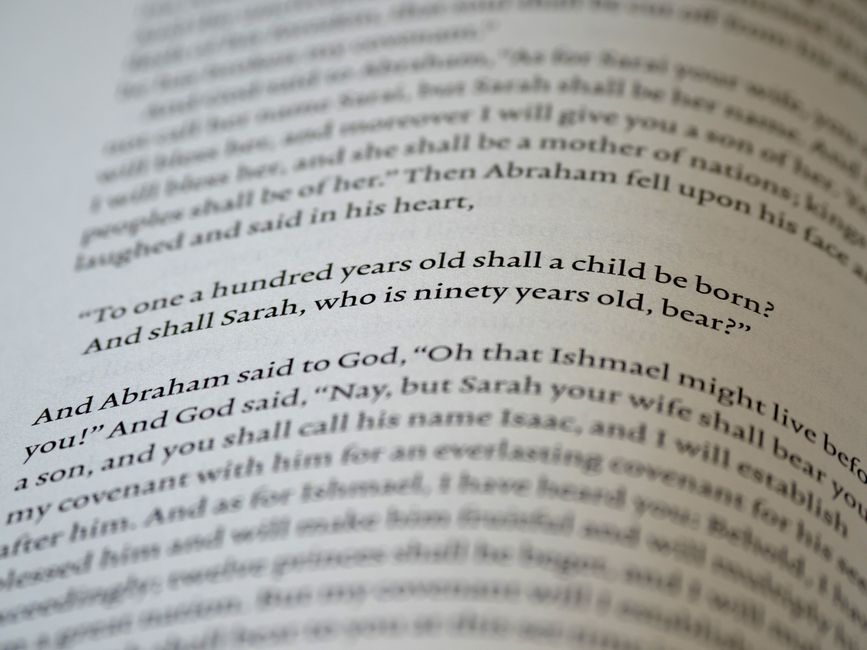
Photo by Brett Jordan on Pexels
Both religions trace their lineage back to Abraham, who is considered the patriarch of their faiths. God made a covenant (a sacred agreement) with Abraham, promising him descendants and land. This covenant is central to both traditions, establishing a special relationship between God and His chosen people.
The Old Testament (or the Hebrew Bible for Jews) is a foundational text for both. It includes:
* The Torah (or Pentateuch): The first five books (Genesis, Exodus, Leviticus, Numbers, Deuteronomy), containing the laws given to Moses, including the Ten Commandments. This is paramount in Judaism.
* Prophets: Books like Isaiah, Jeremiah, and Ezekiel, sharing God's messages.
* Writings: Books like Psalms, Proverbs, and Job.
Key Distinctions: The Role of Jesus

Photo by Ivan S on Pexels
This is the most significant point of divergence.
- Judaism: Views Jesus as a historical figure, but not as the Son of God, the Messiah, or divine in any way. They are still awaiting the Messiah. The focus is on obeying God's laws (Mitzvot) and maintaining the covenant.
- Christianity: Believes Jesus is the Son of God, the Messiah (Christ), and part of the Trinity (God the Father, God the Son, and God the Holy Spirit). His crucifixion and resurrection are central to salvation.
Covenants and Salvation

Photo by Faith Giant on Pexels
- Judaism: The original covenant through Abraham and Moses is central. Salvation (or right relationship with God) is achieved through adherence to God's laws (Torah) and performing good deeds (Mitzvot). Emphasis is on collective responsibility and repair of the world (Tikkun Olam).
- Christianity: Believes in a New Covenant established through Jesus's sacrifice. Salvation is primarily achieved through faith in Jesus Christ, often combined with good works, depending on the denomination.
Religious Law and Practice

Photo by cottonbro studio on Pexels
- Judaism: Follows Halakha, a comprehensive body of Jewish religious law derived from the Torah and rabbinic interpretations. This includes dietary laws (Kosher), Sabbath observance (Shabbat), and prayer rituals.
- Christianity: While some moral laws from the Old Testament are upheld, much of the ritual law is not considered binding. Practices vary widely among denominations but often include sacraments (like baptism and communion), church attendance, and prayer.
Sacred Texts
- Judaism: Tanakh (Hebrew Bible) and the Talmud (rabbinic discussions and interpretations of Jewish law, ethics, and history).
- Christianity: The Bible, which includes the Old Testament (Hebrew Bible) and the New Testament (Gospels, Epistles, Revelation), which recounts Jesus's life, teachings, and the early Church.
Here's a simplified view of their relationship:
graph TD
    A["Abrahamic Lineage"] --> J["Judaism (Old Covenant)"]
    J --> B["Hebrew Bible (Old Testament)"]
    J --> C["Focus: Torah & Mitzvot"]
    J --> D["Messiah Awaited"]

    A --> X["Christianity (New Covenant)"]
    X --> B
    X --> E["New Testament"]
    X --> F["Focus: Jesus as Messiah"]
    X --> G["Salvation by Faith in Jesus"]
Leadership and Community
- Judaism: Led by Rabbis, who are teachers and spiritual guides. Services are held in Synagogues.
- Christianity: Led by Priests, Pastors, Ministers, or Bishops, depending on the denomination. Services are held in Churches.
3. Worked Example
Imagine you're trying to understand why Jewish people don't celebrate Christmas.
For a Christian, Christmas celebrates the birth of Jesus, who is believed to be the Messiah and Son of God, central to their faith. The celebration is an act of worship and remembrance of this pivotal event for salvation.
For a Jewish person, Jesus is not considered the Messiah or divine. While they might acknowledge him as a historical figure, his birth doesn't hold religious significance in their tradition. Their religious calendar focuses on holidays like Passover, Rosh Hashanah, and Yom Kippur, which celebrate different covenants, historical events, and opportunities for repentance within their faith. Therefore, celebrating Christmas wouldn't align with their core theological beliefs or covenantal relationship with God.
4. Key Takeaways
- Both Judaism and Christianity are monotheistic, tracing their origins to Abraham.
- The Hebrew Bible (Old Testament) is a shared sacred text, but its interpretation and emphasis differ.
- The fundamental difference lies in the role of Jesus: Christians believe he is the Messiah and Son of God, while Jews do not.
- Judaism emphasizes adherence to God's laws (Torah/Halakha) and awaiting the Messiah.
- Christianity focuses on the New Covenant through Jesus, with salvation often achieved through faith in him.
-
Different sacred texts beyond the shared Old Testament (Talmud for Judaism, New Testament for Christianity) guide their respective faiths.
-
Common Mistakes to Avoid:
- Assuming Judaism is an "incomplete" version of Christianity; they are distinct faiths.
- Believing that all Abrahamic religions are essentially the same; their differences are profound.
- Confusing the Old Testament with the entire Jewish sacred canon; the Talmud is also crucial for Jews.
- Thinking that because they share roots, their holidays and practices are interchangeable.
5. Now Try It
Spend 15 minutes researching one major holiday from each religion (e.g., Yom Kippur for Judaism and Easter for Christianity). Identify what each holiday commemorates, its primary religious significance, and one key ritual or practice associated with it. Success looks like clearly articulating the distinct meaning and observance of each holiday, highlighting how they reflect the core beliefs of their respective faiths.
Frequently asked about Abrahamic Religions: Judaism and Christianity
More from Religion
Get the full Religion curriculum
Clone the complete plan to your dashboard for unlimited AI-generated notes, practice quizzes, and a personalised revision schedule.
Save this course free