Education Systems and Experiences
From the ingles B10 curriculum
TL;DR
Understanding education systems involves looking at how schools are structured and funded, and how these factors shape students' learning journeys. Your personal experiences, like what you learned and how you felt, are a crucial part of this bigger picture. Comparing different systems helps you see strengths and weaknesses and how they impact individuals and societies.
1. The Mental Model
Think of an education system as a big machine designed to teach. It has different parts (levels, types of schools) and fuel (funding, curriculum), and your personal experience is how you interact with and are shaped by that machine.
2. The Core Material
Education systems vary greatly across the globe, but they generally share some common components and goals. We'll explore these, focusing on structure, funding, and how your personal experience fits in.
Structure of Education Systems
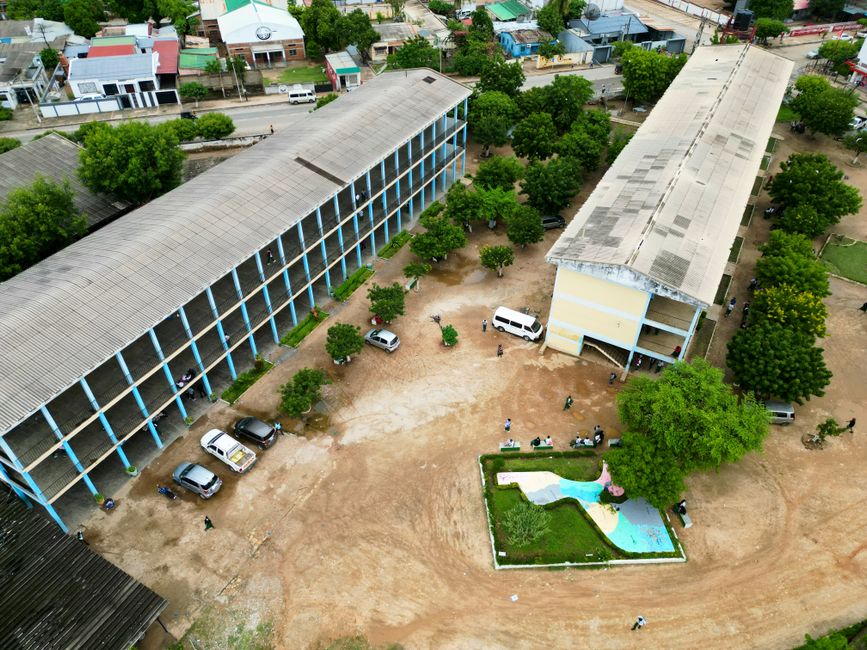
Photo by SINAL Multimédia on Pexels
Most systems are organized into stages, often starting with early childhood education, moving through primary and secondary school, and potentially into higher education (university, college).
- Early Childhood Education (ECE): Pre-school or kindergarten. Focuses on social, emotional, and early cognitive development.
- Primary Education: Elementary school. Basic literacy, numeracy, and foundational knowledge.
- Secondary Education: Middle school and high school. More specialized subjects, preparing for higher education or vocational training.
- Higher Education: Universities, colleges, trade schools. Advanced academic or professional training.
Some systems also include Vocational Education and Training (VET), which offers practical skills for specific trades.
Funding and Access
Photo by Monstera Production on Pexels
How an education system is funded significantly impacts its quality and who has access to it.
- Publicly Funded: Government-funded schools, usually free or very low cost for students. Aims for broad access.
- Privately Funded: Schools funded by tuition fees, donations, or private organizations. Can offer specialized programs but may have higher costs.
- Mixed Systems: Many countries have a combination, with both public and private options available.
Access also involves factors like geographic location, special needs support, and cultural considerations.
Curriculum and Pedagogy

Photo by kimmi jun on Pexels
The curriculum is what's taught, while pedagogy is how it's taught.
- Curriculum: Can be standardized nationally or vary locally. It includes core subjects (math, science, language) and often arts, physical education, and social studies.
- Pedagogy: Teaching methods range from traditional lecture-based learning to more student-centered approaches like project-based learning or inquiry-based learning.
Your Education Experience

Photo by Vitaly Gariev on Pexels
Your personal experience within these systems is unique. It's about what you learned, how you learned it, your relationships with teachers and peers, and the overall environment. These experiences shape your skills, values, and future opportunities.
Here's a diagram showing a simplified flow through a typical education system:
graph TD
    A["Early Childhood Education (Pre-school)"] --> B["Primary Education (Elementary School)"]
    B --> C["Secondary Education (Middle/High School)"]
    C --> D1["Higher Education (University/College)"]
    C --> D2["Vocational Education & Training (Trade School)"]
    D1 --> E["Career/Further Learning"]
    D2 --> E
3. Worked Example
Let's compare a hypothetical public education experience in Country A with a private education experience in Country B.
Country A (Public System Experience):
* Student: Maria
* Funding: Government-funded, free tuition.
* Curriculum: Standardized national curriculum, strong focus on core subjects. Large class sizes (30+ students).
* Pedagogy: Mostly traditional lecture and textbook-based learning.
* Experience: Maria attended a large public school. She received a solid foundational education but felt that individual attention was limited due to class size. Resources like sports facilities were basic, but she had access to a wide range of extracurricular clubs. Her learning was focused on preparing for national exams.
Country B (Private System Experience):
* Student: David
* Funding: Tuition fees paid by parents.
* Curriculum: International Baccalaureate (IB) curriculum, emphasizing critical thinking and global perspectives. Small class sizes (15-20 students).
* Pedagogy: Project-based learning, strong emphasis on student presentations and group work.
* Experience: David attended a private school. He benefited from personalized attention, advanced facilities (science labs, art studios), and opportunities for international exchange programs. He learned to be very self-directed and felt well-prepared for university-level research, though he sometimes missed the broader social mix of public schools.
This example shows how different system structures and funding models lead to distinct educational experiences and outcomes for students.
4. Key Takeaways
- Education systems are complex structures influenced by funding, curriculum, and pedagogy.
- Publicly funded systems aim for broad access, often with standardized curricula.
- Privately funded systems may offer specialized programs or smaller class sizes at a higher cost.
- Your personal experience is shaped by the system's design and how you engage with it.
- Understanding different systems helps you appreciate varying educational philosophies and priorities.
- Education systems prepare individuals for their future roles in society and contribute to national development.
Common Mistakes to Avoid:
- Don't assume all education systems are structured or funded the same way.
- Avoid generalizing about a country's entire system based on one school or experience.
- Don't forget that personal experiences are subjective and vary greatly even within the same system.
- Don't overlook the impact of cultural values on how education is delivered and valued.
5. Now Try It
Think about your own educational journey. Spend 15 minutes jotting down answers to these questions: What level of education did you primarily experience (public, private, or a mix)? How do you think the funding model affected your school's resources, class sizes, or curriculum? What specific aspects of your education experience (e.g., a teacher, a subject, an extracurricular) had the most significant impact on you?
What success looks like: You'll have a clearer picture of how the broader system influenced your personal learning experience, and you'll be able to identify specific examples from your past.
Frequently asked about Education Systems and Experiences
Study this next
Get the full ingles B10 curriculum
Clone the complete plan to your dashboard for unlimited AI-generated notes, practice quizzes, and a personalised revision schedule.
Save this course free