Chemical Properties of Metals
From the metals and non metals 10th cbse curriculum
TL;DR
Metals react differently with oxygen, water, acids, and salt solutions based on their reactivity, generally forming oxides, hydroxides, or displacing hydrogen. More reactive metals react vigorously, while less reactive ones react slowly or not at all. Understanding these reactions helps us predict how metals behave in various environments.
1. The Mental Model
Think of metals as having different "personalities" when it comes to reacting. Some are very eager to combine with other elements (like sodium), while others are quite shy (like gold). This "eagerness" is what we call reactivity.
2. The Core Material
The chemical properties of metals describe how they interact with other substances. We'll look at their reactions with oxygen, water, acids, and salt solutions.
2.1 Reaction with Oxygen
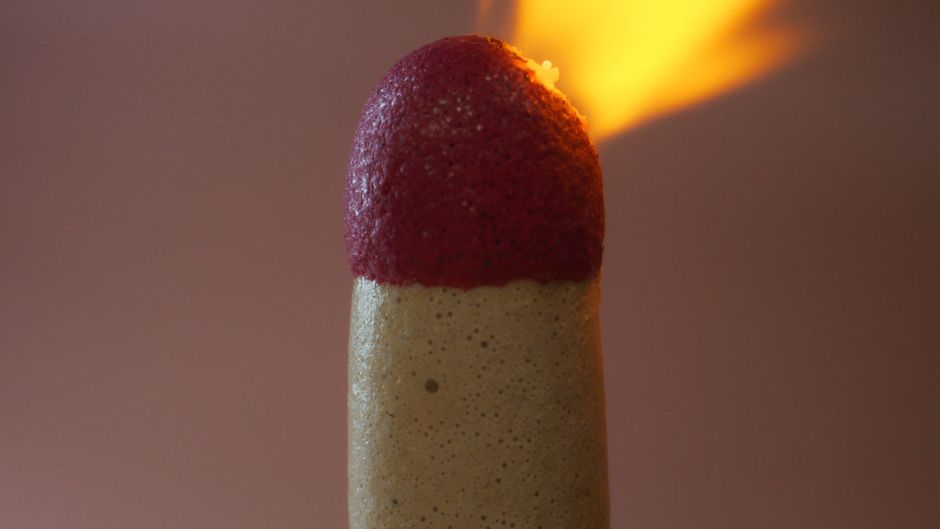
Photo by Tima Miroshnichenko on Pexels
When metals react with oxygen, they form metal oxides. This is often called corrosion or oxidation.
General Reaction: Metal + Oxygen → Metal Oxide
- Highly Reactive Metals (e.g., Sodium, Potassium): React vigorously even at room temperature, often catching fire.
4Na (s) + O₂ (g) → 2Na₂O (s)
- Moderately Reactive Metals (e.g., Magnesium, Aluminium, Zinc, Iron): React slowly at room temperature, forming a protective oxide layer (passivation). They burn fiercely if heated.
2Mg (s) + O₂ (g) → 2MgO (s)(burns with a dazzling white flame)4Al (s) + 3O₂ (g) → 2Al₂O₃ (s)(forms a thin, protective layer)
- Less Reactive Metals (e.g., Copper, Silver, Gold): Copper reacts only on strong heating to form black copper(II) oxide. Silver and gold do not react with oxygen even at high temperatures.
2Cu (s) + O₂ (g) → 2CuO (s)(on heating)
2.2 Reaction with Water
Photo by cottonbro studio on Pexels
Metals react with water (cold, hot, or steam) to form metal oxides or hydroxides, and hydrogen gas.
General Reactions:
* Metal + Cold Water → Metal Hydroxide + Hydrogen gas
* Metal + Hot Water → Metal Oxide + Hydrogen gas
* Metal + Steam → Metal Oxide + Hydrogen gas
- Highly Reactive Metals (e.g., Sodium, Potassium, Calcium): React vigorously with cold water, producing heat.
2Na (s) + 2H₂O (l) → 2NaOH (aq) + H₂ (g)- Calcium reacts less vigorously, and the hydrogen bubbles formed stick to its surface, making it float.
- Moderately Reactive Metals (e.g., Magnesium): Reacts with hot water to form magnesium hydroxide and hydrogen. It reacts slowly with cold water.
Mg (s) + 2H₂O (hot) → Mg(OH)₂ (aq) + H₂ (g)
- Less Reactive Metals (e.g., Aluminium, Zinc, Iron): React only with steam to form metal oxide and hydrogen gas.
2Al (s) + 3H₂O (steam) → Al₂O₃ (s) + 3H₂ (g)
- Very Less Reactive Metals (e.g., Lead, Copper, Silver, Gold): Do not react with water or steam at all.
2.3 Reaction with Acids (Dilute)
Photo by Mikhail Nilov on Pexels
Most metals react with dilute acids to produce a salt and hydrogen gas.
General Reaction: Metal + Dilute Acid → Metal Salt + Hydrogen gas
- Metals above Hydrogen in Reactivity Series (e.g., Na, K, Mg, Al, Zn, Fe): React to liberate hydrogen gas.
Mg (s) + 2HCl (aq) → MgCl₂ (aq) + H₂ (g)(very vigorous)Zn (s) + H₂SO₄ (aq) → ZnSO₄ (aq) + H₂ (g)(moderately vigorous)
- Metals below Hydrogen in Reactivity Series (e.g., Cu, Ag, Au): Do not react with dilute acids to produce hydrogen gas because they are less reactive than hydrogen.
- Note: When metals like copper react with concentrated nitric acid, they produce other gases like NO₂ instead of H₂.
2.4 Reaction with Salt Solutions

Photo by Ron Lach on Pexels
A more reactive metal displaces a less reactive metal from its salt solution. This is a displacement reaction and is key to the reactivity series.
General Reaction: Metal A + Salt solution of Metal B → Salt solution of Metal A + Metal B (if Metal A is more reactive than Metal B)
Here's a simple flow to understand displacement reactions:
graph TD
    A["Is Metal A more reactive than Metal B?"] -->|Yes| B["Metal A displaces Metal B from its salt solution"]
    A -->|No| C["No reaction takes place"]
- Example: Zinc is more reactive than copper.
Zn (s) + CuSO₄ (aq) → ZnSO₄ (aq) + Cu (s)- Here, zinc displaces copper from copper sulfate solution, forming zinc sulfate and solid copper.
- Example: Copper is less reactive than iron.
Cu (s) + FeSO₄ (aq) → No reaction
The Reactivity Series (most reactive to least reactive):
Potassium (K) > Sodium (Na) > Calcium (Ca) > Magnesium (Mg) > Aluminium (Al) > Zinc (Zn) > Iron (Fe) > Lead (Pb) > Hydrogen (H) > Copper (Cu) > Mercury (Hg) > Silver (Ag) > Gold (Au)
3. Worked Example
Let's consider what happens when we place an iron nail in a copper sulfate solution.
- Identify the metals involved: Iron (Fe) and Copper (Cu).
- Check their positions in the reactivity series: Iron is above copper in the reactivity series. This means Iron is more reactive than Copper.
- Predict the reaction type: Since iron is more reactive, it should displace copper from its salt solution.
- Write the chemical equation:
Fe (s) + CuSO₄ (aq) → FeSO₄ (aq) + Cu (s) - Observe the changes:
- The blue colour of the copper sulfate solution fades and eventually turns light green (due to the formation of iron(II) sulfate).
- A reddish-brown deposit (copper metal) forms on the surface of the iron nail.
This experiment clearly demonstrates the displacement reaction where a more reactive metal (iron) pushes out a less reactive metal (copper) from its compound.
4. Key Takeaways
- Reactivity is key: The vigor of a metal's reaction depends on its position in the reactivity series.
- Oxides are common: Metals generally react with oxygen to form metal oxides, which can be basic or amphoteric.
- Hydrogen release: More reactive metals displace hydrogen from water and dilute acids.
- Displacement rules: A more reactive metal will always displace a less reactive metal from its salt solution.
- Protective layers: Some metals, like aluminium, form a thin, unreactive oxide layer that protects them from further corrosion.
Common Mistakes to Avoid:
- Assuming all metals react with cold water; only very reactive ones do.
- Thinking copper reacts with dilute acids to produce hydrogen; it doesn't, as it's less reactive than hydrogen.
- Forgetting that a less reactive metal cannot displace a more reactive metal from its salt solution.
- Confusing the products of reaction with water (hydroxide vs. oxide, depending on water state).
5. Now Try It
Take a small piece of magnesium ribbon and a test tube containing dilute hydrochloric acid. Observe what happens when you drop the magnesium ribbon into the acid. Write down the balanced chemical equation for the reaction, list any observations, and explain why this reaction occurs based on the reactivity series. You should be able to see bubbles forming rapidly.
Frequently asked about Chemical Properties of Metals
More from metals and non metals 10th cbse
Get the full metals and non metals 10th cbse curriculum
Clone the complete plan to your dashboard for unlimited AI-generated notes, practice quizzes, and a personalised revision schedule.
Save this course free