Occurrence and Extraction of Metals
From the metals and non metals 10th cbse curriculum
TL;DR
Metals occur in nature mostly as minerals, from which we extract them through various processes. The method of extraction depends mainly on the metal's reactivity. We purify the extracted metal to get it in its most useful form.
1. The Mental Model
Imagine Earth as a giant treasure chest holding metals, but they're mixed with other stuff. Occurrence is finding that treasure. Extraction is digging it out and cleaning it up.
2. The Core Material
You know that metals are all around us, but they don't just sit there as shiny, pure elements. Most metals are reactive, so they combine with other elements to form compounds.
What are Minerals and Ores?
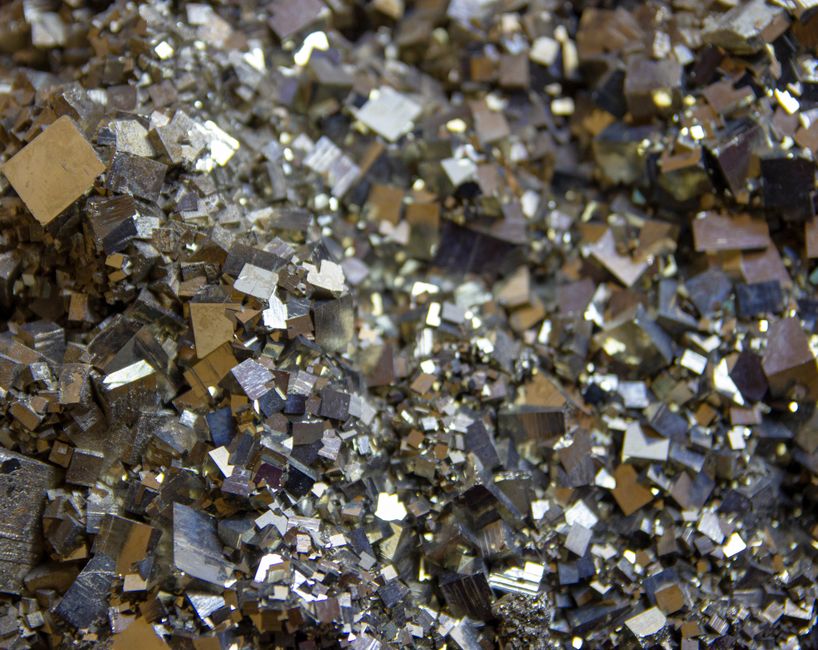
Photo by Paul Seling on Pexels
- Minerals: These are naturally occurring solid chemical substances found in the Earth's crust. They usually have a definite chemical composition. Examples include bauxite (aluminium oxide) and haematite (iron oxide).
- Ores: An ore is a mineral from which a metal can be extracted profitably and conveniently. Not all minerals are ores. For example, bauxite is an ore of aluminium, but clay, which also contains aluminium, isn't usually an ore because extracting aluminium from it is too difficult and expensive.
Steps in Metal Extraction (Metallurgy)
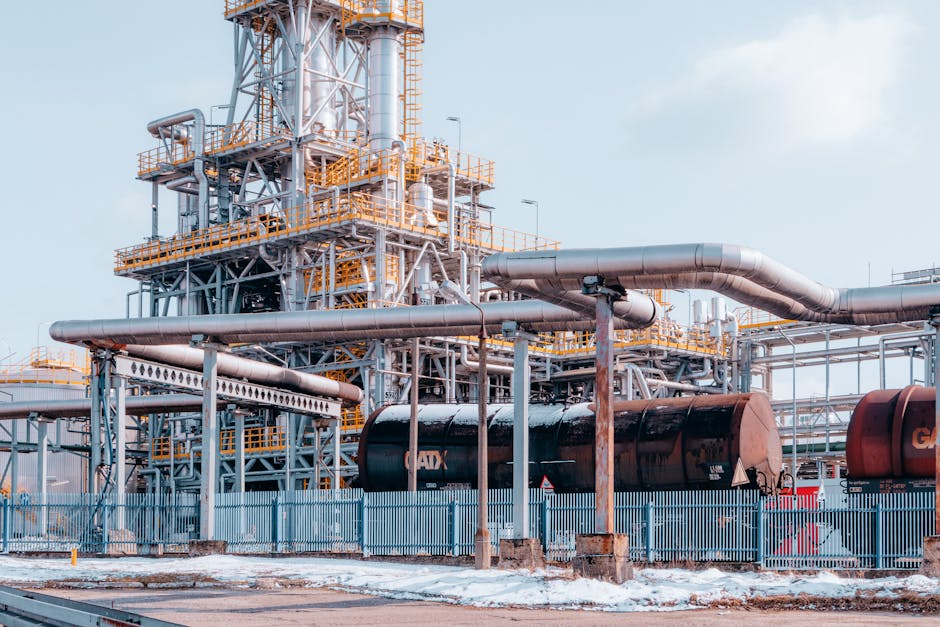
Photo by Jakub Pabis on Pexels
The process of obtaining a pure metal from its ore is called metallurgy. It generally involves these main steps:
-
Concentration of Ore (Enrichment of Ore): This first step removes unwanted impurities (like sand, rocks, and earthy matter) from the ore. These impurities are called gangue. Different methods are used depending on the physical properties of the ore and the gangue:
- Hydraulic Washing: Used when the ore particles are heavier than the gangue. It involves washing the powdered ore with water.
- Magnetic Separation: Used for magnetic ores (like iron ores) where either the ore or the gangue is magnetic.
- Froth Flotation Process: Used for sulfide ores (like zinc blende, galena). Here, the powdered ore is mixed with oil and water, and air is blown through it. The ore particles stick to the oil and rise as froth, while gangue settles.
- Chemical Leaching: Used for highly reactive metals or very fine ores. The ore is treated with a chemical solvent that dissolves the metal compound but not the gangue.
-
Conversion of Concentrated Ore into Metal: This is the core extraction part, and the method depends heavily on the metal's reactivity.
-
For highly reactive metals (like Na, K, Ca, Mg, Al): These metals are very stable in their compound forms and can't be reduced by carbon. They are extracted by electrolytic reduction of their molten chlorides or oxides. For example, sodium is obtained by the electrolysis of molten sodium chloride (NaCl).
mermaid graph TD A["Molten NaCl (Cathode: Na+; Anode: Cl-)"] --> B["Electrolysis"] B --> C["At Cathode: Na+ + e- --> Na (Metal)"] B --> D["At Anode: 2Cl- --> Cl2 + 2e- (Non-metal)"] -
For moderately reactive metals (like Zn, Fe, Pb, Cu): These metals are often found as oxides, carbonates, or sulfides.
- Roasting: Sulfide ores are heated strongly in the presence of excess air to convert them into oxides.
2ZnS (s) + 3O2 (g) --(heat)--> 2ZnO (s) + 2SO2 (g) - Calcination: Carbonate ores are heated strongly in limited or no air to convert them into oxides.
ZnCO3 (s) --(heat)--> ZnO (s) + CO2 (g) - Reduction: The metal oxides are then reduced to the metal using a reducing agent like carbon (coke).
ZnO (s) + C (s) --(heat)--> Zn (s) + CO (g)
Sometimes, a more reactive metal is used as a reducing agent (e.g., Al can reduce MnO2 or Fe2O3 in the thermite reaction).
- Roasting: Sulfide ores are heated strongly in the presence of excess air to convert them into oxides.
-
For less reactive metals (like Ag, Hg, Au): These metals are often found in their native (free) state or as easily reducible oxides/sulfides. Sulfide ores of these metals can often be converted to metals by heating in air alone.
2HgS (s) + 3O2 (g) --(heat)--> 2HgO (s) + 2SO2 (g)
2HgO (s) --(heat)--> 2Hg (l) + O2 (g)
-
-
Refining of Metals: The metal obtained after reduction is often impure and called blister metal (especially copper). Refining is the process of purifying these crude metals. The most common method is electrolytic refining:
- The impure metal is made the anode (positive electrode).
- A thin strip of pure metal is made the cathode (negative electrode).
- A salt solution of the metal acts as the electrolyte.
- When electricity is passed, the impure metal from the anode dissolves into the electrolyte, and pure metal deposits on the cathode. Impurities either settle below the anode (anode mud) or dissolve in the electrolyte.
3. Worked Example
Let's look at the extraction of Zinc (Zn) from its ore, Zinc Blende (ZnS).
-
Concentration of Ore: Zinc blende is a sulfide ore. We'd use the Froth Flotation Process to concentrate it. The finely powdered ZnS ore is mixed with water and pine oil. Air is blown in, and the ZnS particles rise with the froth, while gangue settles.
-
Conversion to Metal:
- First, the concentrated ZnS ore is roasted (heated in air) to convert it into zinc oxide (ZnO).
2ZnS (s) + 3O2 (g) --(heat)--> 2ZnO (s) + 2SO2 (g) - Next, the zinc oxide is reduced to zinc metal using carbon (coke) in a furnace.
ZnO (s) + C (s) --(heat)--> Zn (s) + CO (g)
- First, the concentrated ZnS ore is roasted (heated in air) to convert it into zinc oxide (ZnO).
-
Refining of Metal: The zinc obtained is crude. We use electrolytic refining to purify it.
- Anode: Impure zinc
- Cathode: Thin sheet of pure zinc
- Electrolyte: Zinc sulfate (ZnSO4) solution
- During electrolysis, pure zinc deposits on the cathode, and impurities either dissolve or settle as anode mud.
4. Key Takeaways
- Minerals are natural compounds, but only those from which metal can be profitably extracted are called ores.
- The reactivity of a metal dictates its extraction method; highly reactive metals need electrolytic reduction.
- Moderately reactive metals are often converted to oxides first (roasting for sulfides, calcination for carbonates), then reduced with carbon.
- Less reactive metals can sometimes be reduced just by heating their ores in air.
- Removing impurities (gangue) from the ore is called concentration, the first step in metallurgy.
- Refining removes the remaining impurities from the crude metal, with electrolytic refining being common.
Common Mistakes to Avoid:
- Confusing a mineral with an ore; remember, all ores are minerals, but not all minerals are ores.
- Applying the wrong extraction method; for example, trying to reduce sodium oxide with carbon.
- Forgetting the role of gangue; it's the unwanted material removed during concentration.
- Mixing up roasting (with air for sulfides) and calcination (without air for carbonates).
5. Now Try It
Imagine you've found an ore that is primarily iron carbonate (FeCO3). Based on what you've learned, outline the main steps you'd take to extract and purify iron from this ore. What type of reaction would you use to convert the carbonate to an oxide? What reducing agent would be suitable? What would the final purification step be?
Success looks like: Clearly listing the three main stages of extraction and specifying the particular sub-process for each stage relevant to iron carbonate and iron's reactivity.
Frequently asked about Occurrence and Extraction of Metals
More from metals and non metals 10th cbse
Get the full metals and non metals 10th cbse curriculum
Clone the complete plan to your dashboard for unlimited AI-generated notes, practice quizzes, and a personalised revision schedule.
Save this course free