Biology: Plant and Human Physiology
From the class 10 ICSE curriculum
TL;DR
Plant and human physiology explore how living organisms function, focusing on vital life processes like nutrition, transport, and regulation. You'll learn about photosynthesis and transpiration in plants, and circulation, respiration, excretion, and nervous/endocrine control in humans. Understanding these systems helps explain how life sustains itself and adapts to its environment.
1. The Mental Model
Think of plants and humans as complex, organized factories. Each "department" (organ system) has specific jobs that contribute to the overall survival and health of the whole factory, constantly interacting to maintain balance.
2. The Core Material
You'll be diving into two main branches here: Plant Physiology and Human Physiology. Both are about how living things work.
Plant Physiology: How Plants Live and Thrive
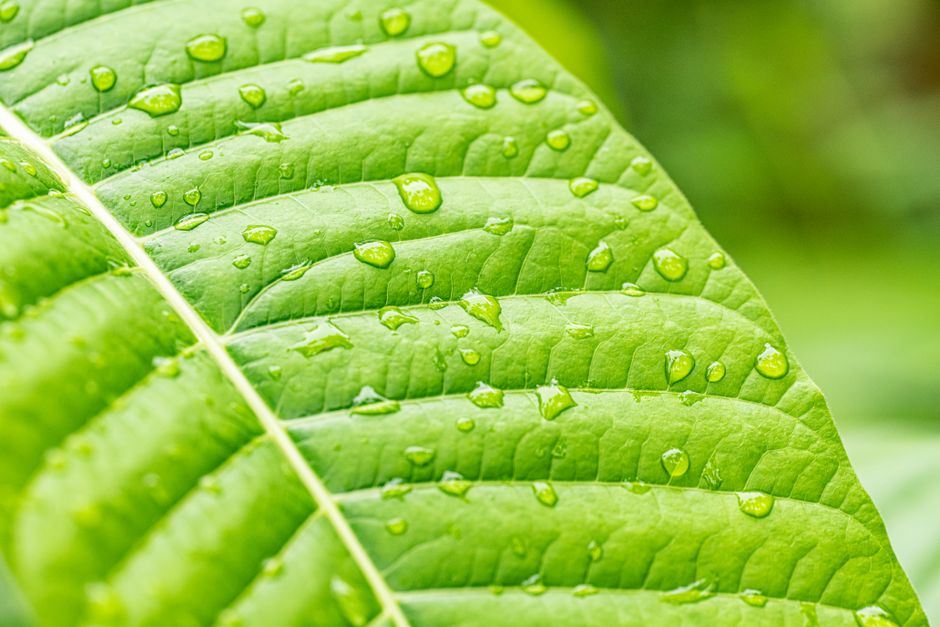
Photo by Petr Ganaj on Pexels
Plants are amazing because they make their own food! You'll primarily focus on these key processes:
1. Photosynthesis: Making Food
This is how plants convert light energy into chemical energy (food).
* What you need: Carbon dioxide (CO2), water (H2O), chlorophyll (the green pigment), and sunlight.
* Where it happens: In the chloroplasts of plant cells, mainly in leaves.
* The products: Glucose (food) and oxygen (O2) as a byproduct.
* Factors affecting it: Light intensity, CO2 concentration, temperature, and water availability.
2. Transpiration: Water Movement and Loss
Plants absorb water through roots, but they also release it.
* What it is: The loss of water vapor from the aerial parts of a plant, primarily through tiny pores called stomata on leaves.
* Why it's important:
* Creates a "pull" that helps draw water and dissolved minerals from roots up to the leaves (transpiration pull).
* Helps cool the plant.
* Factors affecting it: Humidity, temperature, wind speed, light intensity.
3. Absorption by Roots
Roots are crucial for taking in water and minerals.
* Root hair cells: Specialized cells that greatly increase the surface area for absorption.
* Osmosis: The movement of water from a region of higher water concentration to a region of lower water concentration across a partially permeable membrane (how water enters root cells).
* Active transport: The movement of mineral ions against a concentration gradient, requiring energy.
Human Physiology: The Body's Inner Workings

Photo by MART PRODUCTION on Pexels
Your body is a marvel of coordination! We'll cover several vital systems:
1. Circulatory System: Transport Highway
This system moves blood throughout your body.
* Components: Heart, blood vessels (arteries, veins, capillaries), and blood.
* Functions:
* Transports oxygen from lungs to tissues.
* Carries nutrients from the digestive system to cells.
* Removes waste products (like CO2 and urea) from cells.
* Distributes hormones and helps regulate body temperature.
* Double Circulation: Blood passes through the heart twice in one complete circuit (once to lungs, once to body).
2. Respiratory System: Breathing for Life
How you get oxygen and get rid of carbon dioxide.
* Process: Inhalation (taking in air) and exhalation (breathing out air).
* Gas exchange: Occurs in the alveoli of the lungs, where oxygen diffuses into the blood and carbon dioxide diffuses out.
* Cellular Respiration: The process inside cells that uses glucose and oxygen to produce energy (ATP), releasing CO2 and water. Don't confuse it with external breathing!
3. Excretory System: Waste Removal
Gets rid of metabolic waste products.
* Main organ: Kidneys. They filter blood, remove waste (like urea), and produce urine.
* Other excretory organs: Lungs (CO2), skin (sweat), liver (processes waste).
4. Nervous System: Control and Communication
The body's control center, coordinating everything.
* Components: Brain, spinal cord, and nerves.
* Functions: Receives sensory information, processes it, and sends out motor commands.
* Reflex actions: Rapid, involuntary responses to stimuli (e.g., pulling your hand away from a hot object).
5. Endocrine System: Chemical Messengers
Works alongside the nervous system, using hormones.
* Hormones: Chemical messengers produced by glands (e.g., thyroid, pancreas, adrenal).
* How it works: Hormones travel through the blood to target organs, regulating growth, metabolism, reproduction, and stress responses.
* Examples: Insulin (regulates blood sugar), adrenaline (fight-or-flight).
Here's a diagram showing the key steps in photosynthesis:
graph TD
    A["Sunlight Energy"] --> B["Chlorophyll (in Chloroplasts)"]
    C["Carbon Dioxide (from Air)"] --> B
    D["Water (from Roots)"] --> B
    B --> E["Glucose (Food)"]
    B --> F["Oxygen (Released to Air)"]
6. The Urinary System: Filtration and Excretion

Photo by Peter Dyllong on Pexels
This is a critical part of the excretory system, focusing on kidneys.
* Kidneys: Two bean-shaped organs that filter blood.
* Nephrons: The microscopic filtering units within the kidneys. Each nephron has a glomerulus (where filtration happens) and a renal tubule (where reabsorption and secretion occur).
* Urine Formation:
1. Ultrafiltration: Blood is filtered in the glomerulus, pushing water, salts, glucose, amino acids, and urea into the Bowman's capsule. Large proteins and blood cells are retained.
2. Selective Reabsorption: Useful substances like all glucose, most water, and some salts are reabsorbed back into the blood from the renal tubule.
3. Tubular Secretion: Additional waste products and excess ions are secreted from the blood into the filtrate in the tubule.
* Result: Urine, which then travels through ureters to the bladder and is expelled via the urethra.
3. Worked Example
Let's trace the journey of water in a plant and then its impact on human breathing.
Scenario: Imagine a sunny, slightly breezy day.
- Plant: Water is absorbed by the root hair cells from the soil via osmosis. This water then moves through the root cortex and into the xylem vessels.
- Upward Movement: The water travels up the stem in the xylem. The sunlight and breeze increase the rate of transpiration from the leaves, as water evaporates from the leaf surface and exits through the stomata. This creates a strong transpiration pull, like a drinking straw, drawing more water up the xylem from the roots. This movement also carries dissolved minerals.
- Human: As the plant releases oxygen (a product of photosynthesis) into the atmosphere, you inhale it. This oxygen travels down your trachea, into your bronchi, then bronchioles, and finally reaches the alveoli in your lungs.
- Gas Exchange: In the alveoli, oxygen diffuses across the thin alveolar and capillary walls into your blood. Simultaneously, carbon dioxide (a waste product from your cellular respiration) diffuses from your blood into the alveoli to be exhaled.
- Circulation: The oxygen-rich blood is then pumped by your heart through arteries to all your body cells. There, the oxygen is used in cellular respiration to break down glucose and release energy. The carbon dioxide produced then travels back to the lungs via veins.
This example shows how plant processes directly support human life, highlighting the interconnectedness of biological systems.
4. Key Takeaways
- Photosynthesis uses sunlight to create food (glucose) and releases oxygen.
- Transpiration is the loss of water vapor from leaves, driving water uptake in plants.
- The human circulatory system transports vital substances like oxygen, nutrients, and waste.
- The respiratory system facilitates gas exchange (oxygen in, carbon dioxide out) in the lungs.
- Kidneys are the primary organs for filtering blood and forming urine to remove waste.
- The nervous and endocrine systems coordinate and regulate all body functions.
- All physiological processes in both plants and humans aim to maintain internal balance (homeostasis).
Common Mistakes to Avoid:
- Confusing photosynthesis (food making) with cellular respiration (energy releasing).
- Mixing up stomata (plant pores) with alveoli (human air sacs).
- Thinking transpiration is just water loss; remember its role in water transport.
- Forgetting that the circulatory system distributes hormones and helps with temperature regulation, not just oxygen and nutrients.
5. Now Try It
Spend 15 minutes creating a flowchart (even a rough sketch) that shows the path of a single glucose molecule from the moment it's produced in a plant leaf during photosynthesis, to being consumed by a human cell for energy. Think about how it might travel between the plant and the human, and then within the human. Your success will look like a clear sequence showing absorption, transport, consumption, and the waste products generated.
Frequently asked about Biology: Plant and Human Physiology
Study this next
Get the full class 10 ICSE curriculum
Clone the complete plan to your dashboard for unlimited AI-generated notes, practice quizzes, and a personalised revision schedule.
Save this course free