The Australian Labour Force
From the commerce 2.0 curriculum
TL;DR
The Australian labour force includes all people aged 15 and over who are either employed or actively looking for work. Key indicators like the participation rate, unemployment rate, and employment-to-population ratio help us understand its health. These indicators are crucial for economic policy decisions and reflect the overall state of the Australian economy.
1. The Mental Model
Think of the Australian labour force as the pool of people available and willing to work in Australia. It's a dynamic group that expands and contracts, influencing and being influenced by the economy's performance.
2. The Core Material
The Australian labour force is defined as all people aged 15 years and over who are employed or unemployed. It doesn't include people who are aged 15 or over but aren't working and aren't actively looking for work (like retirees, full-time students not seeking work, or stay-at-home parents not seeking work).
Let's break down the key components and how they're measured:
Population Components

Photo by Rahul Varge on Pexels
- Working-Age Population: This is everyone aged 15 years and over. It's the broadest group from which the labour force is drawn.
- Labour Force: As mentioned, this includes all employed and unemployed people.
- Employed: A person is considered employed if they worked for at least one hour in the reference week for pay, profit, commission, or payment in kind, or if they worked without pay in a family business. It also includes people who had a job but were temporarily away from work (e.g., on leave).
- Unemployed: A person is unemployed if they are aged 15 years and over, not employed, and have actively looked for work in the last four weeks and are available to start work.
- Not in the Labour Force: These are people aged 15 and over who are neither employed nor unemployed. They aren't working and aren't actively looking for work.
Key Labour Force Indicators
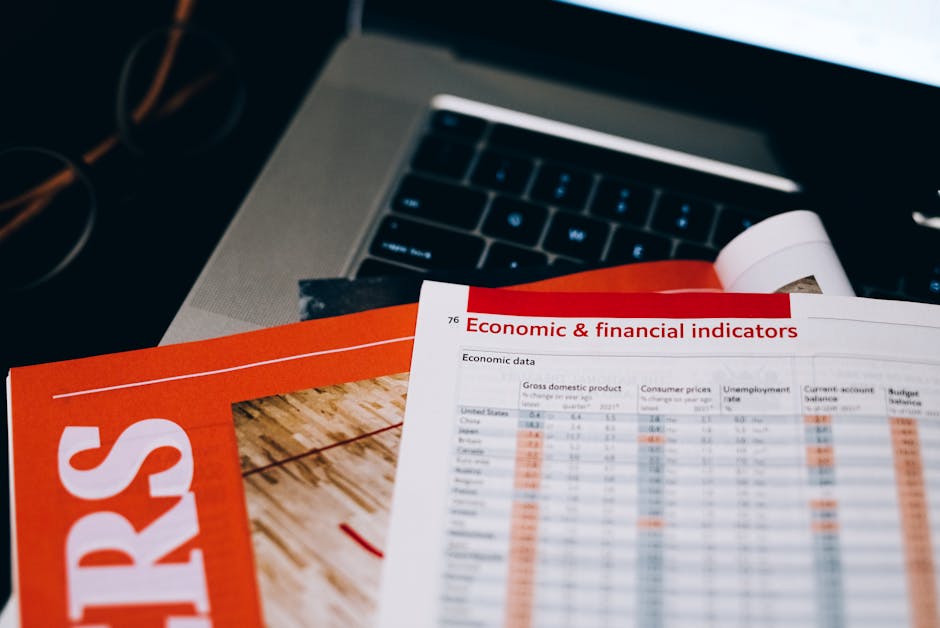
Photo by Leeloo The First on Pexels
We use several key statistics to understand the state of the labour market:
-
Labour Force Participation Rate: This measures the proportion of the working-age population that is in the labour force.
- Formula: (Labour Force / Working-Age Population) * 100%
- A higher participation rate generally indicates more people are willing and able to work, often seen as a positive sign for economic growth.
-
Unemployment Rate: This measures the proportion of the labour force that is unemployed.
- Formula: (Unemployed / Labour Force) * 100%
- A lower unemployment rate is generally desirable, as it means more people who want to work can find jobs.
-
Employment-to-Population Ratio: This measures the proportion of the working-age population that is employed.
- Formula: (Employed / Working-Age Population) * 100%
- This ratio can be useful because it's not affected by changes in the participation rate in the same way the unemployment rate is.
-
Underemployment Rate: This measures people who are employed but want to work more hours than they currently do. It's an important measure of the quality of employment.
- Formula: (Underemployed Workers / Labour Force) * 100%
Here’s a simplified breakdown of the working-age population structure:
graph TD
    A["Working-Age Population (15+ years)"] --> B["Labour Force"]
    A --> C["Not in Labour Force"]
    B --> D["Employed"]
    B --> E["Unemployed"]
    D --> F["Full-time Employed"]
    D --> G["Part-time Employed"]
    G --> H["Underemployed (part-time wanting more hours)"]
The Australian Bureau of Statistics (ABS) collects and publishes these figures monthly through its Labour Force Survey, making it a critical source for economists, policymakers, and businesses. These statistics provide vital insights into the health of the economy, inflation pressures, and consumer confidence.
3. Worked Example
Let's imagine a hypothetical Australian town, "Econoville," with the following population data for people aged 15 and over:
- Total Population (15+): 100,000
- Employed: 60,000
- Unemployed: 4,000
- Not in Labour Force: 36,000
Let's calculate the key labour force indicators for Econoville:
-
Labour Force:
- Employed + Unemployed = 60,000 + 4,000 = 64,000
-
Labour Force Participation Rate:
- (Labour Force / Total Population 15+) * 100%
- (64,000 / 100,000) * 100% = 64%
- This means 64% of Econoville's working-age population is either working or actively looking for work.
-
Unemployment Rate:
- (Unemployed / Labour Force) * 100%
- (4,000 / 64,000) * 100% = 6.25%
- This means 6.25% of those who are willing and able to work in Econoville can't find a job.
-
Employment-to-Population Ratio:
- (Employed / Total Population 15+) * 100%
- (60,000 / 100,000) * 100% = 60%
- This tells us 60% of the entire working-age population holds a job.
These numbers give us a snapshot of Econoville's labour market health. A 6.25% unemployment rate might suggest there's some slack in the labour market, while a 64% participation rate is relatively strong.
4. Key Takeaways
- The Australian labour force comprises all people 15 years and over who are employed or actively looking for work.
- Key indicators are the participation rate, unemployment rate, and employment-to-population ratio.
- These indicators are vital for understanding the economic health and policy decisions in Australia.
- The ABS Labour Force Survey is the primary source of official labour force data.
- "Not in the labour force" includes people like retirees or full-time students who aren't seeking work.
Common Mistakes to Avoid:
* Confusing "unemployed" with "not in the labour force": Unemployed people are actively seeking work; those not in the labour force are not.
* Thinking a low unemployment rate automatically means a healthy labour market: A low rate can mask issues like low participation or high underemployment.
* Mixing up the denominator for different ratios: The unemployment rate uses the labour force as its denominator, while the participation and employment-to-population ratios use the working-age population.
* Forgetting the age threshold: The labour force definition specifically refers to people aged 15 years and over.
5. Now Try It
Take the current official Australian labour force data from the ABS website (specifically, the latest monthly Labour Force, Australia publication). Identify the latest figures for the working-age population, total labour force, employed persons, and unemployed persons. Then, calculate the current Labour Force Participation Rate, Unemployment Rate, and Employment-to-Population Ratio.
What success looks like: You'll have three calculated percentages that accurately reflect the current state of Australia's labour market, matching (or being very close to) the official ABS published rates. This exercise will solidify your understanding of how these crucial economic indicators are derived from raw data.
Frequently asked about The Australian Labour Force
More from commerce 2.0
Get the full commerce 2.0 curriculum
Clone the complete plan to your dashboard for unlimited AI-generated notes, practice quizzes, and a personalised revision schedule.
Save this course free