Voluntary Work and Community Contribution
From the commerce 2.0 curriculum
TL;DR
Voluntary work means giving your time and skills without pay to benefit others and your community. It strengthens social ties, helps solve local problems, and offers personal growth and skill development. Businesses often support it for corporate social responsibility, which can also boost their reputation and employee engagement.
1. The Mental Model
Think of voluntary work as a "win-win-win" situation: you win by gaining experience and satisfaction, the community wins by getting needed help, and businesses (if involved) win by improving their image and employee morale. It's about collective action making a positive difference.
2. The Core Material
Voluntary work, often called volunteering, involves individuals or groups freely offering their time and expertise for the benefit of their community or a specific cause, without expecting financial compensation. It's a cornerstone of civil society, complementing the roles of government and the private sector.
Types of Voluntary Work

Photo by RDNE Stock project on Pexels
Volunteering isn't just one thing; it takes many forms:
* Direct Service: Directly helping people (e.g., serving food at a homeless shelter, mentoring youth, visiting elderly individuals).
* Community Improvement: Working on projects that enhance the local environment (e.g., park clean-ups, building community gardens, restoring natural habitats).
* Advocacy and Activism: Supporting causes through awareness campaigns, lobbying, or organizing events to bring about social or environmental change.
* Skills-Based Volunteering (Pro Bono): Using professional skills (e.g., accounting, marketing, legal advice, IT support) to help non-profits or community groups.
* Emergency Response: Assisting during natural disasters or crises (e.g., distributing aid, search and rescue).
Benefits of Voluntary Work
Photo by RDNE Stock project on Pexels
Volunteering offers a wide array of benefits, both for the volunteer and the wider community:
For Individuals (Volunteers):
* Skill Development: Gaining new skills or honing existing ones (e.g., leadership, teamwork, communication, project management).
* Networking: Meeting new people and expanding professional or social networks.
* Personal Satisfaction: Experiencing a sense of purpose, fulfillment, and increased well-being.
* Career Advancement: Enhancing résumés, providing practical experience, and demonstrating commitment to social responsibility.
* Improved Mental Health: Reducing stress, combating depression, and fostering a sense of connection.
For Communities:
* Addressing Needs: Filling gaps in services that government or private sectors can't fully cover (e.g., food banks, crisis support).
* Social Cohesion: Building stronger, more connected communities by fostering shared experiences and mutual support.
* Economic Impact: Supporting local economies through reduced labor costs for non-profits and enhanced community infrastructure.
* Innovation: Bringing fresh perspectives and creative solutions to community challenges.
Corporate Social Responsibility (CSR) and Volunteering
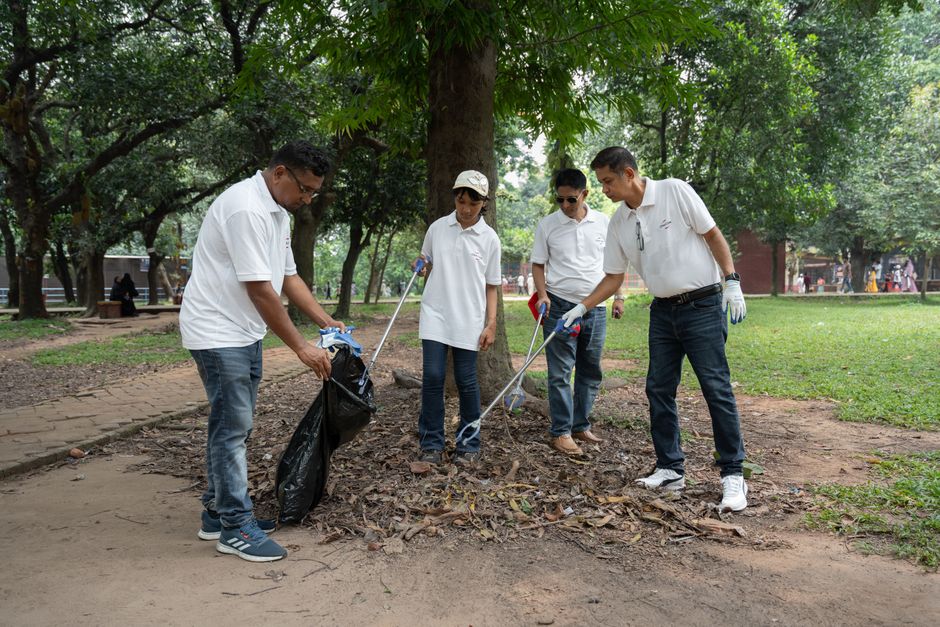
Photo by Galib Rahman Nadim on Pexels
Many businesses integrate voluntary work into their Corporate Social Responsibility (CSR) strategies. CSR is a company's commitment to operating ethically and contributing to economic development while improving the quality of life for its workforce and their families, as well as for the local community and society at large.
How businesses engage:
* Employee Volunteer Programs (EVPs): Companies encourage or organize employees to volunteer, sometimes offering paid time off for volunteering.
* Pro Bono Service: Companies offer their professional services free of charge to non-profits.
* Donations and Sponsorships: Financial or in-kind support for charitable organizations, often linked to volunteer efforts.
Benefits for Businesses:
* Enhanced Reputation: Improving public perception and brand image.
* Employee Engagement and Morale: Boosting team spirit, job satisfaction, and employee loyalty.
* Skill Development: Providing employees with opportunities to develop new skills in different environments.
* Talent Attraction and Retention: Appealing to socially conscious job seekers and retaining current employees who value purpose-driven work.
Here’s a diagram showing the cycle of benefits for corporate volunteering:
graph LR
    A["Company Initiates Employee Volunteer Program (EVP)"] --> B["Employees Volunteer & Develop Skills"];
    B --> C["Community Benefits (Needs Addressed, Services Provided)"];
    C --> D["Improved Company Reputation & Brand Image"];
    D --> E["Increased Employee Morale & Engagement"];
    E --> F["Attracts & Retains Talent"];
    F --> G["Supports Business Objectives & CSR Goals"];
    G --> A;
3. Worked Example
Imagine "TechSolutions Inc.," a software development company. As part of its CSR initiative, TechSolutions decides to launch an employee volunteer program.
- Program Launch: TechSolutions partners with a local non-profit, "YouthCode Academy," which teaches coding to underserved youth. TechSolutions commits to having its software engineers dedicate one day a month (paid leave) to mentor students at YouthCode.
- Employee Engagement: John, a senior software engineer at TechSolutions, signs up. He spends his volunteer day helping students debug their code, explaining complex programming concepts, and sharing his career journey. Sarah, a marketing specialist, volunteers to help YouthCode Academy improve their website and social media presence.
- Community Impact: YouthCode Academy benefits from professional expertise they couldn't afford. The students gain valuable mentorship, leading to improved coding skills and increased motivation.
- Company Benefits:
- Employee Morale: John and Sarah feel a stronger connection to their company and a sense of purpose beyond their daily tasks. They share positive experiences with colleagues.
- Skill Development: John practices his teaching and communication skills; Sarah hones her digital marketing for a different audience.
- Reputation: TechSolutions is featured in local news for its community involvement, enhancing its brand as a responsible corporate citizen, which helps attract future talent.
- Recruitment: TechSolutions notices an increase in applications from young professionals who explicitly mention the company's commitment to social responsibility.
4. Key Takeaways
- Voluntary work is unpaid time and effort given to benefit communities or causes.
- It provides diverse benefits, from skill development and personal satisfaction for volunteers to addressing critical needs and building stronger communities.
- Businesses often integrate volunteering into their Corporate Social Responsibility (CSR) strategies to improve reputation and employee engagement.
- There are many types of volunteering, including direct service, community improvement, advocacy, and skills-based (pro bono) contributions.
- Corporate volunteer programs can boost employee morale, foster new skills, and make a tangible difference in local communities.
Common mistakes to avoid:
- Expecting immediate recognition: Focus on the impact, not just the accolades.
- Overcommitting: Start small to avoid burnout and ensure you can deliver reliably.
- Not researching the organization: Ensure the cause aligns with your values and the organization is reputable.
- Underestimating your skills: Even seemingly basic skills can be incredibly valuable to non-profits.
5. Now Try It
Think about a local issue or cause you care about (e.g., animal welfare, environmental protection, youth education). Spend 15 minutes researching one non-profit organization in your area that addresses this cause. Identify how your personal skills (e.g., social media, organization, basic coding, language skills, general helpfulness) could potentially be useful to them. Success looks like having a specific organization in mind and at least two distinct ways you could volunteer your time or skills.
Frequently asked about Voluntary Work and Community Contribution
More from commerce 2.0
Get the full commerce 2.0 curriculum
Clone the complete plan to your dashboard for unlimited AI-generated notes, practice quizzes, and a personalised revision schedule.
Save this course free