Reform Movements in the Arab World and Ottoman Empire
From the reform movement and muslim revivelist curriculum
TL;DR
The 19th and early 20th centuries saw significant reform movements across the Arab world and Ottoman Empire, driven by internal decline and external Western pressures. These reforms, often called Tanzimat in the Ottoman context, aimed to modernize state institutions, education, and legal systems. While some reforms strengthened the state, they also sparked nationalist sentiments and resistance to foreign influence.
1. The Mental Model
Imagine a large, old house (the Ottoman Empire and Arab lands) that's seen better days, now facing pressure from modern, well-built houses (Western powers) moving into the neighborhood. The owners try to renovate and modernize to compete and survive, but these changes also stir up new ideas and conflicts within the house itself.
2. The Core Material
Reform movements in the Arab world and the Ottoman Empire were primarily responses to two major forces: the internal decay of traditional structures and the increasing military, economic, and political power of European nations. These reforms weren't uniform and varied in their scope and success, but they shared common themes like modernization, centralization, and the adoption of Western ideas.
The Ottoman Tanzimat Reforms (1839-1876)
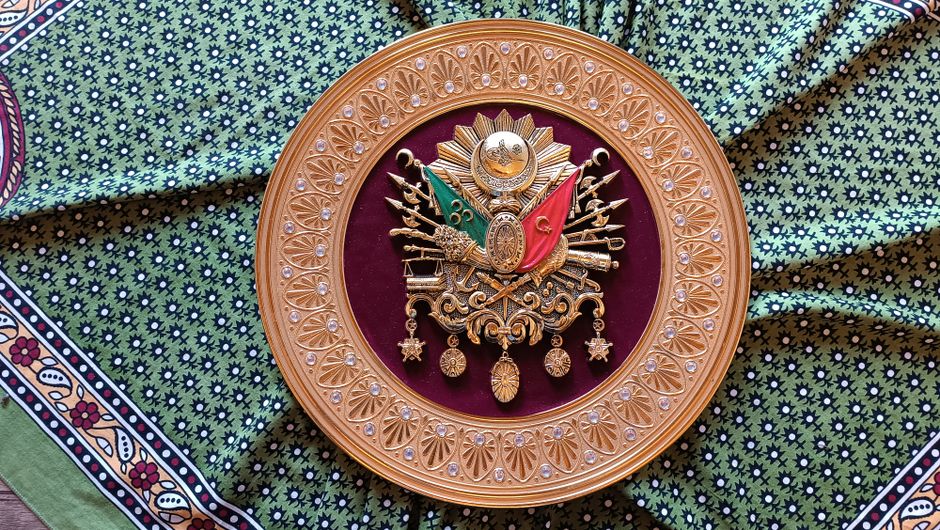
Photo by Çiğdem İŞERİ on Pexels
The term "Tanzimat" (meaning "reorganization") refers to a period of intense reform within the Ottoman Empire. These reforms aimed to centralize power, modernize the military, and streamline administration to prevent further decline and fend off European encroachment. Key aspects included:
- Military Reform: The destruction of the Janissary corps in 1826 (the "Auspicious Incident") paved the way for a modern, European-style army trained by foreign advisors.
- Legal Reform: New commercial and criminal codes were introduced, often based on French models, creating a more standardized legal system that slowly eroded the authority of religious courts. The Mecelle, a codification of Islamic civil law, was also a significant legal effort.
- Educational Reform: New secular schools (primary, secondary, and even universities) were established to train a modern bureaucracy and military officers, separate from traditional religious schools.
- Administrative Reform: Provinces were reorganized, and new ministries were created, centralizing authority in Istanbul.
- Citizenship and Equality: The Hatt-i Sharif of Gülhane (1839) and the Hatt-i Hümayun (1856) promised equality before the law for all subjects, regardless of religion, aiming to create a common Ottoman identity. This was controversial, especially among conservative Muslims, but it was also a response to European demands for better treatment of Christian minorities.
Reforms in the Arab Provinces

Photo by Musaddek Sayek on Pexels
While part of the Ottoman Empire, certain Arab regions also undertook their own reform efforts, sometimes independently, sometimes in conjunction with Ottoman initiatives.
- Egypt under Muhammad Ali (early 19th century): Often seen as a precursor to the Tanzimat, Muhammad Ali, an Ottoman Albanian officer, established a virtually independent Egypt. He implemented radical reforms:
- Military: Conscription of local Egyptians, creation of a modern navy, and training by European officers.
- Economic: State monopolies over key agricultural products (especially cotton), development of irrigation, and establishment of modern industries.
- Education: Sending students to Europe for technical training and establishing secular schools.
- Tunisia and the Aman al-Aman (Fundamental Pact): Under Bey Ahmad I and Khayr al-Din Pasha, Tunisia adopted reforms inspired by both Ottoman Tanzimat and European models, including a constitution (Dustur) and efforts to modernize the army and administration. The Aman al-Aman (1857) granted rights to all subjects, including non-Muslims.
Emergence of Islamist Revivalism

Photo by Helena Jankovičová Kováčová on Pexels
Alongside state-led reforms, there were also significant Islamist revivalist movements. These movements often critiqued both the perceived decline within Muslim societies and the encroachment of Western ideas. They sought to revitalize Islam by returning to what they considered its pristine origins, often advocating for social and moral reform, and sometimes for political action against foreign dominance or corrupt local rulers.
- Wahhabism (18th century, Saudi Arabia): While predating the main reform era, Wahhabism, founded by Muhammad ibn Abd al-Wahhab, was a puritanical movement advocating a strict monotheism and rejection of innovations (bid'ah) in Islam. It had a profound and lasting impact, forming the ideological basis for the first Saudi state.
- Salafism (19th-early 20th century): Figures like Jamal al-Din al-Afghani and Muhammad Abduh promoted a form of Islamic modernism, often called Salafism (though different from later, more radical interpretations). They argued that Islam was compatible with modernity and scientific progress, and that Muslims needed to return to the rational and dynamic spirit of the early "pious ancestors" (salaf) to regain strength and resist Western dominance. They emphasized ijtihad (independent reasoning) to interpret Islamic texts for contemporary challenges.
Here's a diagram illustrating the interplay of these forces:
graph TD
    A["Internal Decline (Ottoman Weakness, Corruption)"] --> B{"Pressure for Change"};
    C["European Imperialism & Modernity (Military, Economic)"] --> B;

    B --> D{"Reform Movements"};

    D --> D1["State-Led Reforms (Tanzimat, Muhammad Ali)"];
    D1 --> D1a["Modernized Military"];
    D1 --> D1b["Centralized Administration"];
    D1 --> D1c["Secular Education & Legal Codes"];

    D --> D2["Islamist Revivalist Movements"];
    D2 --> D2a["Wahhabism (Purity, Strict Monotheism)"];
    D2 --> D2b["Salafism (Islamic Modernism, Ijtihad)"];

    D1a --> E["Strengthened State Capacity"];
    D1c --> F["Emergence of New Elites & Ideas"];
    D2b --> G["Call for Islamic Rejuvenation"];

    E --> H["Mixed Outcomes (Resistance, Nationalism)"];
    F --> H;
    G --> H;
Outcomes and Legacies

Photo by Markus Winkler on Pexels
The reforms had mixed results. They did modernize some aspects of governance and infrastructure, but they often came with significant costs: increased foreign debt (leading to greater European control), social dislocation, and the rise of new tensions. The emphasis on secularism and centralized power often alienated traditional religious authorities and conservative populations. Ironically, the very reforms intended to strengthen the Empire and resist foreign influence also contributed to the rise of nationalist movements among Arabs, Turks, and other groups, eventually leading to the collapse of the Ottoman Empire after World War I.
3. Worked Example
Consider the legal reforms during the Tanzimat. Before, the Ottoman Empire operated under a system where different religious communities (millets) had their own religious courts and laws in personal matters, and Sharia law primarily governed other areas. The Tanzimat introduced new secular commercial codes (1850), penal codes (1858), and a system of secular courts alongside the existing religious ones. For example, a dispute between two merchants over a contract, which might previously have been handled by a religious court or informal community mediation, could now be brought before a new commercial court applying a French-inspired commercial code. This shift aimed to create legal uniformity, protect foreign investors, and project an image of a modern, law-abiding state, but it also created a complex, often overlapping, legal system and reduced the traditional authority of the Ulama (religious scholars).
4. Key Takeaways
- Reform movements in the Arab world and Ottoman Empire were primarily driven by internal decay and external Western pressure.
- The Ottoman Tanzimat reforms aimed at centralizing power, modernizing the military, and streamlining administration, adopting many Western models.
- Muhammad Ali's Egypt implemented radical reforms in military, economy, and education, establishing a strong, virtually independent state.
- Islamist revivalist movements, like Wahhabism and Salafism, sought to revitalize Islam as a response to both internal issues and Western influence.
- Salafists like al-Afghani and Abduh advocated for ijtihad to reconcile Islam with modernity and resist Western dominance.
- Reforms often led to increased foreign debt, social tensions, and inadvertently fueled the rise of nationalist movements.
- The adoption of secular legal and educational systems often clashed with traditional religious institutions.
5. Now Try It
Imagine you are an Ottoman official in the mid-19th century, tasked with drafting a proposal to reform the education system. Based on what you've learned, write a short, one-paragraph proposal (around 5-7 sentences) outlining why new schools are needed, what kind of curriculum they should offer, and what challenges you anticipate in implementing these changes. Your success will be measured by how well your proposal incorporates at least two specific aspects of the Tanzimat educational reforms and acknowledges at least one potential challenge.
Frequently asked about Reform Movements in the Arab World and Ottoman Empire
Study this next
Get the full reform movement and muslim revivelist curriculum
Clone the complete plan to your dashboard for unlimited AI-generated notes, practice quizzes, and a personalised revision schedule.
Save this course free