Legacy and Contemporary Relevance of Reform and Revivalism
From the reform movement and muslim revivelist curriculum
TL;DR
Reform and revival movements in Islamic history aimed to revitalize Islamic practice and thought, responding to internal decay and external pressures. Their legacy is seen in modern Islamic movements, diverse interpretations of Islam, and ongoing debates about identity and modernity. Today, these historical approaches offer frameworks for understanding contemporary challenges and guiding future directions for Muslim societies.
1. The Mental Model
Think of reform and revivalism as ongoing conversations within Muslim communities about "how we should be." They're like different renovation projects: some aim to restore an old building to its original glory, while others try to adapt it for modern use, but all want to improve it.
2. The Core Material
Reform (Islah) and revival (Tajdid) are two interconnected, but distinct, concepts in Islamic intellectual history. Both seek to improve the condition of Muslim societies and individuals, but they often approach this goal from different angles.
Islah (Reform)

Photo by PNW Production on Pexels
Islah generally refers to efforts to improve or correct existing practices, institutions, or interpretations within Islamic societies. It often involves a critical examination of traditions, identifying elements that have deviated from core Islamic principles, or those that hinder progress. Reformers might advocate for legal reforms, educational restructuring, or a re-evaluation of specific religious interpretations. Their focus is often on adaptation and progress, sometimes incorporating new ideas while staying true to foundational Islamic teachings.
Tajdid (Revival)
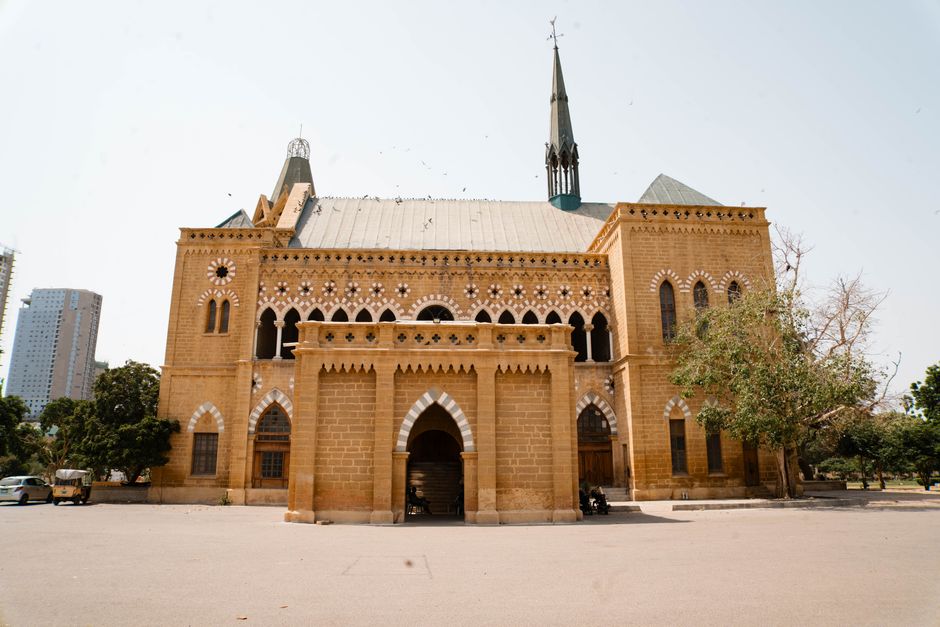
Photo by Ali Madad on Pexels
Tajdid typically emphasizes a return to the pristine, foundational principles of Islam, often associated with the era of the Prophet Muhammad and the early Muslim community. Revivalists believe that over time, deviations, innovations (bid'ah), and foreign influences have corrupted Islamic practice and thought. Their call is to purify Islam, removing these accretions and re-establishing what they see as authentic Islamic life. This often involves a strong emphasis on the Quran and Sunnah, and a rejection of later jurisprudential or theological developments that are seen as secondary or even harmful.
Key Drivers for Reform and Revivalism

Photo by Negative Space on Pexels
These movements typically emerge in response to a combination of factors:
- Internal Decay: Perceived moral decline, political weakness, or intellectual stagnation within Muslim societies.
- External Challenges: Colonialism, Western political dominance, cultural influence, or military threats.
- Theological Deviations: Belief that certain religious practices or interpretations have strayed from orthodox Islam.
Evolution and Diversity

Photo by cassius cardoso on Pexels
It's crucial to understand that neither reform nor revivalism is a monolithic movement. They encompass a wide spectrum of thought, ranging from highly conservative to quite modernist interpretations.
- Conservative Revivalism: Often seeks a strict adherence to traditional interpretations of Islamic law and social norms, rejecting modern influences. Examples include the Wahhabi movement in the Arabian Peninsula.
- Modernist Reformism: Seeks to reconcile Islamic teachings with modern scientific advancements, political systems, and social values. Figures like Muhammad Abduh in Egypt are good examples.
- Activist Revivalism: Emphasizes political action and social change to implement Islamic principles, often seen in various Islamist movements.
Legacy and Contemporary Relevance
The legacy of these movements is profound and directly impacts the contemporary Muslim world.
- Formation of Modern States: Ideas of reform influenced nation-building processes and the development of legal systems in many Muslim-majority countries.
- Political Ideologies: Many modern Islamist political parties and movements draw directly from the intellectual heritage of revivalist thinkers.
- Educational Systems: Debates initiated by reformers about the integration of religious and secular knowledge continue to shape educational policies.
- Islamic Jurisprudence: The call for ijtihad (independent reasoning in Islamic law) championed by reformers continues to influence legal scholars.
- Identity and Modernity: These movements shaped ongoing discussions about how Muslims can maintain their identity while engaging with globalization and modern challenges.
Here's a simplified view of how these concepts relate:
graph TD
    A["Internal/External Challenges"] --> B["Perceived Crisis in Muslim Societies"]
    B --> C["Call for Islah (Reform)"]
    B --> D["Call for Tajdid (Revival)"]
    C --> E["Emphasis on Adaptation, Reinterpretation, Progress"]
    D --> F["Emphasis on Purification, Return to Origins, Tradition"]
    E --> G["Modernist Reformers (e.g., Abduh)"]
    F --> H["Conservative Revivalists (e.g., Wahhab)"]
    G --> I["New Educational Models, Legal Reforms, Engagement with Modernity"]
    H --> J["Strict Adherence to Sharia, Rejection of 'Innovations', Political Activism"]
    I & J --> K["Contemporary Islamic Movements & Debates"]
3. Worked Example
Let's consider the Salafi movement as a contemporary manifestation with roots in revivalism. Originating from the ideas of figures like Ibn Taymiyyah and later articulated by reformers like Muhammad Abduh (though evolving significantly since), and more conservatively by Muhammad ibn Abd al-Wahhab, Salafism generally advocates for a return to the practices of the salaf al-salih (pious predecessors – the first three generations of Muslims).
What they do: They often reject later interpretations of Islamic law and theology, emphasizing direct engagement with the Quran and Sunnah. In practice, this can manifest as:
* Educational initiatives: Promoting specific interpretations of religious texts.
* Social reform: Advocating for certain dress codes, gender roles, or public behaviors based on their understanding of early Islamic norms.
* Political action (for some branches): Seeking to establish governance based on their understanding of Sharia, sometimes through peaceful means, sometimes through more radical methods.
Their legacy is seen in the widespread influence of Salafi thought in various parts of the Muslim world, impacting everything from mosque sermons to political discourse and social movements, highlighting how a revivalist impulse can shape contemporary religious and political landscapes.
4. Key Takeaways
- Reform (Islah) aims to improve and adapt existing practices, often integrating new ideas.
- Revival (Tajdid) emphasizes a return to the foundational principles of early Islam, purifying it from perceived deviations.
- Both movements are responses to internal decay and external challenges faced by Muslim societies.
- Their legacy is diverse, influencing modern Islamic political movements, educational systems, and legal thought.
- Contemporary debates about Islamic identity and modernity are deeply shaped by these historical reform and revival efforts.
- Understanding these movements helps explain the varied interpretations and expressions of Islam today.
Common Mistakes to Avoid
- Don't assume all reform or revival movements are inherently progressive or conservative; they span a wide spectrum.
- Avoid seeing reform and revival as mutually exclusive; they often overlap and influence each other.
- Don't generalize about "the" Islamic reform movement; there have been many, each with specific contexts and goals.
- Don't ignore the political dimensions; these movements often have significant implications for governance and societal structure.
5. Now Try It
Take 15 minutes to research a specific contemporary Islamic movement (e.g., the Muslim Brotherhood, Tablighi Jamaat, or a specific feminist Islamic movement). Identify whether it leans more towards Islah (reform) or Tajdid (revival), or perhaps incorporates elements of both. Think about what specific historical challenges it responded to and what elements of its approach reflect the legacy of earlier reform or revivalist thinkers. What does "success" look like for this movement, and how does that goal reflect its reformist or revivalist leanings?
Frequently asked about Legacy and Contemporary Relevance of Reform and Revivalism
Study this next
Get the full reform movement and muslim revivelist curriculum
Clone the complete plan to your dashboard for unlimited AI-generated notes, practice quizzes, and a personalised revision schedule.
Save this course free