Transport Systems in Tourism
From the Tourism ieb curriculum
TL;DR
Transport systems are the backbone of tourism, enabling movement of tourists to and within destinations. They encompass various modes like air, road, rail, and water, each with distinct characteristics and impacts. Understanding these systems is crucial for planning, managing, and developing sustainable tourism experiences.
1. The Mental Model
Think of transport systems as the arteries and veins of the tourism body. Without them, the heart (tourist desire) can't send blood (tourists) to the limbs (destinations), making the whole system ineffective.
2. The Core Material
Transport systems are fundamental to tourism as they connect origin points to destinations and allow tourists to move around once they arrive. These systems include infrastructure (airports, roads, ports, train stations), vehicles (planes, buses, trains, ships), and the operational services (airlines, taxi companies, tour operators).
We can categorise transport by mode:
Air Transport

Photo by Franco Monsalvo on Pexels
Air transport is vital for international and long-haul domestic tourism, offering speed and convenience. It allows access to remote destinations, but can be expensive and has a significant environmental footprint. Key components include airlines, airports, air traffic control, and related ground services.
Road Transport
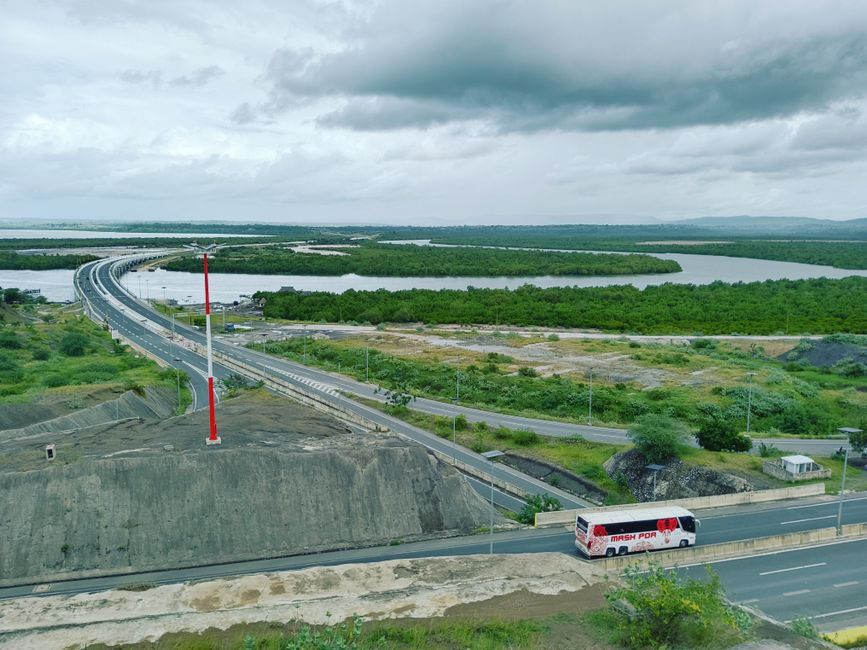
Photo by Denis Tirop on Pexels
Road transport is the most flexible and widely used mode, especially for domestic and regional tourism. It includes private cars, coaches, buses, taxis, and rental vehicles. Its advantages are door-to-door service and the ability to explore at one's own pace. However, it can contribute to traffic congestion and pollution, especially in popular areas.
Rail Transport

Photo by Wolfgang Vrede on Pexels
Rail transport offers a scenic and often comfortable option, particularly for inter-city travel and sometimes for cross-country journeys. High-speed rail has revolutionised travel in many regions, making distances more manageable. It's generally more environmentally friendly than air or road for medium distances and often provides good capacity.
Water Transport
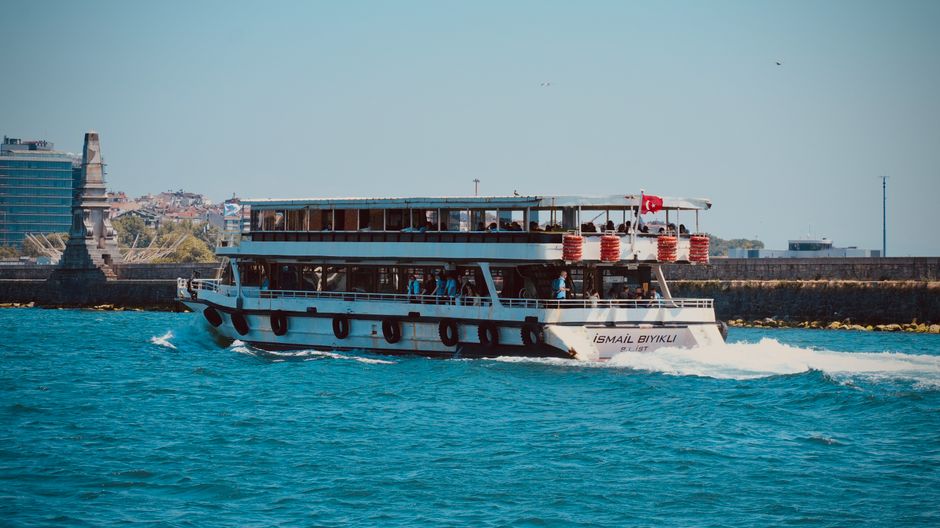
Photo by Beyza Emişen on Pexels
Water transport includes ferries, cruise ships, riverboats, and private yachts. Cruises are a major segment of tourism, acting as both transport and destination. Ferries are crucial for island nations or coastal regions. While often slower, water transport offers unique experiences and can be efficient for large groups or cargo.
The choice of transport mode significantly impacts a tourist's experience, the destination's accessibility, and the overall sustainability of tourism. Effective transport planning considers capacity, cost, speed, convenience, safety, and environmental impact.
graph TD
    A["Tourist Journey"] --> B["Origin"]
    B --> C1["Mode 1: Air"]
    B --> C2["Mode 2: Road"]
    B --> C3["Mode 3: Rail"]
    B --> C4["Mode 4: Water"]

    C1 --> D["Airport (Infrastructure)"]
    C2 --> E["Road Network (Infrastructure)"]
    C3 --> F["Train Station (Infrastructure)"]
    C4 --> G["Port/Harbour (Infrastructure)"]

    D --> H1["Airline (Service)"]
    E --> H2["Bus/Coach Co. (Service)"]
    F --> H3["Rail Operator (Service)"]
    G --> H4["Cruise/Ferry Co. (Service)"]

    H1 --> I["Destination Access"]
    H2 --> I
    H3 --> I
    H4 --> I

    I --> J["On-site Transport (e.g., Taxis, Rental Cars, Local Buses)"]
    J --> K["Tourism Activities/Attractions"]
3. Worked Example
Imagine you're planning a trip for an international tourist group from London, UK, to the Kruger National Park in South Africa for a safari, followed by a beach holiday in Cape Town, and then back to London.
- London to South Africa: The most practical option is air transport. They'd fly from London Heathrow (LHR) to O.R. Tambo International Airport (JNB) in Johannesburg. This involves selecting an airline, booking flights, and navigating airport procedures.
- Johannesburg to Kruger National Park: From JNB, they have a few options:
- Domestic Air: A connecting flight from JNB to a smaller regional airport near Kruger (e.g., Skukuza Airport or Nelspruit/Kruger Mpumalanga International Airport). This is the fastest.
- Road Transport: A coach or rental car for a 4-5 hour drive. This offers flexibility but takes longer.
For this group, let's say they take a domestic flight to Skukuza, then a pre-booked safari vehicle (road transport) from the airport directly into the park lodge.
- Kruger National Park to Cape Town: They'd likely fly from Skukuza or Nelspruit directly to Cape Town International Airport (CPT). This again is air transport.
- In Cape Town: For city tours, day trips to vineyards, or getting to beaches, they'd use a mix of road transport like tour buses, taxis/ride-shares, or private hired vehicles.
- Cape Town back to London: A final air transport flight from CPT back to LHR.
This example shows how different modes of transport are combined in a multi-stage tourism journey, each chosen for its suitability at a particular stage (speed for international, convenience for regional, flexibility for local).
4. Key Takeaways
- Transport systems are essential for the existence and growth of tourism, connecting origins with destinations.
- The four primary modes are air, road, rail, and water, each with unique advantages and disadvantages.
- Accessibility, cost, speed, comfort, and environmental impact are key factors when choosing transport modes.
- Tourism planning requires integrating various transport options to create seamless journeys for tourists.
- Infrastructure (airports, roads) and services (airlines, bus companies) are both critical components.
- Transport choice significantly influences a tourist's overall experience and the sustainability of a destination.
Common mistakes to avoid:
- Underestimating the time and cost associated with transfers between different transport modes.
- Neglecting the environmental impact of transport choices in tourism planning.
- Not considering the specific needs of different tourist groups (e.g., accessibility for disabled travellers).
- Overlooking the importance of local, last-mile transport once tourists arrive at a destination.
5. Now Try It
Imagine you are a tour operator creating a 7-day tour package for a group of elderly tourists wanting to explore the scenic Garden Route in South Africa, starting and ending in Cape Town. Decide which primary modes of transport you would use for the main journey along the route and for local sightseeing, explaining your choices based on factors like comfort, scenic views, and ease of access. What would success look like? You'd have a clearly outlined transport plan that minimises travel stress for the elderly group while maximising their enjoyment of the scenery.
Frequently asked about Transport Systems in Tourism
Study this next
Get the full Tourism ieb curriculum
Clone the complete plan to your dashboard for unlimited AI-generated notes, practice quizzes, and a personalised revision schedule.
Save this course free